


Why Does Someone on My Team Keep Underperforming When the Expectations Seem Clear?
Underperformance usually shows up in a person and starts in the system they are working inside.
When someone keeps falling short, the system may be telling you something about fit, clarity, or structure before it is telling you the person cannot do the job. The person is where you see it.
Underperformance patterns are the recurring ways a system produces results that look like a person problem.
A role no longer matches the work. Success criteria were never made explicit. Support disappeared when the workload grew.
When the same gap keeps returning, the cause is often structural.
This map helps you read what the system is producing so you can respond with a precise move instead of escalating, rescuing, or managing the person out too early. You'll leave with one clear next step.
If someone on your team keeps underperforming and the usual fixes haven't held, you're in the right place. This page helps you tell a fit-and-structure problem apart from a true performance gap, and read which one you're actually looking at.
I need relief now
I want to understand the pattern

Start with your map.
When underperformance keeps resurfacing, the issue is rarely just motivation. It often reflects a deeper leadership pattern: what you clarify, what you tolerate, what you assume should be obvious, and what you default to when performance starts to slip.
The Source Assessment helps you identify that pattern so you can understand why the gap keeps forming and what kind of support will help you respond more clearly.
Ten minutes. Free. Your result arrives by email.
Is this your terrain?
If two or more of these signals look familiar, you are navigating an underperformance pattern.
- Someone keeps missing the mark and you cannot tell if it is skill, fit, or effort.
- You have given the same feedback more than once and the output has not changed.
- The role has shifted over time but the expectations on paper have not.
- You are doing parts of the job yourself to keep the quality acceptable.
- Other people have struggled in this exact role before you.
- You cannot define good clearly enough to defend it.
- You keep delaying the conversation because you are unsure what to ask for.
- You are weighing whether to develop, reassign, or exit the person.
If this is your terrain, you do not need a faster performance management process. You need a clearer read on what the system is producing. Start with a framework that makes underperformance legible.
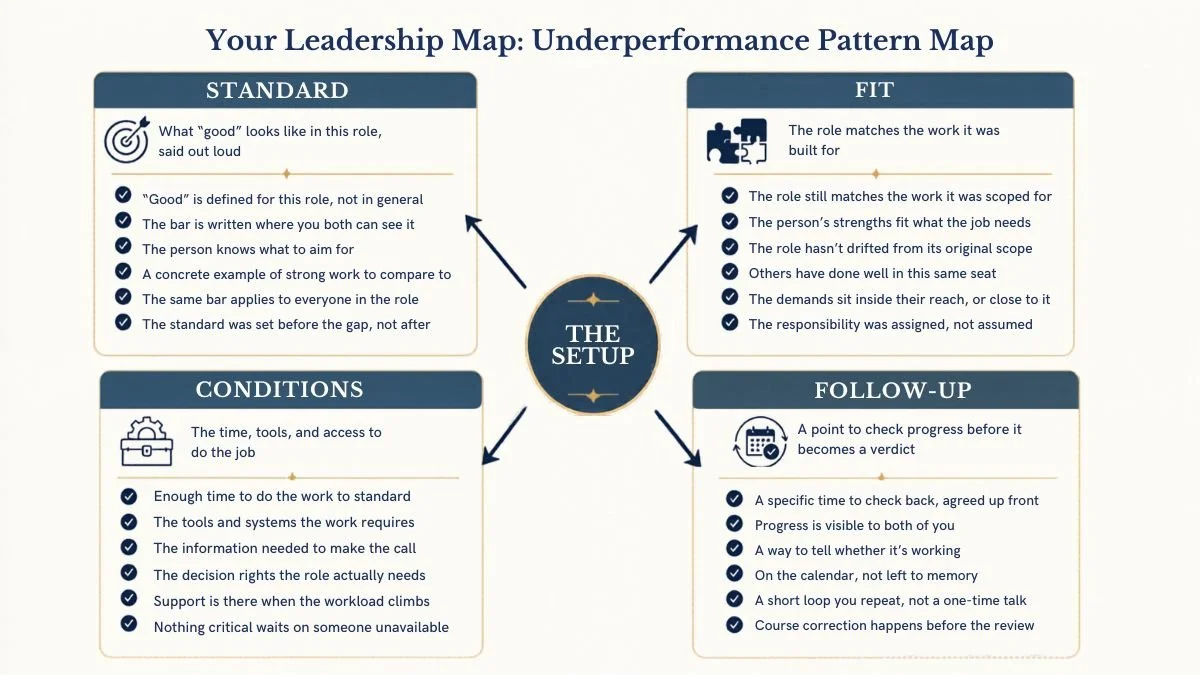
The Performance Governance Map: How performance becomes possible
When someone keeps underperforming, one of these four is usually missing from the setup.
When all four are in place, the work has what it needs to land. When one is missing, capable people fall short.
What "good" looks like in this role, said out loud.
The role matches the work it was built for.
The time, tools, and access to do the job.
A point to check progress before it becomes a verdict.
Most underperformance that repeats is missing one of these four. Finding which one turns a vague verdict into something you can fix.
If all four are in place and the gap is still there, the issue runs deeper than the setup. One of the terrain patterns is active.
"I need you to take more ownership."
On this team, ownership means flagging a blocker before it stalls the work.
The role was scoped as support, so owning the outcome end to end was never assigned.
They can't close the loop alone without access to the deploy system.
We'll look at the next two handoffs on Friday and see what changed.
"Your last few projects haven't really hit the mark."
A finished project here includes the QA pass and sign-off.
This is a build role; QA ownership sits with a function we haven't staffed.
The timeline didn't leave room for the QA step on the last two.
We'll review the QA step together on the next one.
The first version hands the person a verdict with nothing to do about it. The second shows what was actually missing and gives both of you something to fix.
Put the four to work with the tools, or see why the pattern keeps happening before you commit to a fix.
What this sounds like in practice
Pick the scenario closest to what you're navigating this week. You don't need all of them right now.
When you're tempted to soften it
You don't want to seem harsh, so the standard never gets said.
A report keeps missing deadlines and you don't want to seem heavy
"No big deal, but try to keep an eye on timelines."
"Three deliverables came in late this sprint. The bar here is flagging a slip before the due date, not after. The late handoffs push QA into the weekend for the rest of the team. Let's check the next two at Friday's one-on-one."
Their work is sloppy but they clearly tried hard
"This is great, just tighten it up a little."
"The effort shows. The standard here is no broken links before it ships, and this had four. That's the first thing the client sees. Send me the next one to spot-check before it goes out."
When you've been avoiding it
The gap's been there a while and you keep putting it off.
A quality issue has become a pattern and you've let it ride
"I've noticed a few things here and there, nothing major."
"The last three reports had figures that didn't reconcile. For client-facing work the numbers have to be right, and Finance has redone them each time. Walk me through your check step on the next one."
The role outgrew them and no one said so
"You'll get the hang of it, just keep at it."
"This role shifted toward client strategy six months ago, and that piece keeps stalling. It was never in the original scope or the training. Let's map what you'd need to own it, or whether it sits better somewhere else."
When you reach for a trait
You feel the gap but describe it as who they are.
You want to say they're "not a self-starter," but that won't help them
"You need to be more proactive."
"Twice this month a decision sat until I stepped in. Owning this area means making the call and telling the team why. The launch slipped a week without it. Pick one decision this sprint to run end to end."
You're tempted to call them "careless" instead of naming the behavior
"You can be careless sometimes."
"The last two specs shipped without the review step, and both came back with rework. The standard is a peer check before it goes out. It cost the team about a week. Let's add that step on the next one and see if it holds."
Choose your route
There's no single right move here. It depends on what you need right now.
You Need to Diagnose the Gap Before You Escalate
Use this route when you need to act this week and do not want to escalate the wrong problem.
The Underperformance Pattern Map helps you separate a clarity, fit, support, or follow-up gap from a true performance gap, so your next move is grounded in what is actually happening.
- A clear description of the visible performance gap
- A way to test the standard, role fit, support, and follow-up loop
- One precise next move based on the gap you are actually standing in
You Want to Read the Pattern Before You Decide on the Person
Use this route if you want to understand what's producing the underperformance before you develop, reassign, or exit anyone.
This route helps you read the patterns already operating in your team, including how your own pathway shapes your diagnosis, so you address the cause instead of repeating the same conversation. The assessment is where that read starts.
- See why capable people underperform in roles that no longer fit
- Understand how your pathway changes what you read as a problem
- Build a clear read before you commit to a decision you can't reverse

Why capable people still underperform
Performance does not happen in a vacuum. Three specific conditions set by the system determine whether someone can deliver consistently.
When someone keeps falling short, one of these pillars is typically missing from the terrain.
No clear standard
When the organization does not make good explicit, the bar lives entirely in your head. The work gets judged against an unwritten expectation, meaning effort and outcome constantly miss each other.
Maligned incentives
Most industrial setups reward raw speed and visible activity. This urgency crowds out the steady, precise work the role actually requires, forcing the person to optimize for what gets noticed.
Structural drift
Roles evolve faster than job descriptions. The person may lack the tools, authority, or structural access required to meet the current demand. They appear stuck simply because the conditions changed.
Once you identify which structural condition is absent, the remediation becomes concrete. Some elements belong to your layout. Others are inherited from the broader architecture.
Isolating the missing piece gives you a steady foundation before your next team conversation.
When the gap does not close, read the underlying signal
| Agreement without change | Effort without results | The recurring loop |
|---|---|---|
| They agreed without knowing what to alter. The expectation was never concrete enough to act upon. | The commitment is real but the output still misses. The role or the operational conditions do not fit the work. | You have raised the issue before and it returns. No structural guardrails hold the work between conversations. |
| What closes it: Bring one explicit example of the gap alongside a defined picture of what good looks like. | What closes it: Compare the role directly to the environment it was built for, and inventory what they have to work with. | What closes it: Build a specific structural checkpoint to review progress before the pattern drifts again. |
When a performance gap persists, it points to a missing structural condition. Identifying these signatures helps you interpret system feedback accurately and see why the friction exists. Begin where your team requires clarity.
When this terrain keeps repeating
If this keeps showing up across different people and roles, the issue runs deeper than any single situation. Your leadership Pathway shapes what you reach for under pressure, what you notice, and what you read as underperformance when someone falls short.
You'll get your Pathway orientation and next steps there.
Get oriented on your identity map
Read The Manager’s Compass to diagnose where growth is breaking down.
These frameworks help you identify which part of the development system is failing. Is it direction, sensemaking, coordination, or governance? Use the Terrain Surveys to translate vague frustration into a clear signal you can work with.
This is where you go when you want clarity before choosing a method.
Read The Manager’s Mind to hear how these patterns respond in real leadership moments.
Each post traces a lived situation so you can recognize yourself in the signal, not just understand it intellectually.
This is where the framework meets reality.


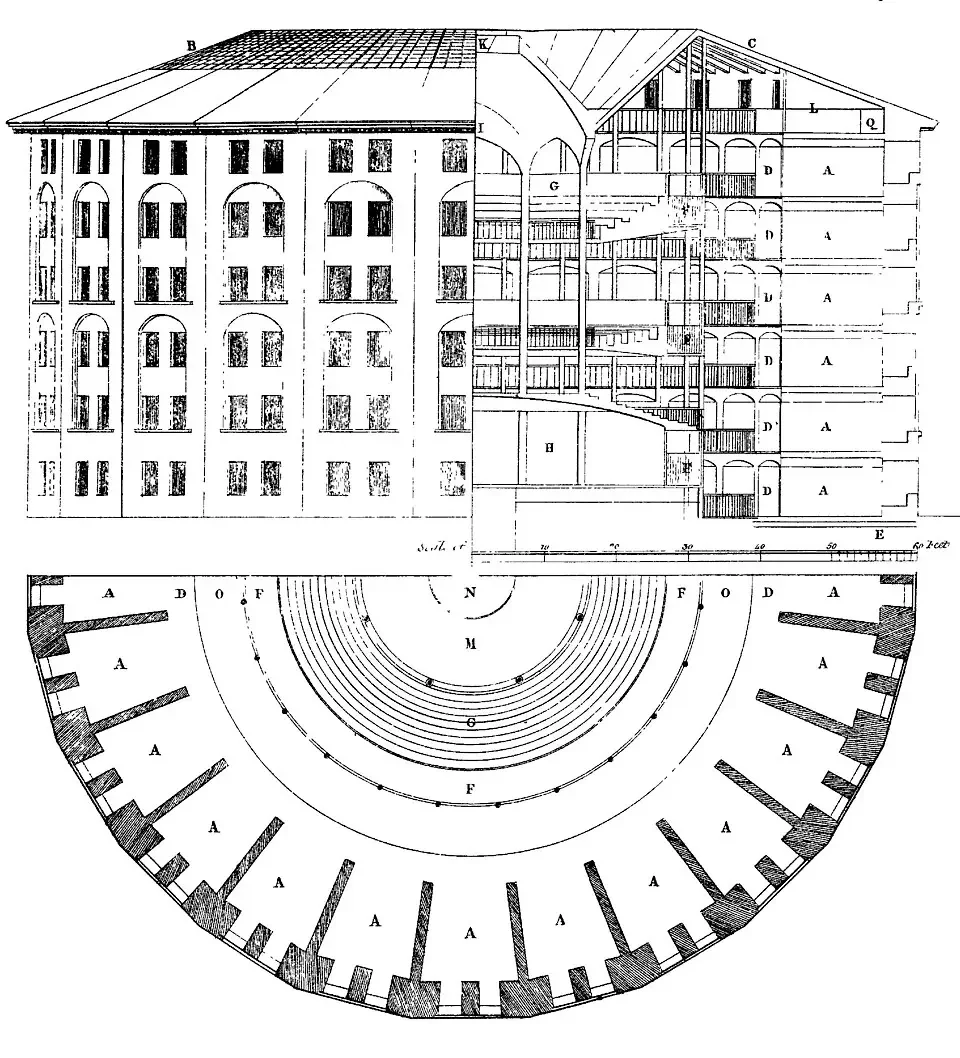
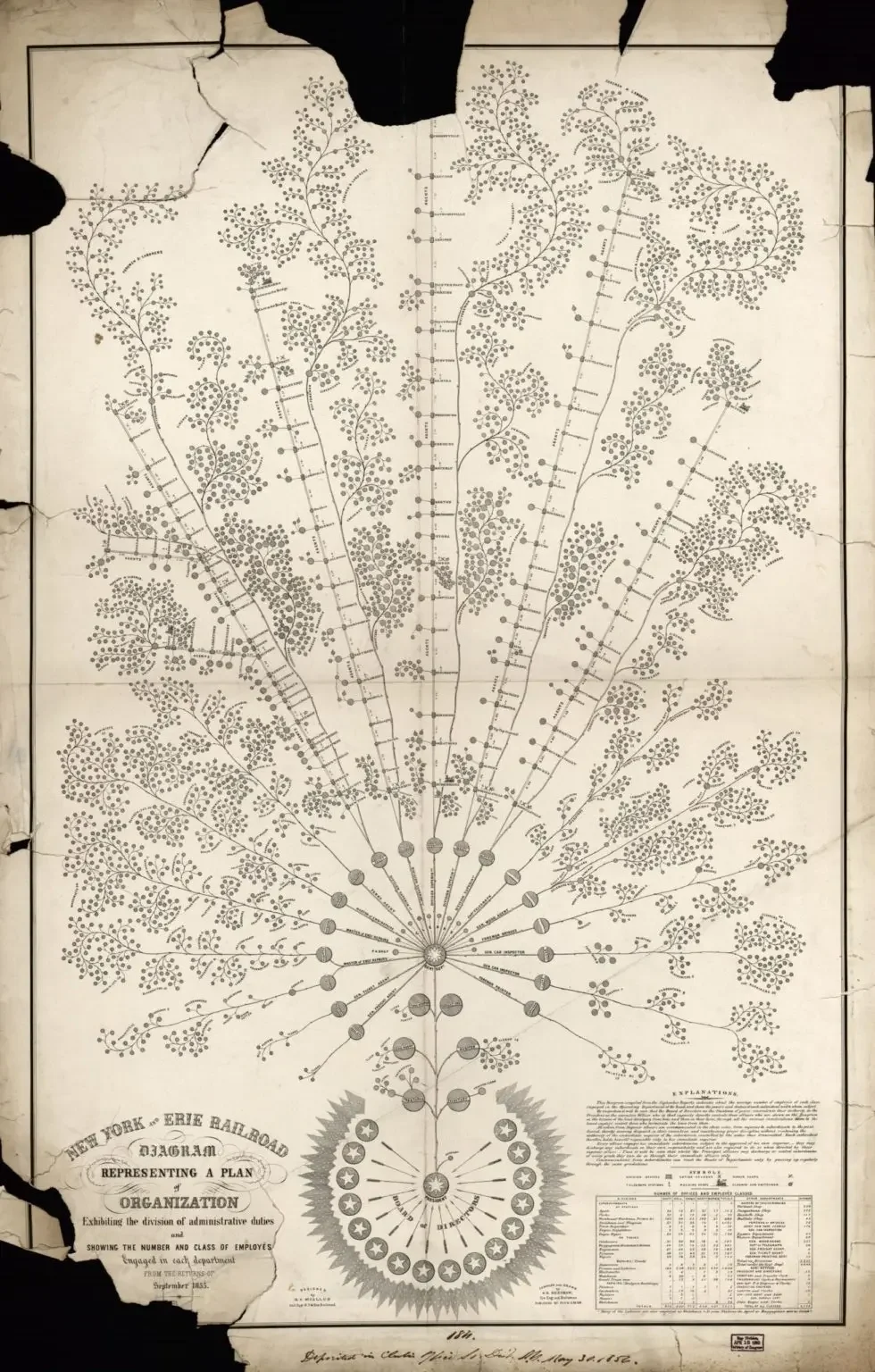
Read The History of Work to understand how these dynamics formed and why they persist. This lens connects modern system responses to friction to older systems of authority, professionalism, and control.
This is where personal frustration turns into systemic understanding.
Toolkits
These toolkits aren't meant to be used all at once. Each one helps you respond to a specific underperformance signal once you understand what the system is producing.
Start with the part of the pattern that's hardest to read.
Systems Thinking Blueprint
Walks you from the visible issue down to the root cause, including roles, expectations, and incentives, so you can tell a fit or structure problem apart from an effort problem before you act.
Open the toolQuick Performance Snapshot
A fast check-in you repeat, capturing wins, gaps, and next steps, so progress stays visible and nothing turns into a surprise at review time.
Open the tool
Underperformance rarely travels in isolation.
When work stays centralized on your desk because handing it off introduces higher risk than doing it yourself.
When an individual performance gap is actively sustained or protected by how the surrounding team works around them.
When the strategic question shifts from diagnosing the current gap to designing the actual path for long-term growth.
When you have delivered the assessment multiple times but the mechanics of the conversation fail to shift the execution.
You do not need to rewrite the entire terrain today. Simply isolating the single active intersection can immediately clarify your next move.
Underperformance Pattern Map
Before you choose a next move, here are four clarifying answers managers tend to need in this terrain.
How do I know if it's a fit problem or a performance problem?
Check whether the role still matches the work it was built for, and whether the standard was ever made explicit. If either has drifted, you're likely looking at fit or structure before effort.
Should I start a performance improvement plan?
Not as the first move. A formal process is hard to reverse and often treats a structural cause as a personal one. Diagnose fit, clarity, and support first, then decide.
Why does the same role keep producing underperformers?
Because the role itself is producing the gap. When a seat repeatedly turns capable people into underperformers, the design of the work needs attention before the next hire.
What does this page help me do differently?
It helps you read what the system is producing before you act, so you respond to the actual cause instead of escalating or rescuing.
I need relief now
I want to undertand the pattern
Difficulty with powerful stakeholders is usually structural: responsibility without matching authority, and reasoning your stakeholder never sees. This guide helps you locate where the friction sits.