

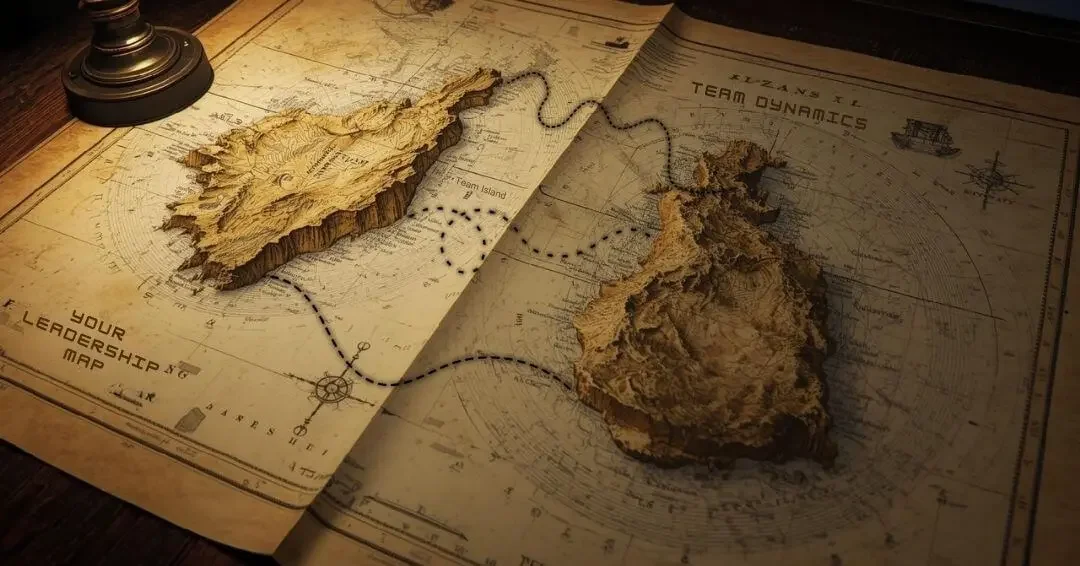
Why Does My Team Feel Disconnected Even When We're "Doing the Work"?
Execution can continue long after cohesion quietly erodes.
Team problems are rarely about personalities. They're about how work is coordinated.
Teams can keep producing long after something essential has gone quiet. Deadlines are met, deliverables ship, check-ins happen on schedule—but the room feels flat. Decisions take longer than they should. Small misalignments compound into recurring friction. People stop volunteering what they actually think.
This is what coordination breakdown looks like from the inside. When roles, decision paths, or norms are implicit rather than designed, teams compensate with behavior—debating things that should be settled, working around each other instead of with each other, defaulting to whoever speaks first or loudest.
This map surfaces the invisible rules shaping how work actually moves so alignment doesn't depend on personalities or constant intervention.
I need relief now
I want to understand the pattern

Start with your map.
When team dynamics keep pulling you into the middle, the issue is rarely just personality conflict. It often reflects a deeper leadership pattern: what tension you notice first, what you try to stabilize, and what you default to when the group loses its footing.
The Source Assessment helps you identify that pattern so you can see why this team issue keeps drawing you in and what kind of response will help.
Ten minutes. Free. Your result arrives by email.
Is this your terrain?
If two or more of these are true, your team is compensating for unclear coordination.
- Decisions stall or loop because no one's sure who has the final call.
- Alignment depends on who's in the room, not shared standards.
- Meetings surface tension but rarely resolve it.
- Side conversations carry more weight than formal agreements.
- Responsibility quietly concentrates around a few people.
- Disagreement feels risky or strangely personal.
- Work slows down when collaboration is required.
- You sense power dynamics that are never named.
- Issues repeat with different people but the same pattern.
- Progress depends on negotiation instead of clarity.
If this is your terrain, you don't need more effort. You need a clearer map. Start with the framework that makes team dynamics navigable.
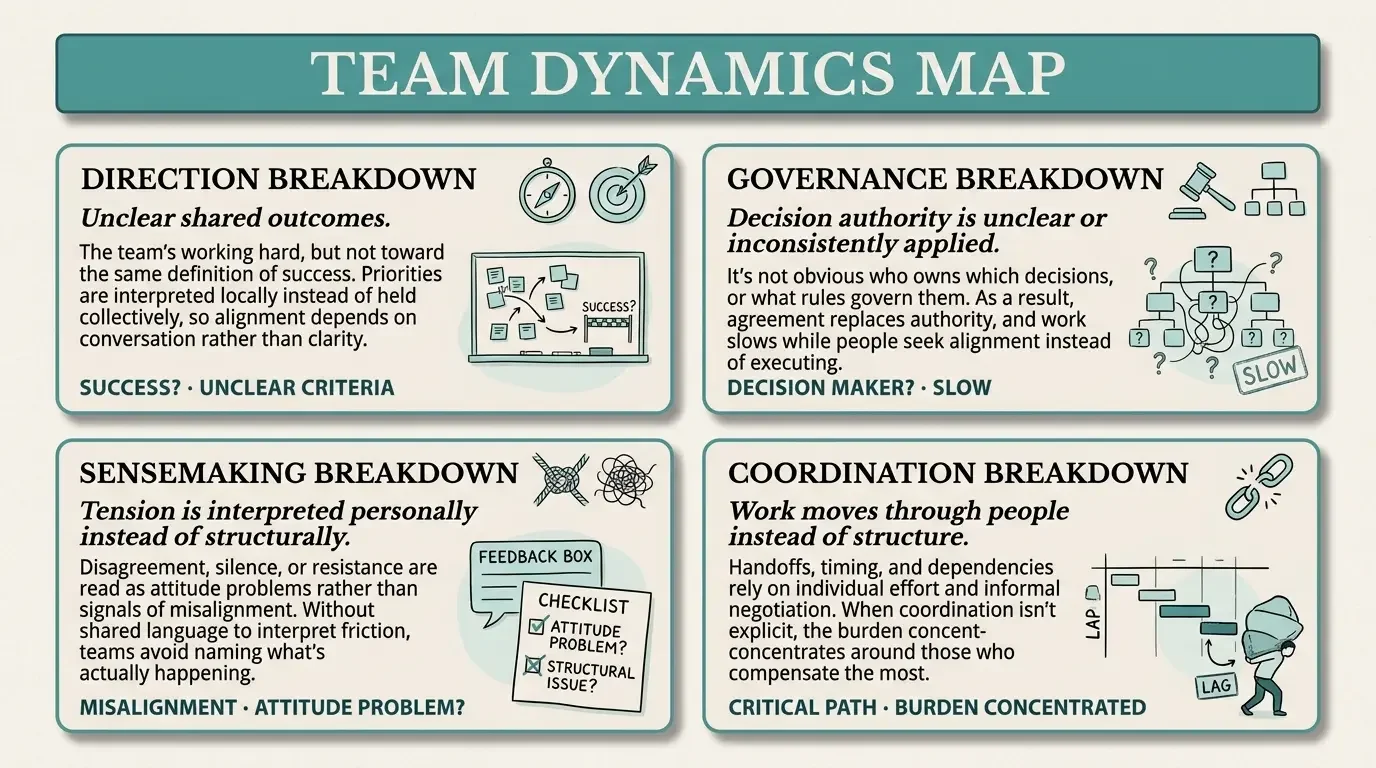
The Team Dynamics Map: Where Coordination Breaks Down
When teams struggle to align, the issue is rarely interpersonal. It's a breakdown in one or more core coordination functions.
These four signals help you identify where collaboration is breaking down — not who's causing it.
Direction Breakdown
Unclear shared outcomes
- The team's working hard, but not toward the same definition of success.
- Priorities are interpreted locally instead of held collectively.
- Alignment depends on conversation rather than clarity.
Governance Breakdown
Decision authority is unclear or inconsistently applied
- It's not obvious who owns which decisions, or what rules govern them.
- Agreement replaces authority, and work slows while people seek alignment instead of executing.
Sensemaking Breakdown
Tension is interpreted personally instead of structurally
- Disagreement, silence, or resistance are read as attitude problems rather than signals of misalignment.
- Without shared language to interpret friction, teams avoid naming what's actually happening.
Coordination Breakdown
Work moves through people instead of structure
- Handoffs, timing, and dependencies rely on individual effort and informal negotiation.
- When coordination isn't explicit, the burden concentrates around those who compensate the most.
Team meeting discusses priorities. Everyone nods. Two weeks later, three people are working toward different outcomes.
- Direction: "Before we move forward, let's define what 'successful launch' means. Is it adoption rate, feature completion, or something else?"
- Governance: "Who makes the final call if we disagree on scope? Let's establish that now so we don't stall later."
- Sensemaking: "I'm sensing tension. Is this about the decision itself, or about who gets to make it? Let's name what's actually happening."
- Coordination: "Let's map dependencies: who needs what from whom, and by when? Put it in the tracker so it doesn't rely on memory."
Decisions keep getting reopened. Team member says "I thought we already decided this."
- Direction: "We agreed on the action, but not on the outcome. What does 'done' look like for this decision?"
- Governance: "This keeps coming back up because we haven't clarified who owns it. Once decided, is it final, or do we keep revisiting?"
- Sensemaking: "The pushback isn't resistance — it's a signal that something's unclear. What part of this decision doesn't feel resolved?"
- Coordination: "We decided this in the meeting, but no one captured next steps. Let's document who's doing what so work can actually move."
The first approach treats friction as interpersonal. The second identifies which coordination structure is missing and rebuilds it.
What this sounds like in practice
When roles and ownership are unclear
Work overlaps or falls through gaps
When tension surfaces but doesn't resolve
Conflict feels personal instead of structural
When decisions keep getting reopened
No clear process for finality
Choose your route
There is no single right move here. It depends on what the team needs first.
If decisions keep stalling or alignment feels fragile
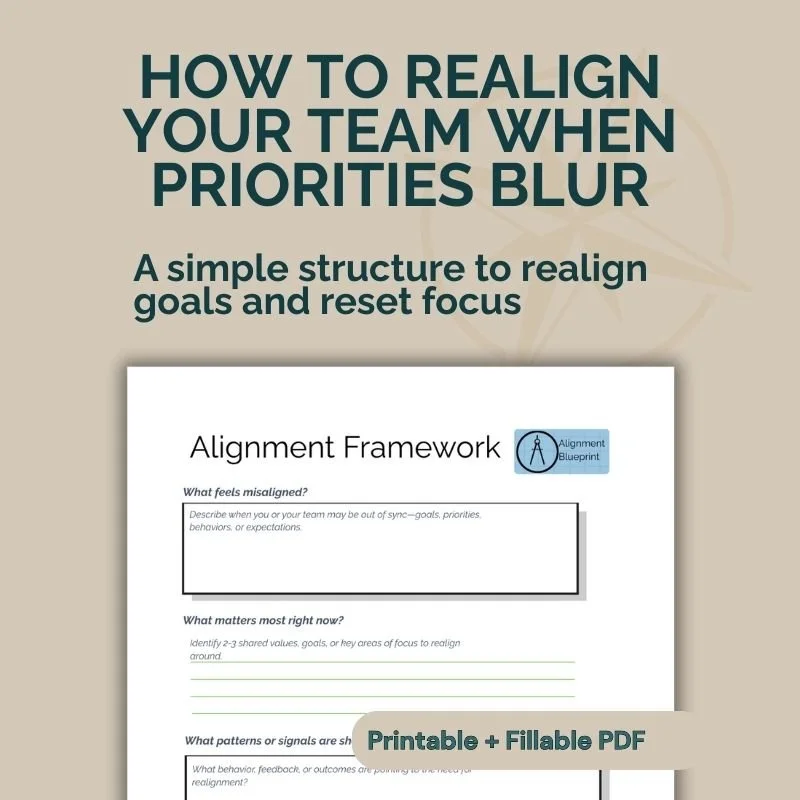
Use the Team Alignment Map & Priority Tracker to make shared priorities and ownership visible, so progress doesn't depend on constant negotiation.
- Establishes a shared picture of what matters now
- Reduces friction caused by unclear ownership
- Creates alignment without forcing consensus
If you want to understand why alignment keeps breaking down, go here.
This route maps the hidden rules shaping how your team makes decisions, handles tension, and coordinates work across roles.
It helps you see which structural signal is missing so you can change the pattern, not manage the symptoms.


What is actually happening
Team tension emerges when the system lacks shared rules for how work moves between people. This isn't about effort, motivation, or personality.
It's about how decisions are owned, how norms are enforced, and how coordination is handled when work crosses roles.
Most of the time, three predictable frictions are at play.
Decision Diffusion
Decisions do not have clear ownership. Authority spreads sideways instead of landing somewhere specific. Agreement becomes the substitute for clarity, and work slows while people negotiate alignment instead of executing it.
Norm Ambiguity
Expectations exist, but they are implied rather than explicit. People rely on cues, history, or power dynamics to decide what is acceptable. This makes disagreement feel personal instead of procedural.
Coordination Substitution
The system relies on individuals to connect people, tools, and timing. When coordination lives in people instead of structure, tension concentrates around those who compensate the most.
Once you identify which team breakdown is active, your next move becomes clear. But first, you need to recognize the signal accurately.
When you're navigating team dynamics, your internal story is often reasonable. It's just incomplete. Here's how to read what the system's actually telling you.
When this terrain keeps repeating
If this keeps showing up across different situations, you might not need another tactic. You might need orientation. Your leadership Pathway shapes what you notice, what you prioritize, and what you misread under pressure.
You will get your Pathway orientation and next steps there.
Your interpretation. The likely signal.
| You Think: | The System Signal May Be: |
|---|---|
| We keep talking, but nothing really lands. | There is no shared decision rule, so alignment depends on conversation instead of clarity. |
| People seem resistant or disengaged. | Expectations and norms are implied rather than explicit, making participation feel risky or unclear. |
| This team overcomplicates everything. | Decision ownership is diffuse, so work expands through negotiation instead of execution. |
| Tension keeps resurfacing in different ways. | Disagreement is being interpreted personally because there is no shared language for interpreting friction. |
| A few people are carrying the whole team. | Coordination lives in individuals instead of structure, concentrating strain around compensators. |
When this pattern repeats, the signal is structural, not individual.

Read The Manager’s Compass
Use the Manager’s Compass to diagnose which coordination function is misaligned in your team.
These articles help you identify whether the issue is direction, governance, sensemaking, or coordination, and what that breakdown is signaling about how the system is operating.
This is where you go when you want clarity before deciding what to change.


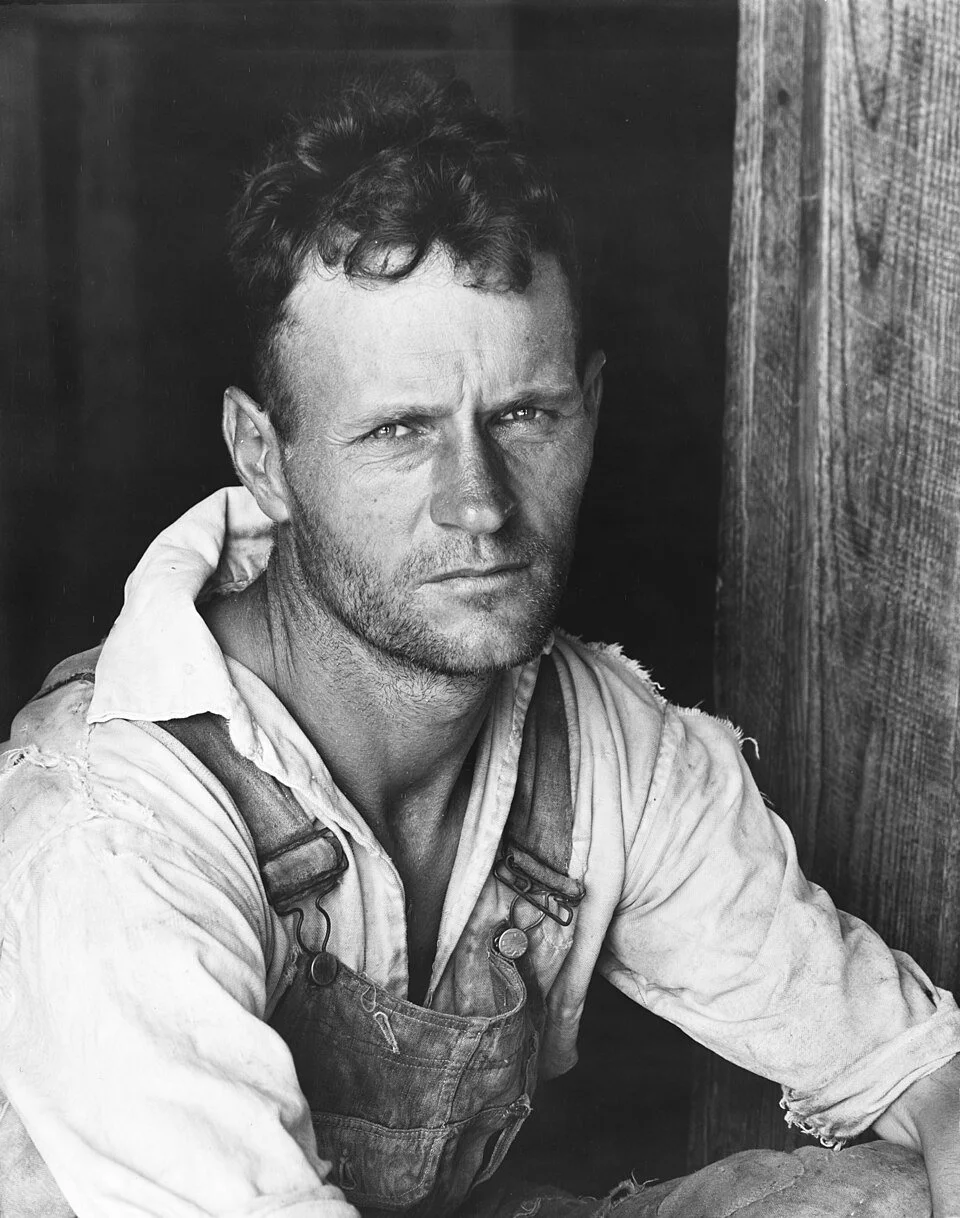
Read The Manager's Mind
Read to see how team tension and misalignment surface in real leadership moments. Each post traces a lived situation so you can recognize yourself in the signal, not just understand it conceptually. This is where the framework meets lived experience.
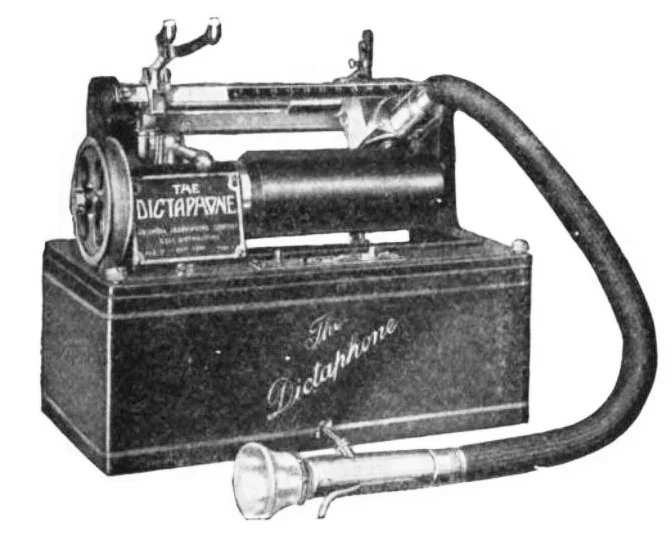
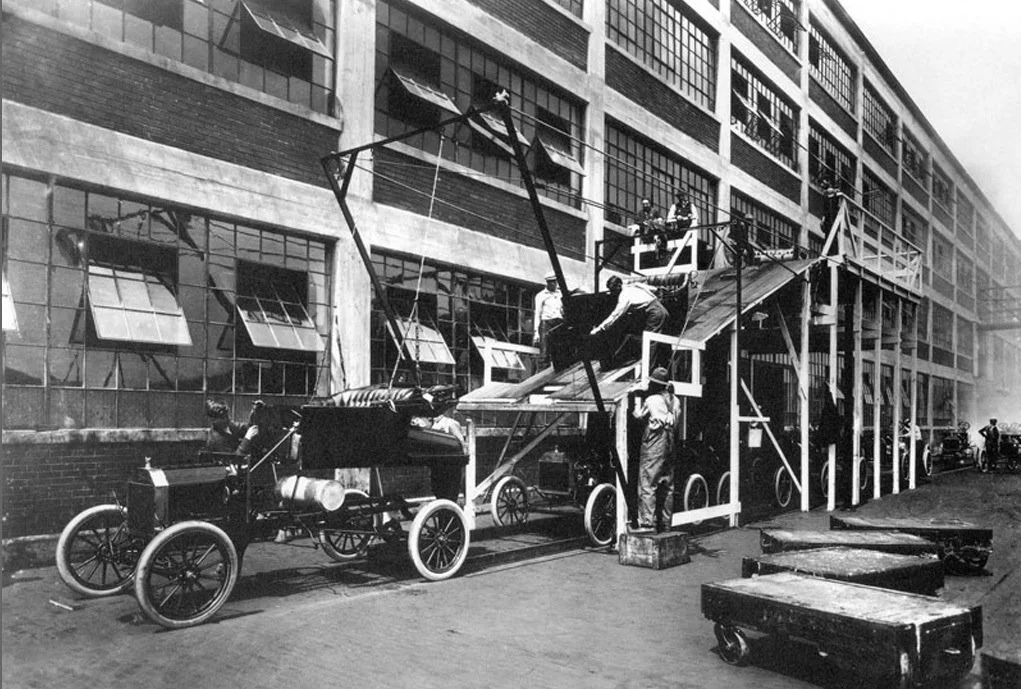
Read The History of Work
to understand why overload has become the default condition of modern management.
These essays trace how roles, expectations, and coordination demands evolved so you can see how today’s overwhelm was structurally produced, not individually caused.
This is where the pattern gets historical context.
Toolkits
Each tool addresses a different coordination breakdown that shows up when teams lose shared clarity.
Start with the pattern you are seeing most clearly right now. That signal tells you which part of the system needs attention first.
Team Alignment Map & Priority Tracker
If your team cannot align on what matters most — use this to make priorities and ownership visible, so progress does not depend on constant discussion or personal effort.
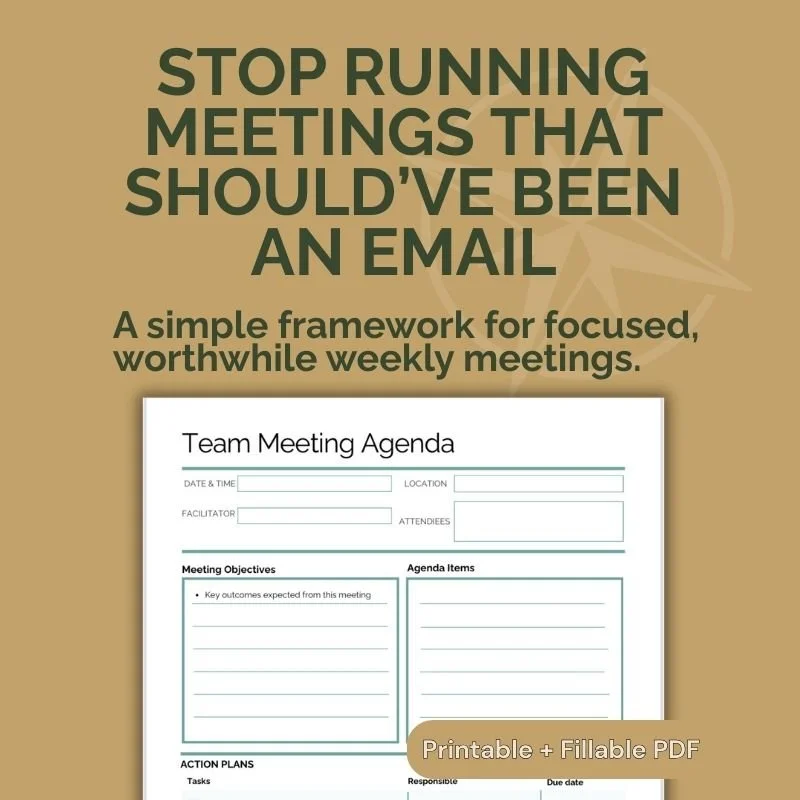
Meeting Agenda Template
If meetings surface tension but rarely resolve it — use this to structure decisions and handoffs so alignment carries forward after the meeting ends.
Conversation Starter Cards Toolkit
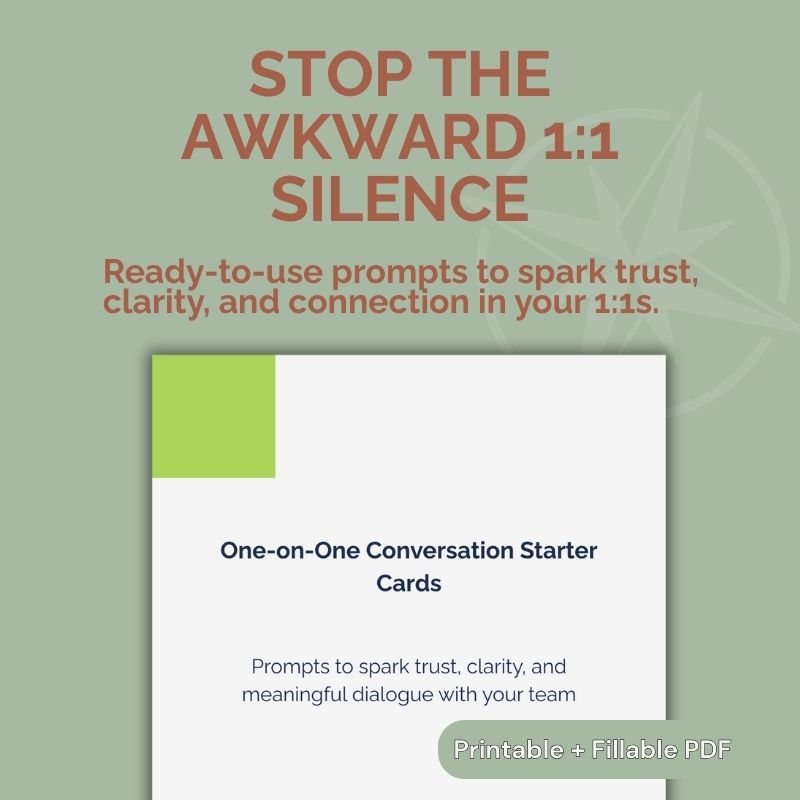
If tension exists but no one knows how to name it — use this to create shared language for discussing misalignment before it hardens into conflict.
This terrain rarely travels alone
Coordination breakdowns often overlap. If you are here, one or more of these neighboring terrains may be active too.
| Neighboring Terrain | When it may be active |
|---|---|
| Feedback Pattern Map | When tension surfaces indirectly because expectations or concerns are not landing clearly or safely. |
| Former Peer Transition Map | When authority is still settling and coordination costs rise as roles and relationships shift. |
| Managing Up Map | When priorities, constraints, and decision authority are not legible across levels. |
| Delegation Block Map | When unclear ownership forces alignment work back onto the manager. |
You do not need to solve all of these at once. Noticing which one is active is often enough to change what you do next.
Team Dynamics Map
Before you choose a next move, here are clarifying answers managers tend to need in this terrain.
Why do capable teams still struggle to align on basic decisions?
Because alignment depends on shared decision paths, not individual competence. When roles, authority, or handoffs are unclear, teams compensate through debate, delay, or informal workarounds.
Are team dynamics problems about personalities or behavior?
They are almost always coordination problems. Behavior changes when the system does not clearly define how work moves, who decides, or what "done" looks like.
Why does alignment seem to break down differently across situations?
Because teams often operate with multiple, competing rule sets. When priorities, norms, or escalation paths shift by context, alignment becomes fragile and inconsistent.
What does this page help me do differently as a leader?
It helps you identify which invisible rules are shaping team behavior, so you can adjust structure and coordination instead of managing people harder.

Three managers at a social enterprise all lead through the same strength: Support. Each one is good at it. What Mara could not see from the individual readings was what their leadership becomes when they carry the same mission together, and what that means for how she leads.