


Stop the scramble. Choose the instrument that steadies the week.
The Supply Post is a curated inventory of tactical gear organized by the specific pressure you are carrying right now.
When work feels heavy, it is rarely a personal failure. It is a system signal.
Most managers are taught to work harder when they hit an industrial rut, but you cannot outwork a broken map. You do not need more advice. You need the right instrument for the terrain.
The Supply Post is your tactical resource for the trail. Every tool here is designed to help you name the friction, read the system signals, and mark a steady next move. Whether you are navigating a role shift, stabilizing a remote team, or translating your impact to senior leadership, these maps help you find your footing so you can lead from stable ground.

Equipped with the gear? Now see the landscape.
Know your terrain? Go to the maps.
Why does the friction keep showing up?

Signal 04 | Managing Up
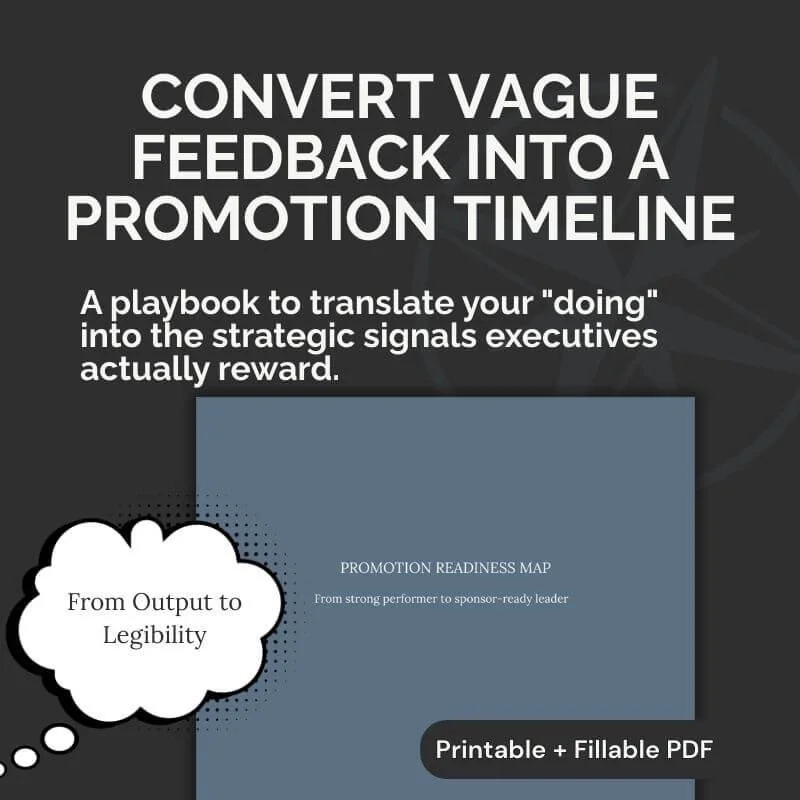
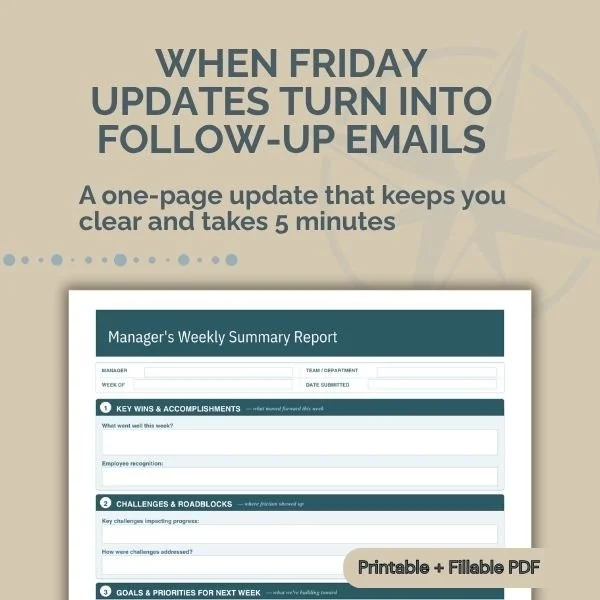
Signal Flare Kit | Making Your Work Legible
Leading from the middle means translating your impact into signals senior leadership can act on. These instruments help you prepare clear upward communication so decisions move forward without repeated clarification or delay.
Signal 07 | Peer to Leader
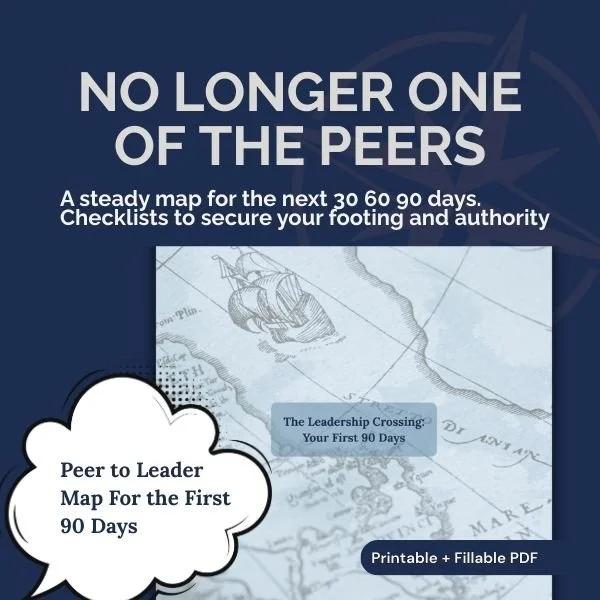
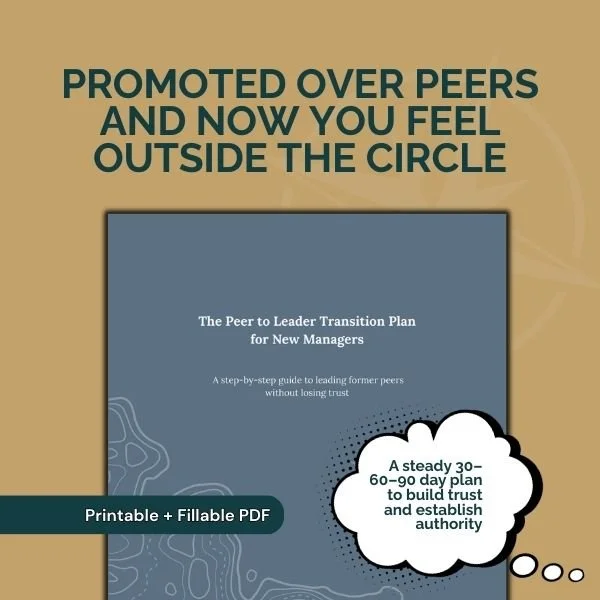
Boundary Markers | Stabilizing the Shift
Moving from peer to leader changes the terrain of every relationship. These supplies help you redraw role boundaries and establish a new rhythm of authority without losing the trust of the team.
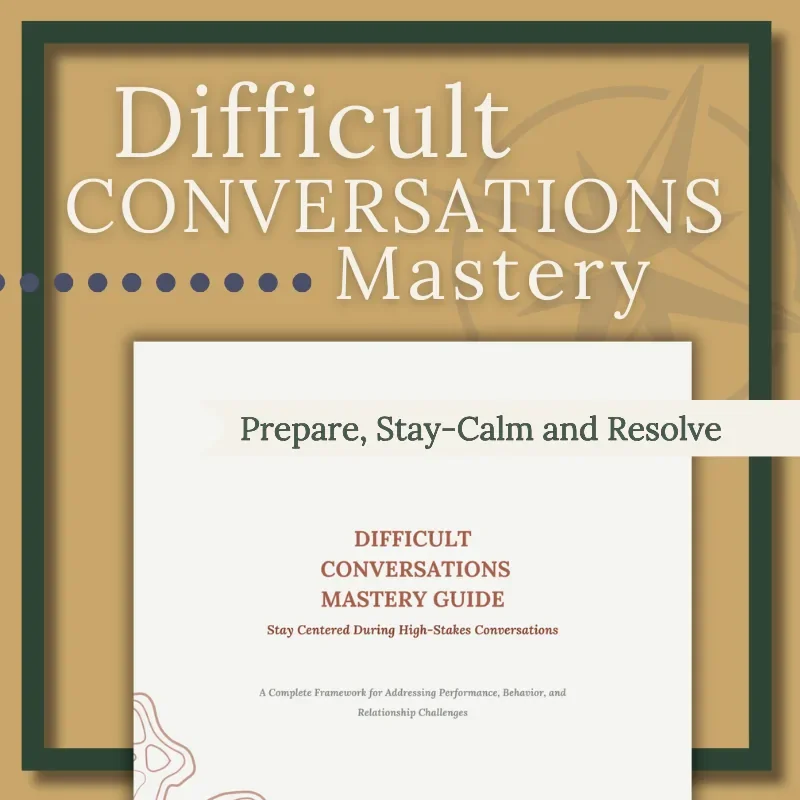
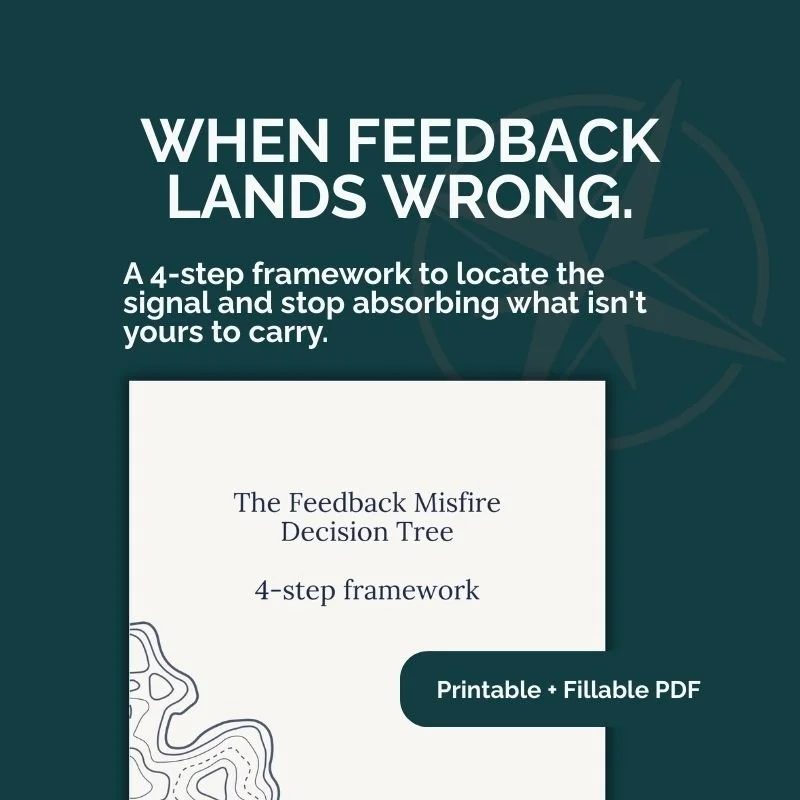
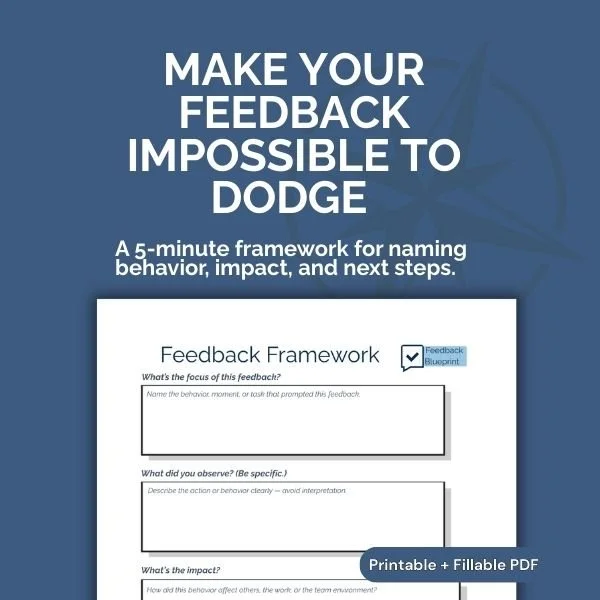
Signal 01 | Feedback
Calibration Gear | Interpreting the System
Feedback is how the system tells you where your map is out of alignment. This gear helps you process critique without overcorrecting so you can maintain a steady line of sight on your objectives.
Signal 02 | Delegation
Transfer Supplies | Moving the Load Without Chaos
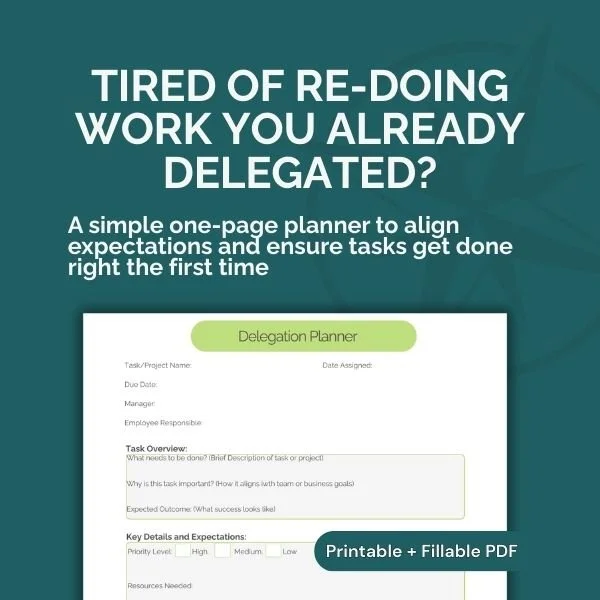
Holding onto every task is rarely a need for control. It is usually a system signal that the team lacks clear standards. When the lanes are blurry, the authority collapses and the leader defaults to doing the work themselves to prevent a failure.
These supplies help you define the standards and the decision lanes before you hand over the gear. Use these instruments to move work off your desk while keeping the quality of execution steady across the team.
Signal 03 | Overwhelmed & Stuck
Structural Provisions | Restoring a Sustainable Rhythm
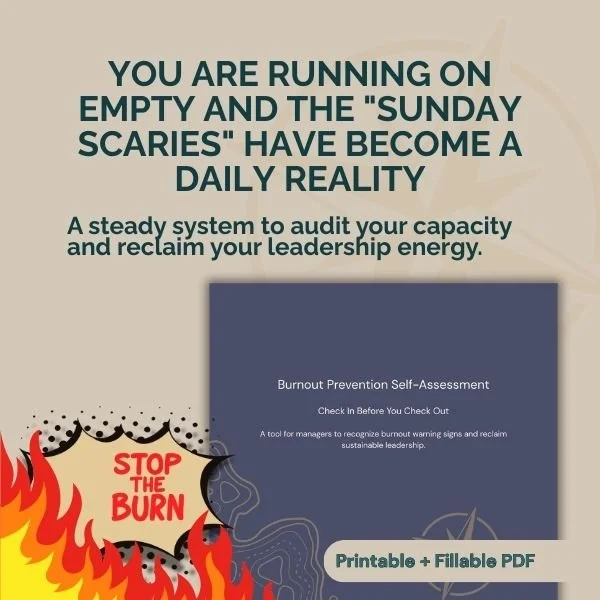
When everything feels urgent, nothing is a priority. This terrain is marked by high noise, low flow, and a constant sense of being behind. This is a system signal that your current rhythm is no longer supporting the load.
These provisions are designed to help you clear the fog, close mental open loops, and restore a steady cadence to your week. Use these maps to stop the thrashing and start deciding from a place of clear capacity.
Signal 05 | Remote Leadership
Rhythm Instruments | Coordination Without Surveillance
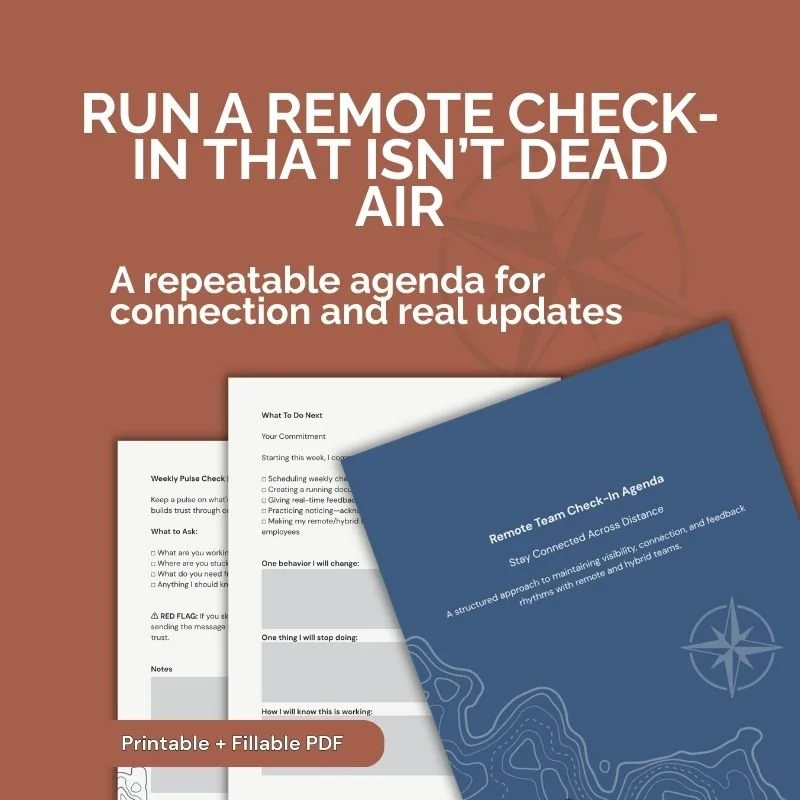
When visibility disappears, leaders often default to surveillance. This terrain is marked by a breakdown in coordination because the old, physical office signals are gone. This is a system signal that your communication rhythm needs a new frequency.
These instruments help you build a system based on trust and clear outcomes rather than checking active statuses. Use these maps to keep your team aligned and feeling seen, no matter where they are working.
Signal 06 | Team Dynamics
Coordination Tools | Surfacing the Invisible Rules
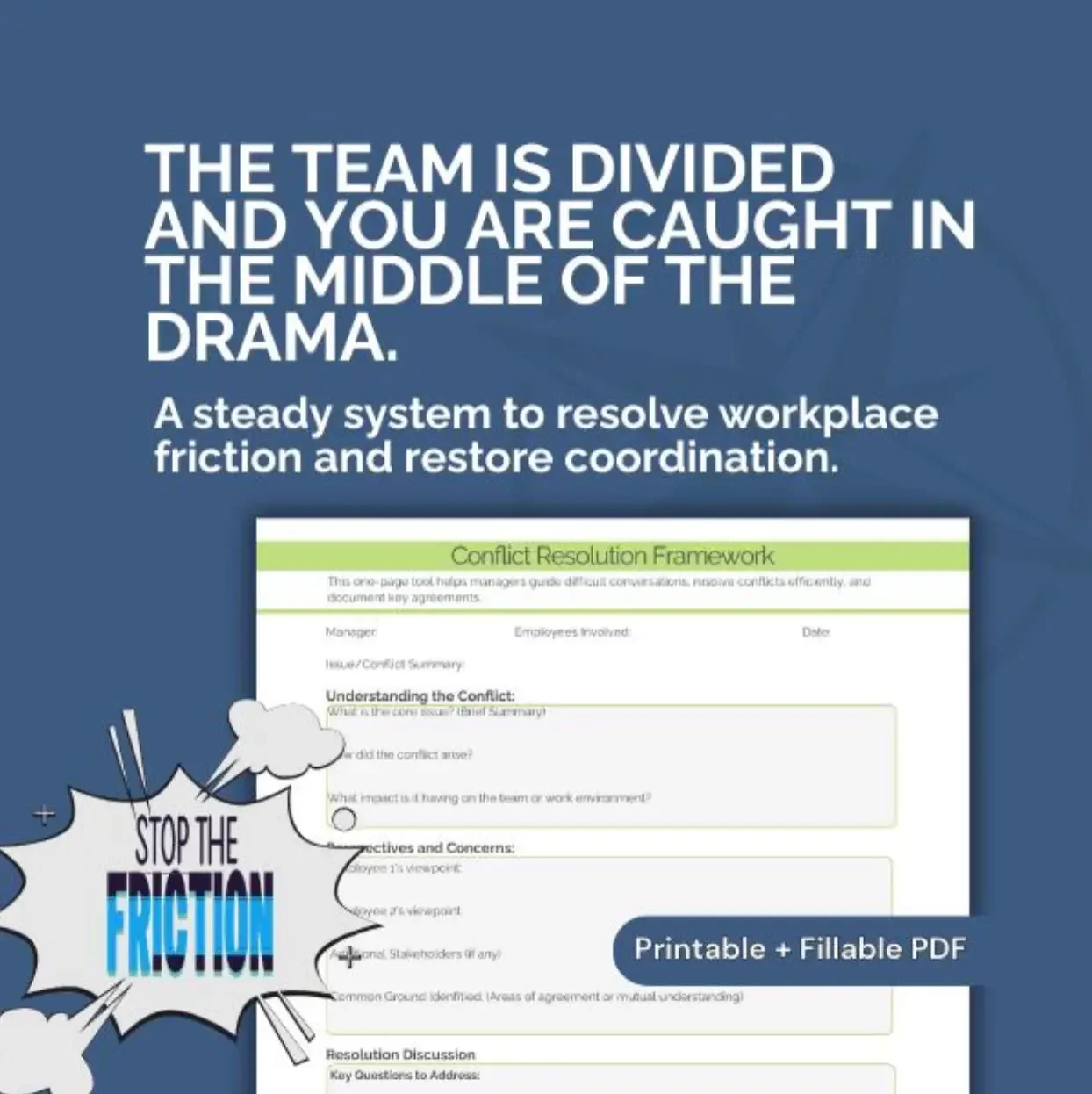
Teams often drift apart because the rules of coordination are unstated. When meetings feel like a waste of time or people are working in silos, the team has lost its common map. This is a system signal that the group is navigating without a shared route.
These tools help you surface invisible expectations and align everyone on the same path. Use these instruments to turn coordination from a source of friction into a source of steady momentum.
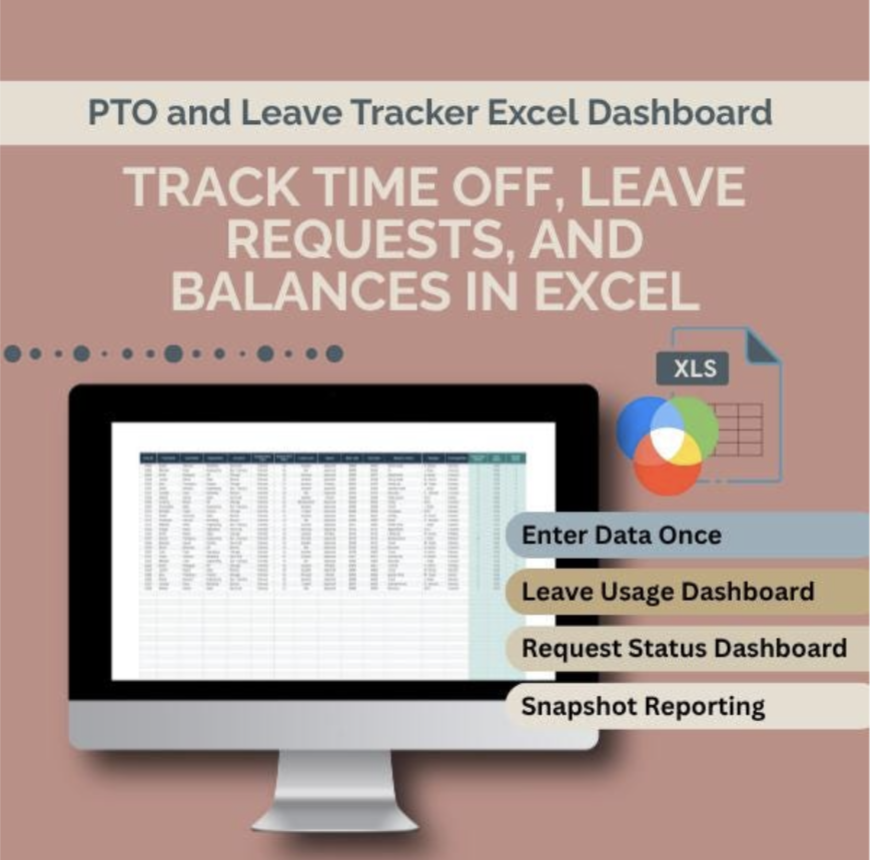
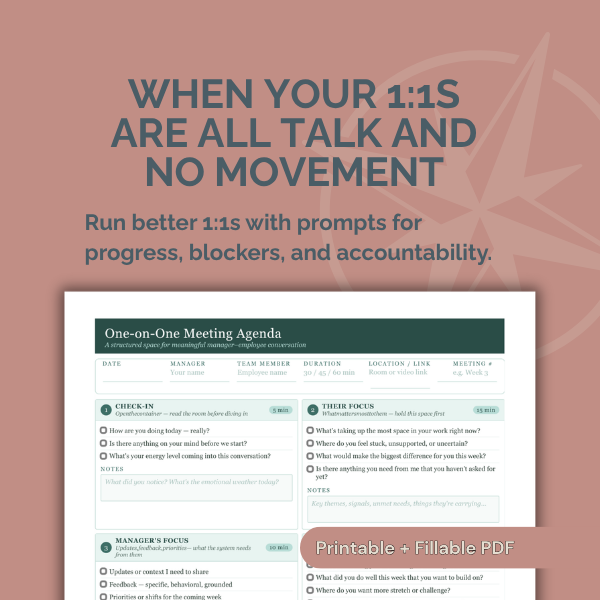
Signal 08 | Time Management
Capacity Gauges | Restoring Rhythm Before Productivity
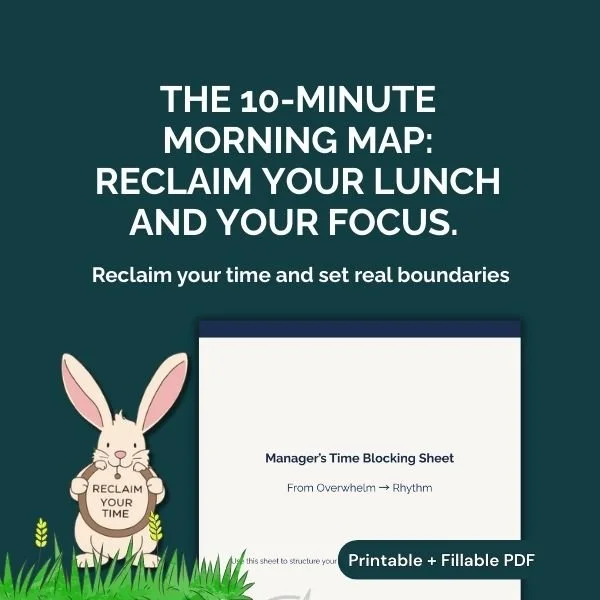
Most managers feel behind because their schedule is built on interruptions rather than a structural rhythm. When your calendar is a collection of other people's priorities, you are no longer leading. You are just reacting. This is a system signal that your current map lacks defined boundaries.
These gauges help you move from reactive defense to proactive coordination. Use these instruments to measure your true capacity, reclaim your time, and protect the space needed for steady leadership.
Signal 09 | Leadership Identity
Footing Essentials | Leading from Stable Ground
Most leadership models ask you to put on a mask. They demand a type of performative devotion that requires you to abandon your inherent style to fit a corporate mold. This creates deep identity friction and burnout. This is a system signal that you are operating without a secure anchor.
These essentials are designed to help you reconnect with your natural orientation. Use these maps to find your footing so you can stop performing a role and start leading with coherence and integrity.
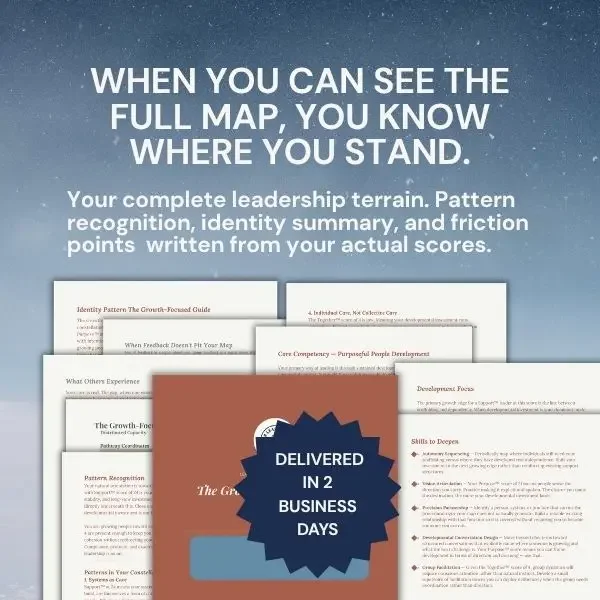
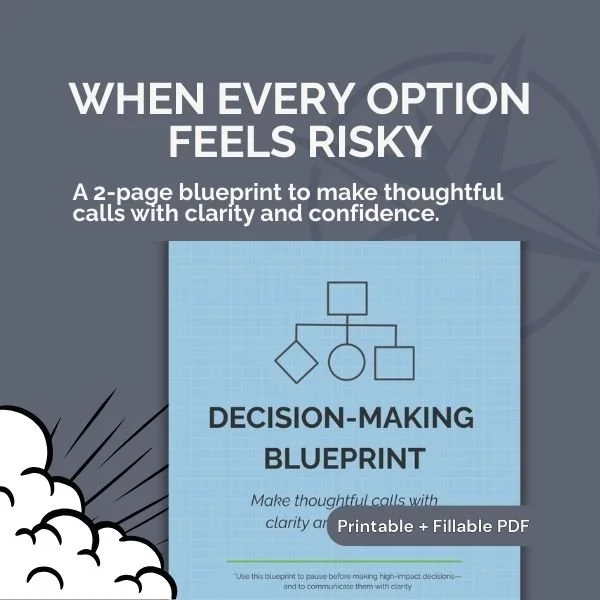
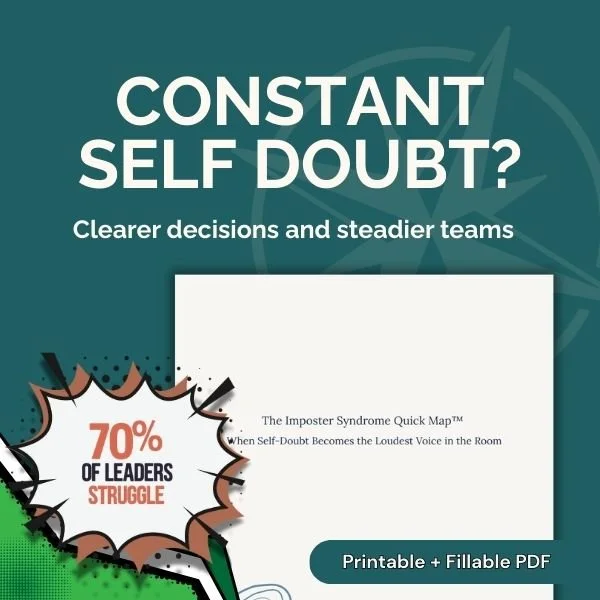
Signal 10 | Development
Trail Maintenance | Turning Insight into Steady Practice
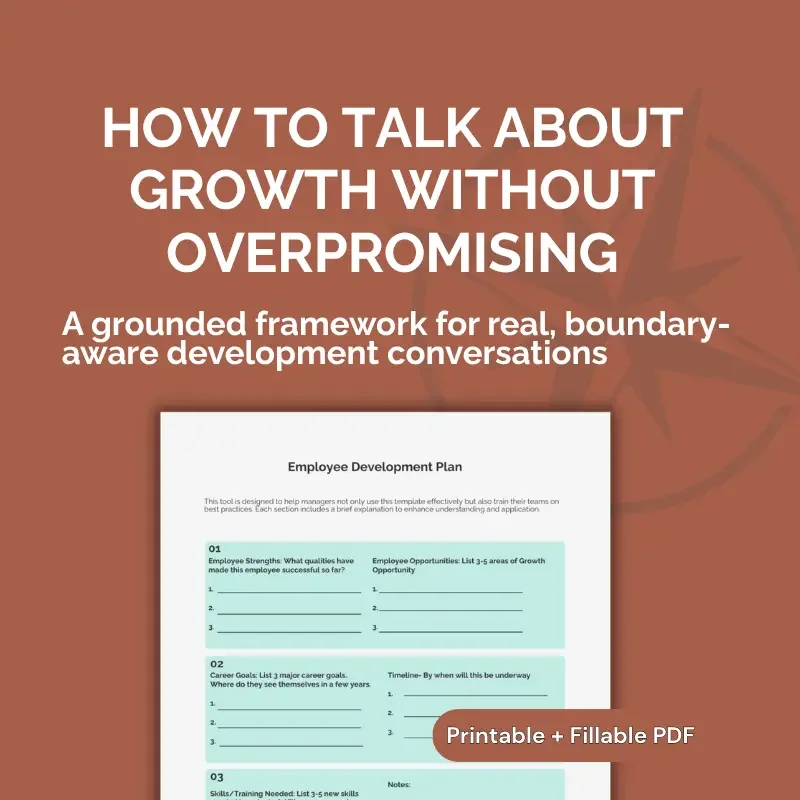
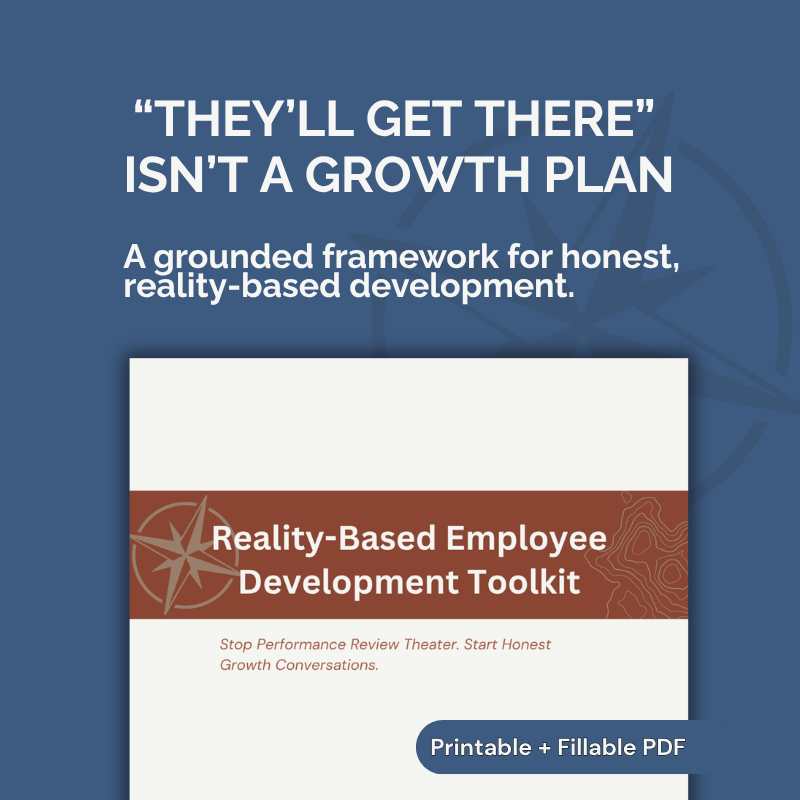
We often treat growth as a list of things to do. But a leader can learn every technique in the world and still feel stuck if the system around them does not change. This is a system signal that the legacy of the workplace is stalling progress.
This maintenance gear helps you move beyond simple training and into true orientation. Use these maps to help your team find their inherent pathways and turn individual insights into a collective, steady rhythm of progress.
Signal 11 | Underperformance
Sounding Line | Reading the Cause Beneath the Gap
When someone keeps falling short, the cause usually sits in the system around them: the standard, the fit, or the conditions the work runs on. These tools help you read what's actually producing the gap so you can respond to the real cause without escalating too early.
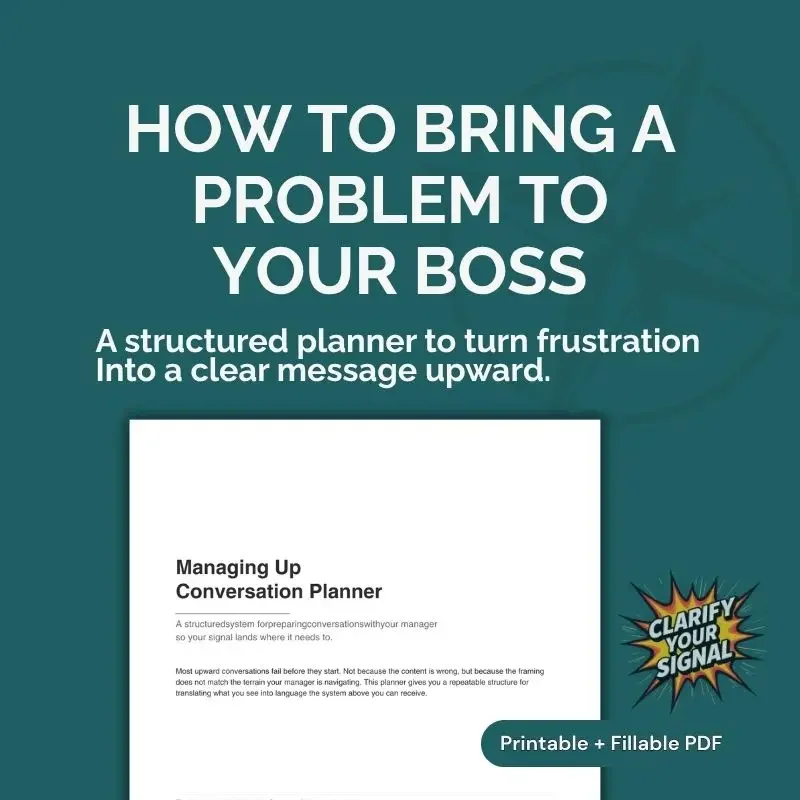
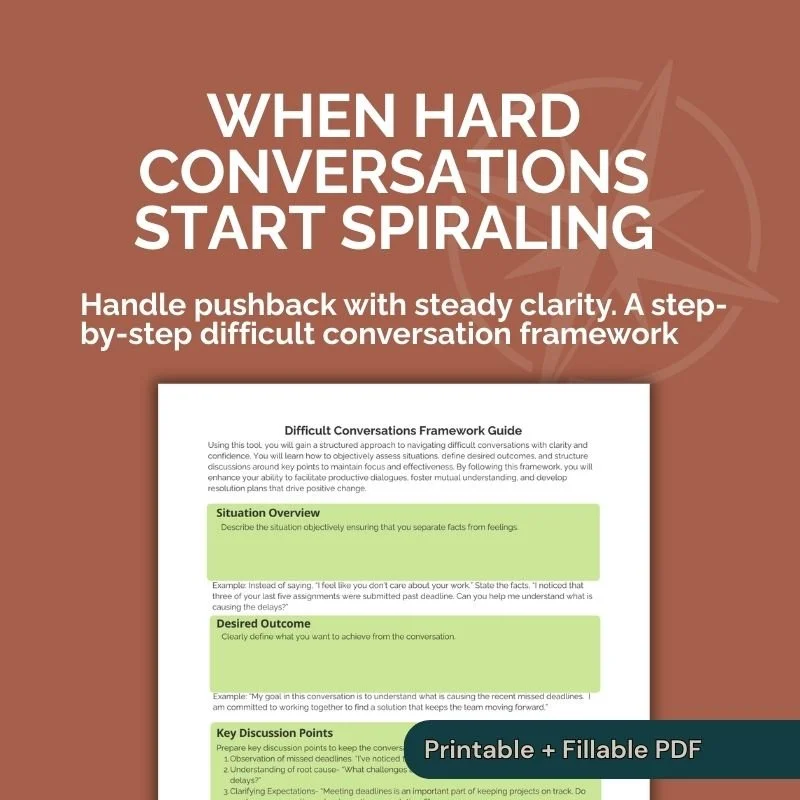

You've raised it more than once. The nod came back. The pattern kept moving. This is what happens when a manager's read of the terrain can't travel upward in a form executives can use.