


The History of Work
Every management theory
on this shelf was invented
to solve someone else's problem.
In someone else's century.
We are still using them. The org chart, the performance review, the chain of command — all of it designed for a world that no longer exists. The History of Work traces where these ideas came from, what problems they were actually built to solve, and why applying them today produces exactly the friction you keep running into.
The map was never drawn for you in the first place.
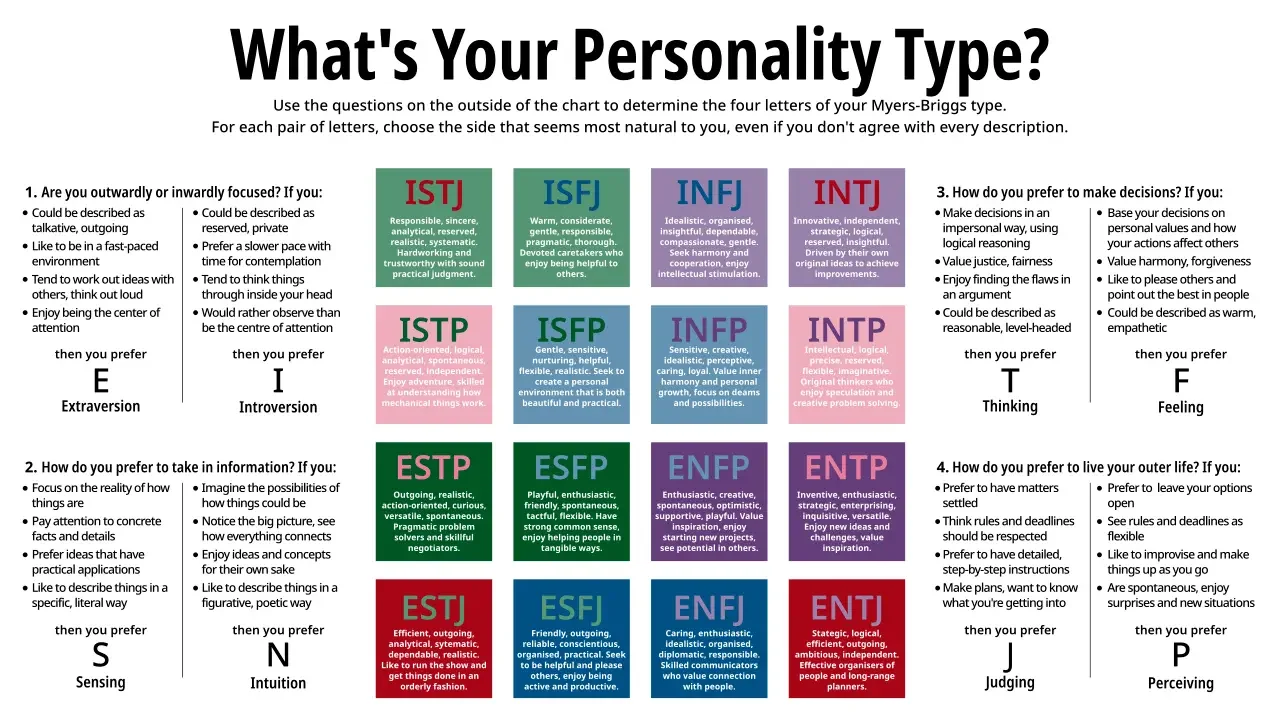
When personality became something management wanted to sort
A wartime personality test taught workplaces to sort people into categories, and the hiring office never put the habit down. What the Myers-Briggs Type Indicator was built to do, and what it costs the people being read.
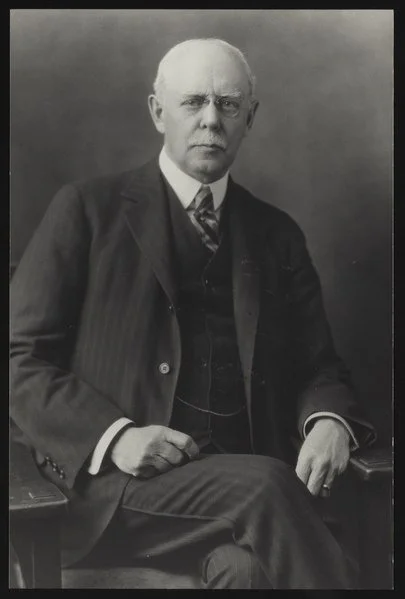
The First Consultant and the Outsourcing of Thinking
The consultant is the ultimate byproduct of low-trust environments. When you hire an outside firm to validate what your own staff already knows, you are participating in a cycle of intellectual laundering. You are paying a third party to supply the courage your own system lacks.
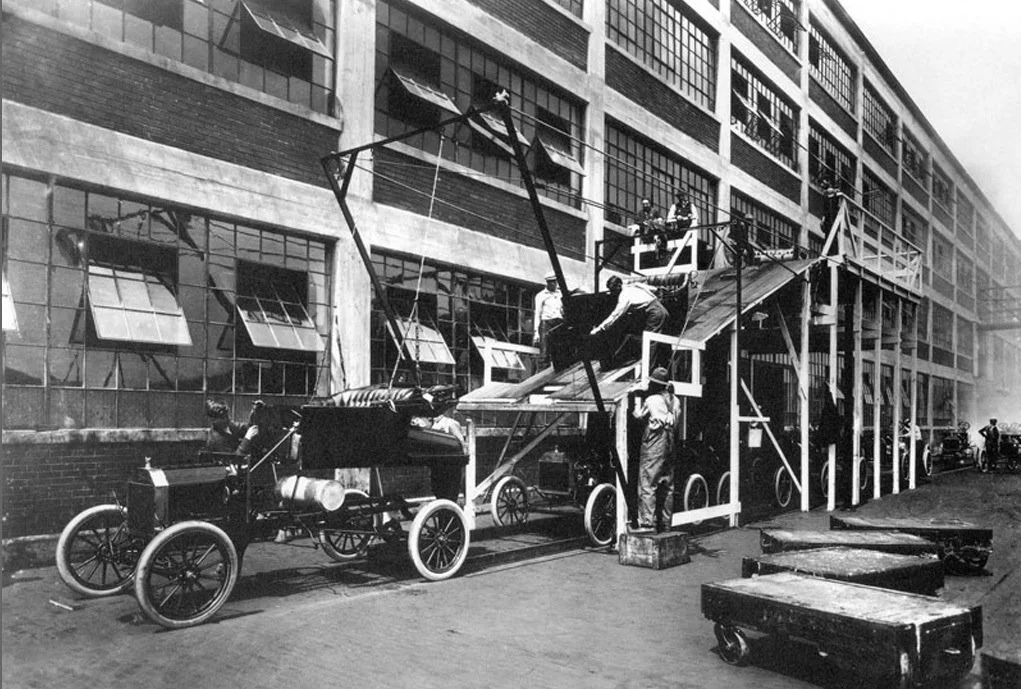
Ford's Assembly Line: When Efficiency Meant You Never Saw the Finished Product
In 1913, Henry Ford installed a moving assembly line at his Highland Park plant and cut Model T build time from 12 hours to 93 minutes. Every worker stayed in one spot. The work came to them. And in doing so, Ford built the first system where efficiency required that no single person understand the whole.
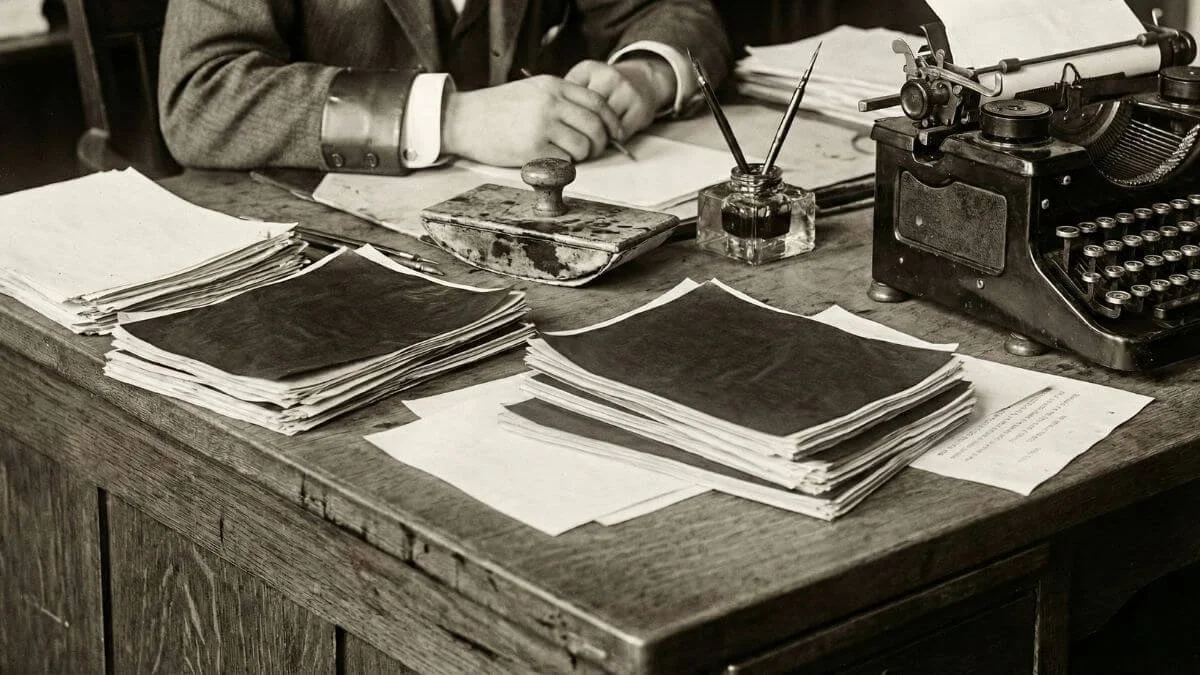
The Carbon Copy Clerk: Why We Still Use 1806 Management Logic
In 1806, Ralph Wedgwood patented carbon paper to solve a problem of distance. Before then, every contract and invoice was rewritten by hand, inviting errors and disputes. Wedgwood’s messy, ink-coated sheets created a synchronized truth.