



Night Shifts and the End of Natural Rest
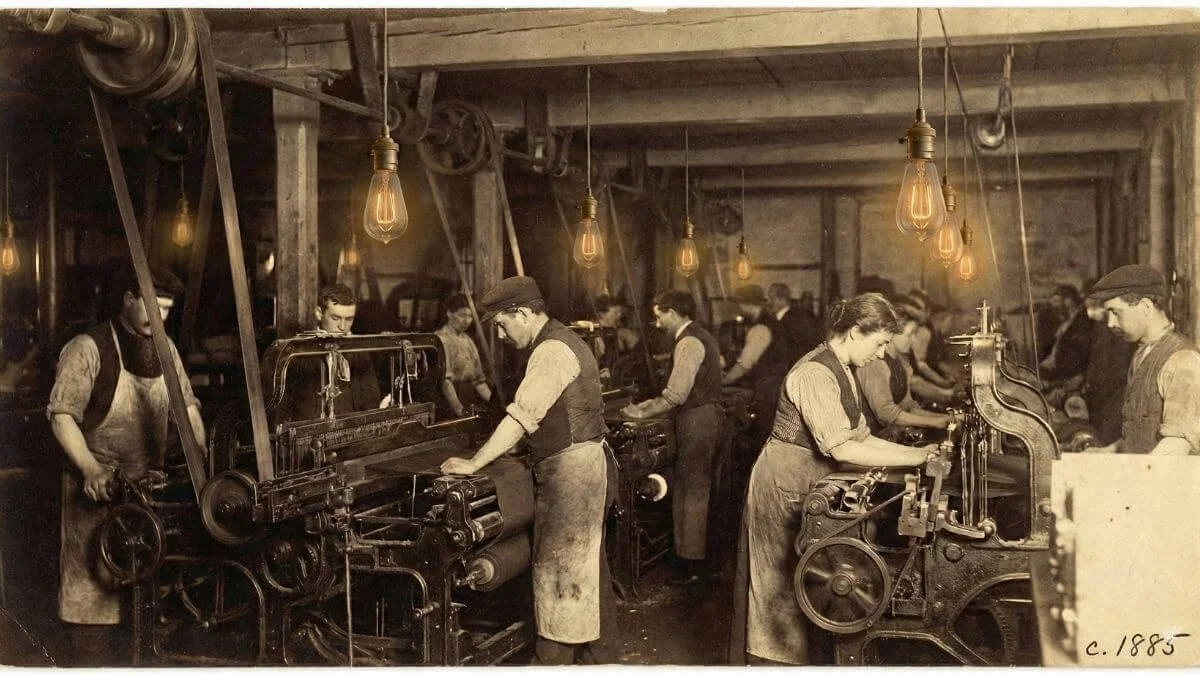
Electric light erased the natural boundary between work and rest. This history of work explores how managers inherited 24-hour expectations we were never built to sustain.
The Steam Engine: The Day Work Stopped Following the Sun
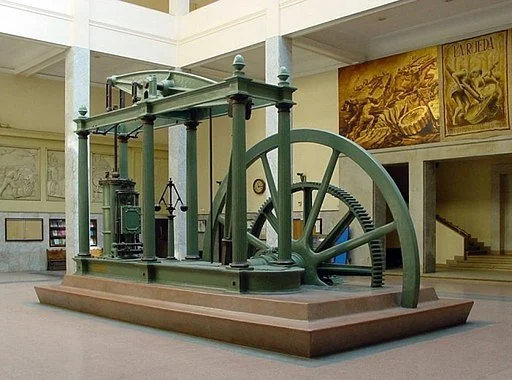
In 1781, James Watt patented a steam engine that produced rotary motion. This allowed factories to move away from riverbanks and into the heart of the city. More importantly, it allowed work to happen twenty-four hours a day.
The End of Child Labor: When We Traded Hands for Minds
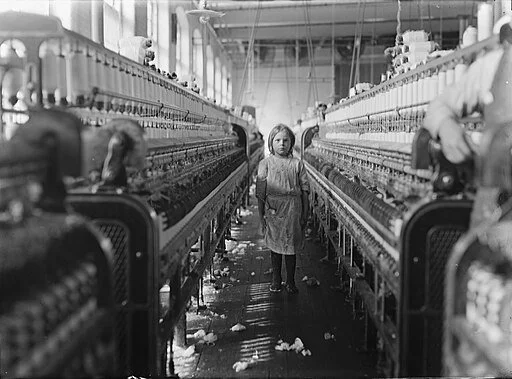
In the late 19th century, children were the ideal industrial workers. They were small enough to crawl under moving looms to clear jams and compliant enough to accept wages that were a fraction of an adult's pay.
The First Foreman: When Watching People Became a Job
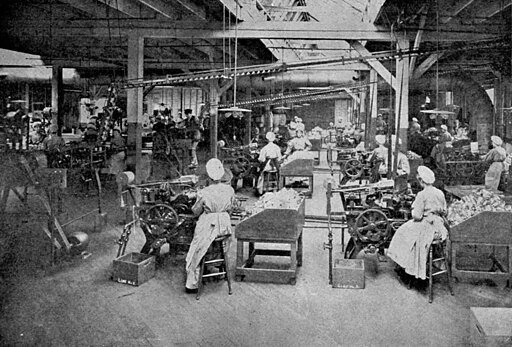
In the 1880s, as factories swelled from small shops to massive industrial complexes, the owner-operator could no longer see every corner of the floor. The solution was the creation of a new class of worker.
Don't just read history. Change your future.
History is a mirror
What does it show you about your leadership?
Every manager navigates a different terrain. Identifying your style is the first step to finding your steady next move.
Modern friction requires modern maps
Explore the complete collection of 70+ digital toolkits. From difficult conversation scripts to promotion readiness maps, find the exact tool you need to solve your current challenge.
Your Implementation Engine
Stop managing by accident. Access high-impact tactical maps in the Map Makers Room designed to be implemented this week to steady your team and restore coordination.