



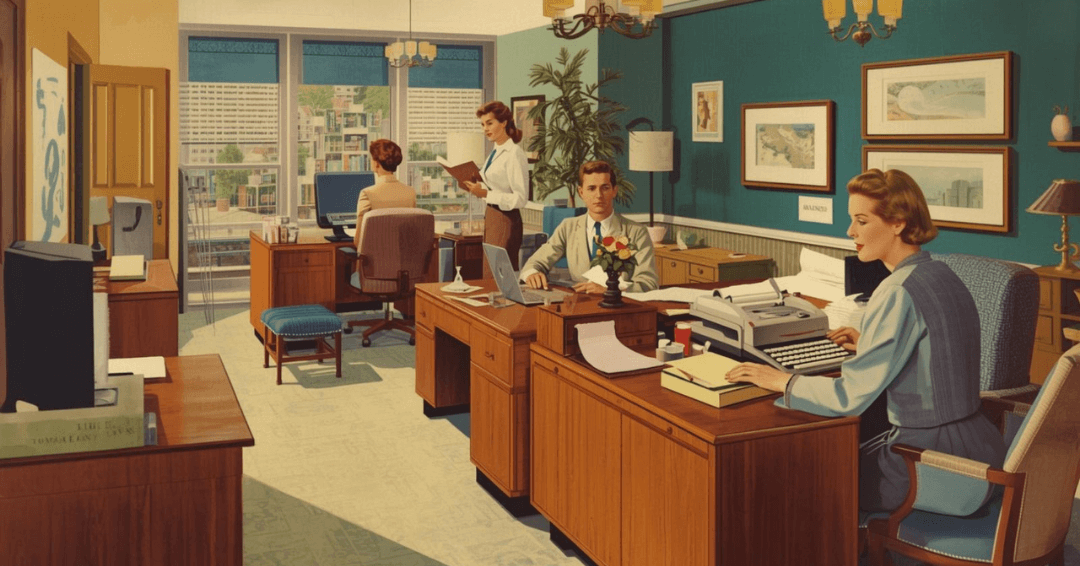
The 100-Day Clock: Why "Culture Fit" is a Tribal Firewall
Before the rise of modern HR, the settling-in period was a high-stakes gamble. In the age of Scientific Management, every second was accounted for. A new employee was a disruption to the flow.

The Paymaster’s Secret: Why Your Salary History is a 100-Year-Old Trap
In 1919, the staff at Vanity Fair was handed a memorandum that would feel like a threat to the modern manager. It forbade employees from discussing their salaries. In response, writers like Robert Benchley and Dorothy Parker didn't just complain; they walked into the office with their salaries written on signs hanging from their necks.
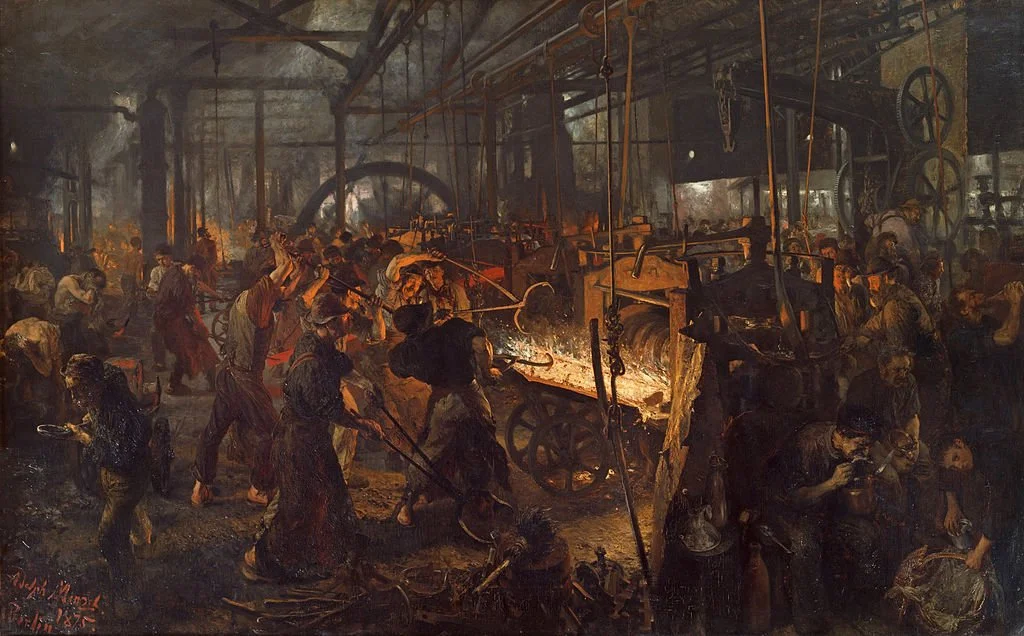
47 Tons of Iron and a Stopwatch
In 1911, the office stopped being a place of craft and became a place of math. With the publication of Frederick Taylor’s Principles of Scientific Management, the "knack" of the individual worker was replaced by the cold precision of the stopwatch. Managers were no longer mentors; they were functional foremen tasked with ensuring that every human movement mirrored a machine’s gear.
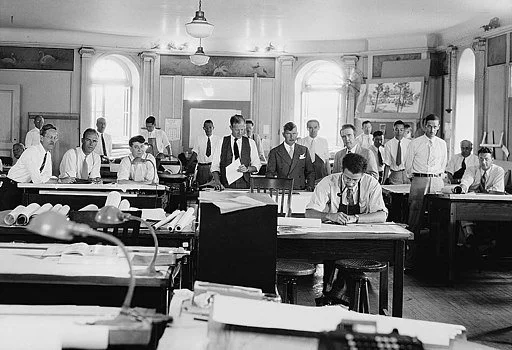
The Open Office 1.0 and the Illusion of Together
In the 1900s, German managers removed office walls to increase collaboration. They called it office landscaping. What they actually built was a surveillance system disguised as teamwork. We're still using the same blueprint today.
Don't just read history. Change your future.
History is a mirror
What does it show you about your leadership?
Every manager navigates a different terrain. Identifying your style is the first step to finding your steady next move.
Modern friction requires modern maps
Explore the complete collection of 70+ digital toolkits. From difficult conversation scripts to promotion readiness maps, find the exact tool you need to solve your current challenge.
Your Implementation Engine
Stop managing by accident. Access high-impact tactical maps in the Map Makers Room designed to be implemented this week to steady your team and restore coordination.