


The History of Work
Every management theory
on this shelf was invented
to solve someone else's problem.
In someone else's century.
We are still using them. The org chart, the performance review, the chain of command — all of it designed for a world that no longer exists. The History of Work traces where these ideas came from, what problems they were actually built to solve, and why applying them today produces exactly the friction you keep running into.
The map was never drawn for you in the first place.
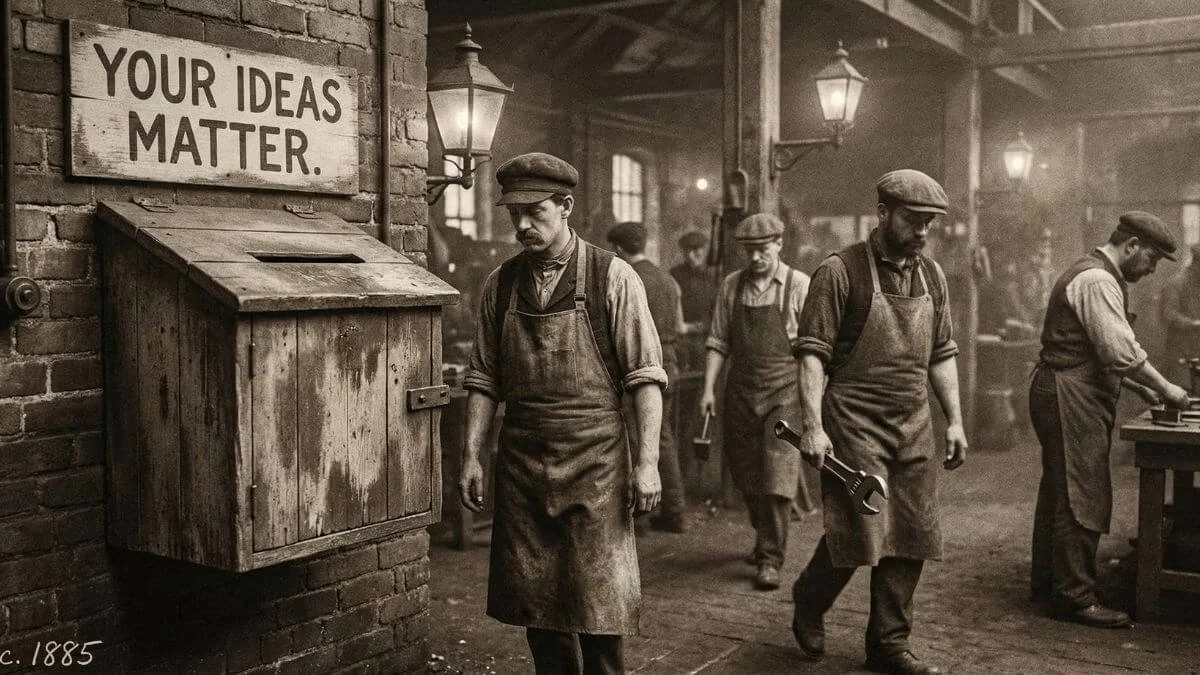
The Suggestion Box and the Theater of Listening
In 1880, companies introduced suggestion boxes to show they valued worker input. But the boxes weren't about listening. They were about performing participation while maintaining total control. Explore how this history connects to modern feedback theater and the Together™ pathway in Leadership Cartography.
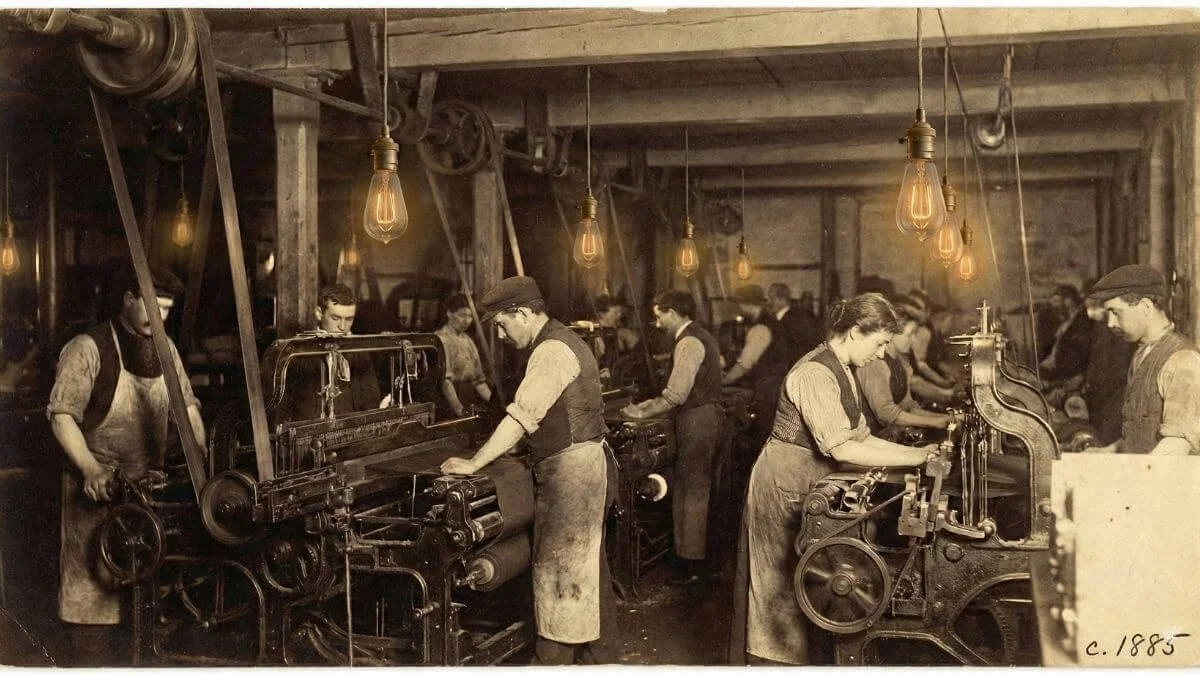
Night Shifts and the End of Natural Rest
Electric light erased the natural boundary between work and rest. This history of work explores how managers inherited 24-hour expectations we were never built to sustain.
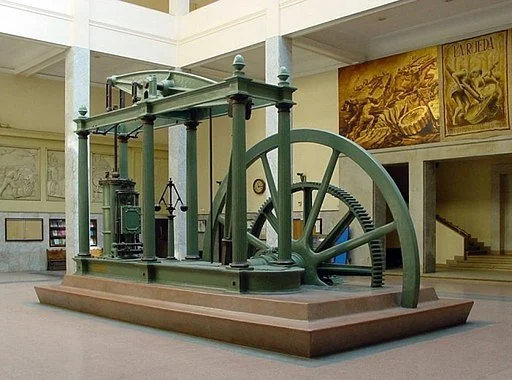
The Steam Engine: The Day Work Stopped Following the Sun
In 1781, James Watt patented a steam engine that produced rotary motion. This allowed factories to move away from riverbanks and into the heart of the city. More importantly, it allowed work to happen twenty-four hours a day.
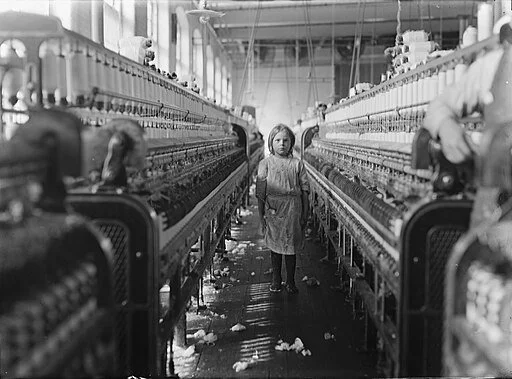
The End of Child Labor: When We Traded Hands for Minds
In the late 19th century, children were the ideal industrial workers. They were small enough to crawl under moving looms to clear jams and compliant enough to accept wages that were a fraction of an adult's pay.