


The History of Work
Every management theory
on this shelf was invented
to solve someone else's problem.
In someone else's century.
We are still using them. The org chart, the performance review, the chain of command — all of it designed for a world that no longer exists. The History of Work traces where these ideas came from, what problems they were actually built to solve, and why applying them today produces exactly the friction you keep running into.
The map was never drawn for you in the first place.
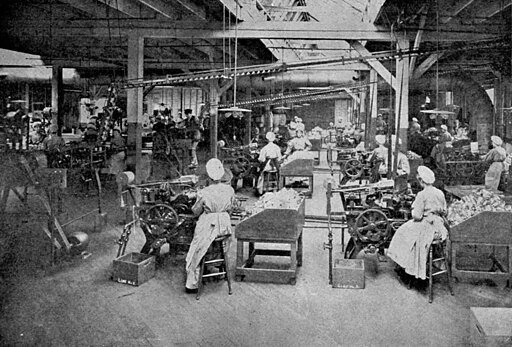
The First Foreman: When Watching People Became a Job
In the 1880s, as factories swelled from small shops to massive industrial complexes, the owner-operator could no longer see every corner of the floor. The solution was the creation of a new class of worker.
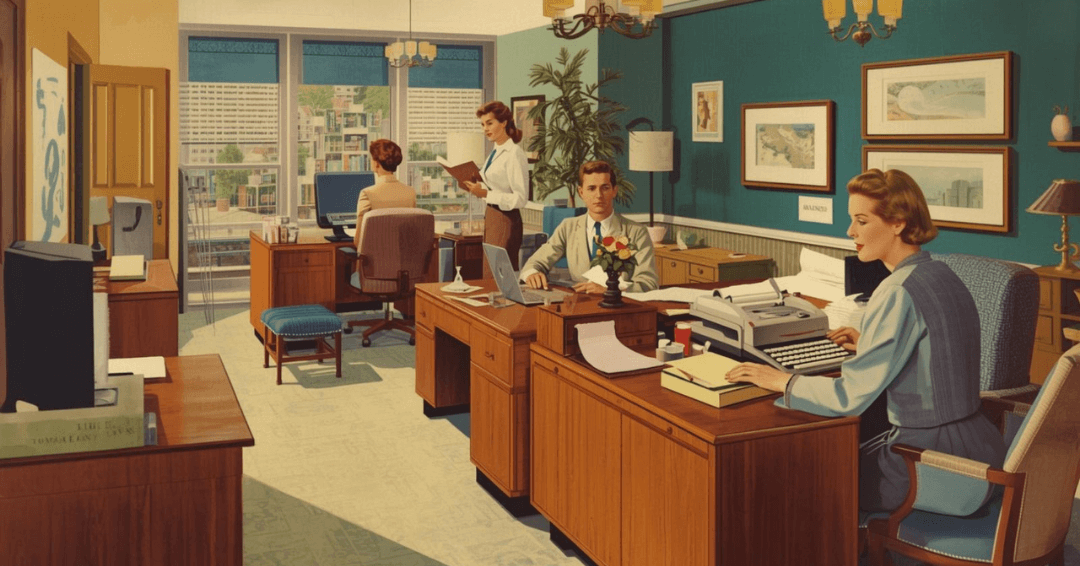
The 100-Day Clock: Why "Culture Fit" is a Tribal Firewall
Before the rise of modern HR, the settling-in period was a high-stakes gamble. In the age of Scientific Management, every second was accounted for. A new employee was a disruption to the flow.

The Paymaster’s Secret: Why Your Salary History is a 100-Year-Old Trap
In 1919, the staff at Vanity Fair was handed a memorandum that would feel like a threat to the modern manager. It forbade employees from discussing their salaries. In response, writers like Robert Benchley and Dorothy Parker didn't just complain; they walked into the office with their salaries written on signs hanging from their necks.
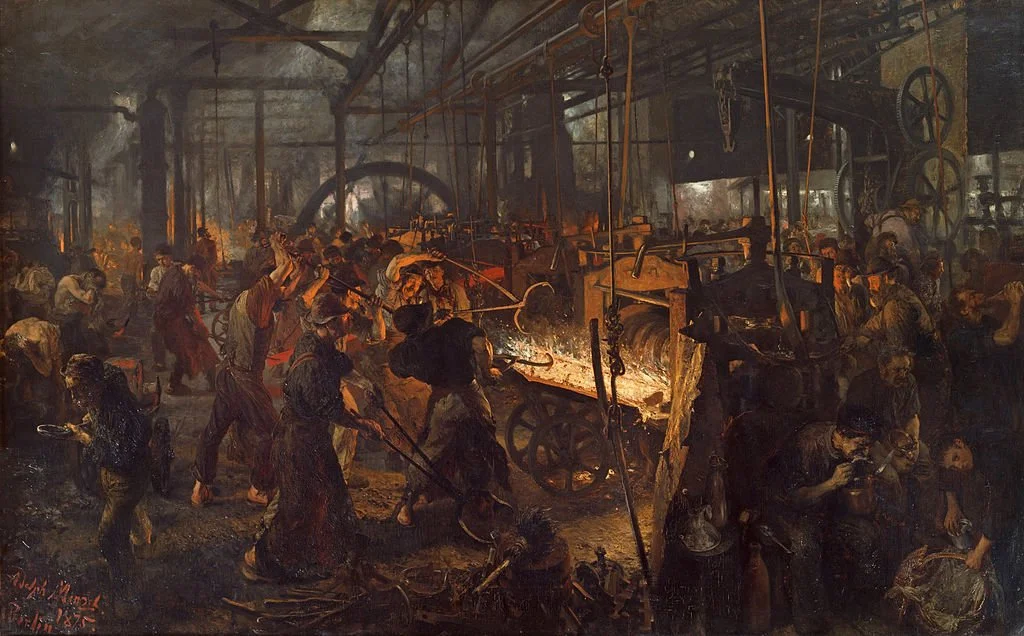
47 Tons of Iron and a Stopwatch
In 1911, the office stopped being a place of craft and became a place of math. With the publication of Frederick Taylor’s Principles of Scientific Management, the "knack" of the individual worker was replaced by the cold precision of the stopwatch. Managers were no longer mentors; they were functional foremen tasked with ensuring that every human movement mirrored a machine’s gear.