


The History of Work
Every management theory
on this shelf was invented
to solve someone else's problem.
In someone else's century.
We are still using them. The org chart, the performance review, the chain of command — all of it designed for a world that no longer exists. The History of Work traces where these ideas came from, what problems they were actually built to solve, and why applying them today produces exactly the friction you keep running into.
The map was never drawn for you in the first place.
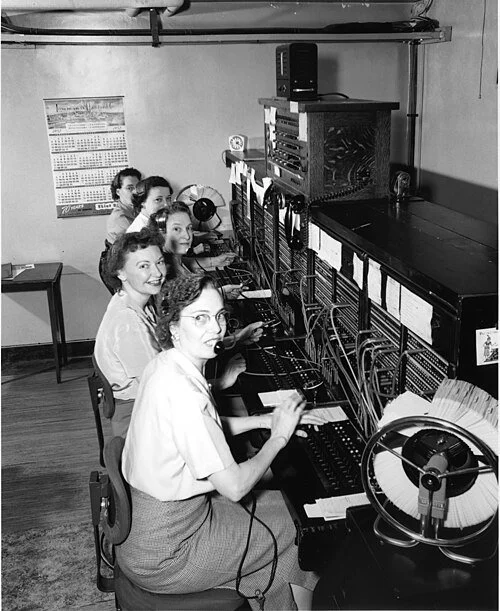
The Switchboard and the Illusion of Connection
In 1878, every telephone call required an operator who could hear your conversation, delay your connection, or refuse to patch you through. The telephone didn't create direct communication. It created a permission structure.
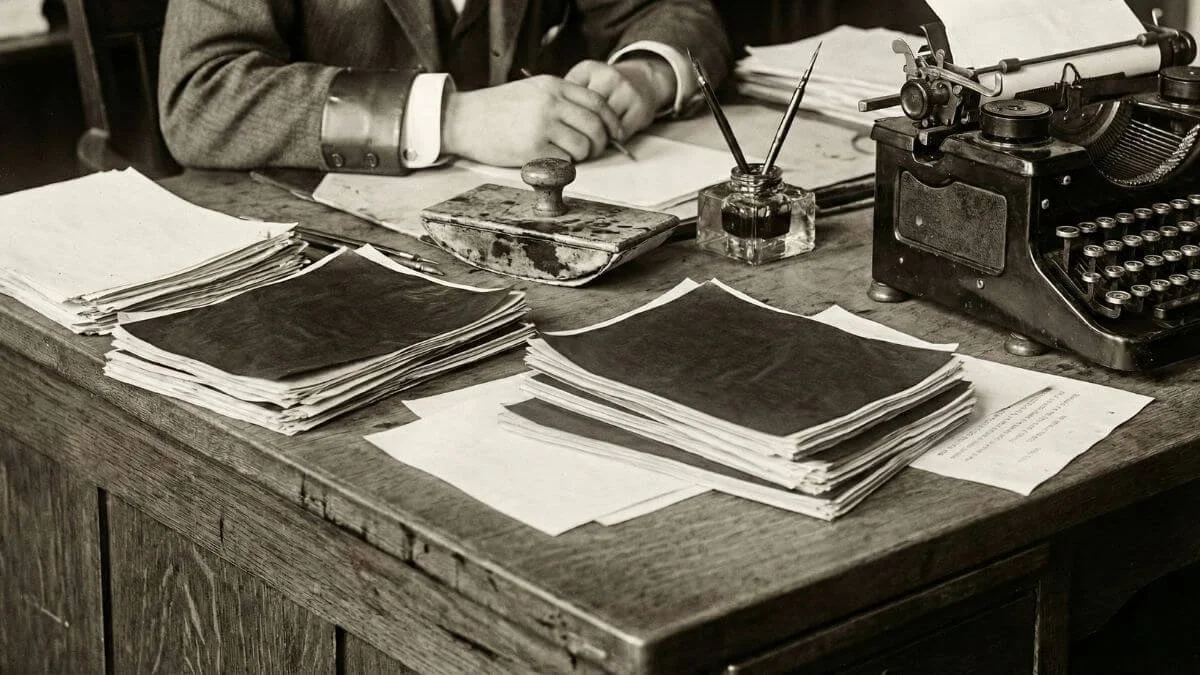
The Carbon Copy Clerk: Why We Still Use 1806 Management Logic
In 1806, Ralph Wedgwood patented carbon paper to solve a problem of distance. Before then, every contract and invoice was rewritten by hand, inviting errors and disputes. Wedgwood’s messy, ink-coated sheets created a synchronized truth.
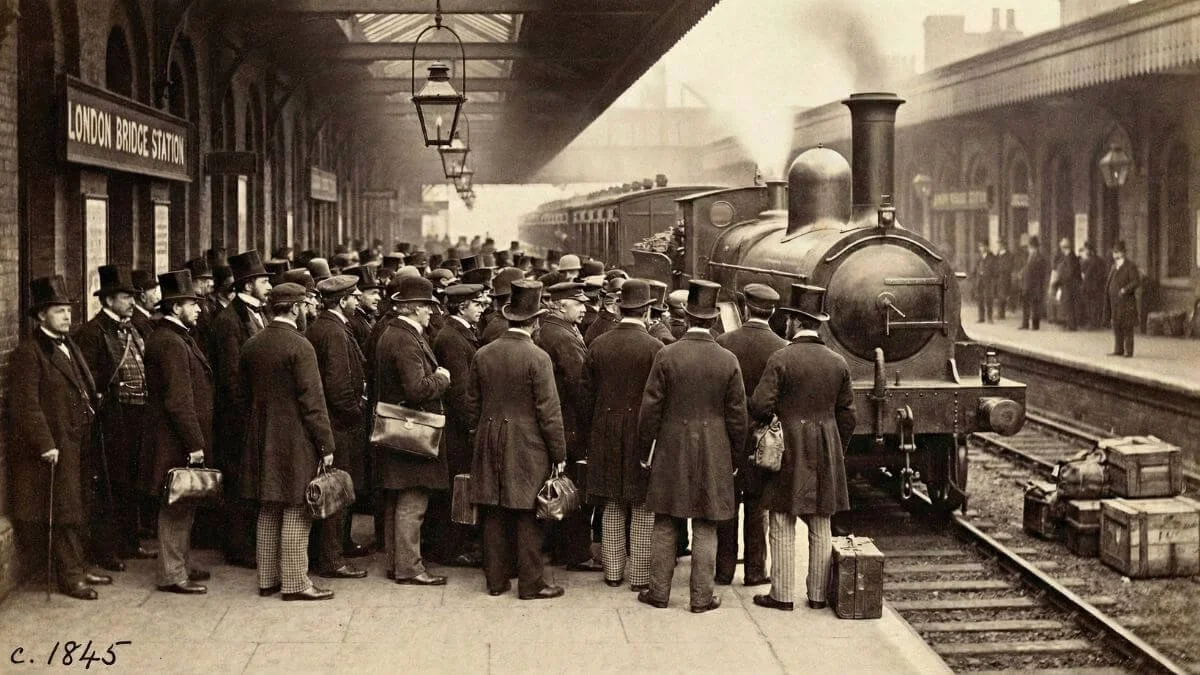
The Commute and the Unpaid Journey to Work
The commute started in the 1840s as unpaid time that extended the workday. Support™ leaders still manage that hidden cost through hybrid scheduling and exceptions.
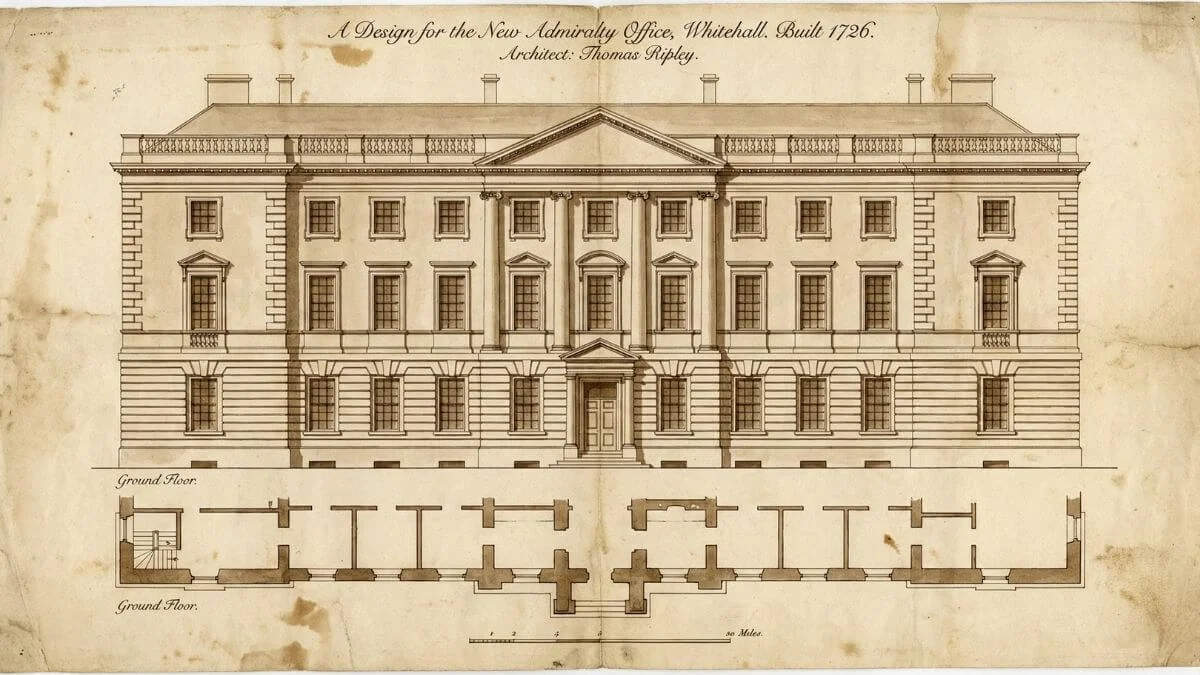
The First Office and the Architecture of Accountability
The first office was built to centralize and supervise clerks. Modern management still operates inside architecture designed for visibility, not collaboration.