
Personnel Departments Weren't Built to Help You
The 1900 Invention That Still Controls Your Career
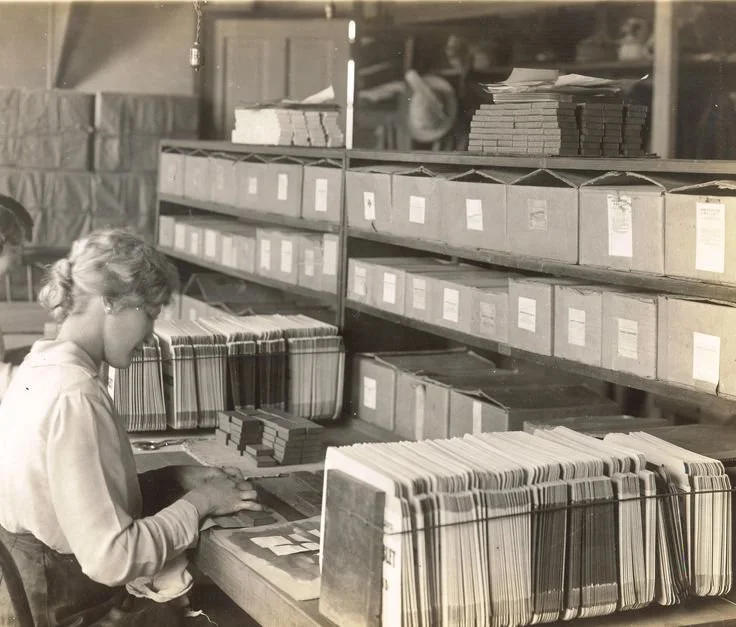
The Origin of Human Resources
In 1900, the B.F. Goodrich Company created the first "Employment Department" to centralize hiring and firing. Contrary to modern perception, these departments were not built for employee support; they were structural tools designed to prevent unionization and document "troublemakers" through centralized record-keeping. Today, this legacy manifests as an institutional focus on risk management rather than leadership development.
The Necessity of Control
Before 1900, hiring happened at the factory gate. Foremen chose workers from the crowd each morning, often based on personal relationships or bribes. While this created chaos, it also gave skilled workers power. If a foreman treated you poorly, you could walk to another factory gate. If your entire shop was unhappy, you could organize a strike that shut down production in hours. The decentralized system was inefficient for owners, but it gave workers leverage.
The Employment Department changed that. By centralizing hiring, firing, and record-keeping, companies could finally track "troublemakers." They could blacklist union sympathizers and create the illusion of fairness through paperwork. The role of the Personnel Clerk was born. Their purpose was not to advocate for the worker, but to document them.
The Job: The Personnel Clerk
The Personnel Clerk sat in a small office near the main gate, surrounded by filing cabinets. Their primary tool was the "Employee Record Card"—an index card that followed a worker from hire to termination.
On this card, the clerk recorded:
Production rates: How fast you worked compared to the machine.
Absences: Every minute you were late or sick.
Attitude: A subjective note on whether you were compliant or disruptive.
If you complained about safety, it went on the card. If you attended a labor meeting, it went on the card. The Foreman, who used to hire at will, now had to submit requests to Personnel. This wasn't about fairness; it was about creating a paper trail to protect the company in court. The Personnel Clerk became the gatekeeper of economic survival.
The Modern Correlation: The Support™ Pathway
Today, we call it Human Resources, but the DNA remains the same. HR still sits between the manager and the employee, maintaining digital files that influence performance reviews and promotion decisions.
In Leadership Cartography™, we look at this through the Support™ Pathway. True support is about providing the resources and emotional steadiness a team needs to navigate friction. However, most organizational support systems are actually still functioning as 1900s Personnel Departments. They are designed to protect the system from the individual, rather than protecting the individual within the system.
If you have ever felt like HR is handling you instead of helping you, it's because the function was invented to do exactly that. Modern People Operations departments talk about employee experience, but the underlying goal remains institutional risk management. Your Slack messages, your email tone, and your culture fit are the new version of the index card.
Many managers accidentally operate as mini-Personnel Clerks. They keep mental files on who is difficult or not a team player to protect themselves from feedback. But real leadership transformation happens when you stop documenting people for the sake of the record and start building systems that actually allow them to succeed.
If every people strategy meeting you attend requires approval from a department built for institutional protection, are you actually leading a team, or are you just the latest version of the clerk maintaining a 125-year-old control system?

1️⃣ Identify Your Terrain: Are you documenting your team or developing them?
2️⃣ Equip Your Team: Stop being the institutional gatekeeper. Grab the Manager's Coaching Packto build trust without surveillance.
3️⃣ Sustain the Transformation: Join The Map Drawer™ to get monthly tools that help you lead with clarity instead of control.