
Managing Difficult Stakeholders: A Guide to Influencing Without Authority
Difficulty with stakeholders who outrank you is often misinterpreted as a personality clash or a confidence gap when it's usually a structural condition. You're responsible for the outcome while someone above you owns the decision, and they never hear the reasoning behind your recommendation. Most managers respond by explaining more and preparing more, or they move the work forward out of view, in hopes of flying under the radar. Each of those routes protects the you in the moment while giving them more reason to question how it gets done. Without a structure that makes judgment visible, managers keep defaulting to defense and paying for it in trust.
For years, one of the steepest parts of my own leadership was relating to other people's power. I rarely felt as though I was standing on equal ground, even when my experience and expertise belonged in the conversation.
The story I made up about it was that my boss and I must not have enough trust in the relationship. I expected him to take my word that I'd thought through the consequences and knew what I was doing. When he questioned a recommendation, I got defensive before the conversation had a chance to go anywhere. His questions didn't feel like normal scrutiny; they felt like proof that he didn't trust my expertise.
So I pushed harder, explained myself badly, and found ways to get things done behind the scenes, because I'd already decided his questions meant distrust. That protected the work in the moment, and it gave him more reason to question how I operated. The work got done, but he rarely saw the thinking behind it, and my workarounds made me look less collaborative than I was.
I knew the business, but what I hadn't learned yet was how to use the authority I'd already been given without waiting for someone more powerful to tell me it was okay.
If you manage anything real, you may have a version of this, whether it's a stakeholder whose questions hit an old nerve or an executive whose shifting priorities keep your team in continuous rework. You know the work and you are accountable for the outcome, and still you spend three days preparing for a ten-minute conversation, because something in you is already braced for the fight that hasn't happened yet.
Why does influencing without authority keep going wrong?
The friction is built into the structure before you say a word, and four conditions produce most of it.
Responsibility and authority sit in different places. The system assigns you the outcome and assigns someone else the decision. You're accountable for results you can't authorize, which means every meaningful move requires convincing someone whose incentives and pressures differ from yours. This gap is a design feature of middle management, and it rarely gets said out loud.
Questions have no agreed meaning. Nothing between you establishes what a question is for. When your stakeholder asks why you chose this vendor, that can be due diligence or it can be doubt, and nothing in the relationship tells you which. So you decide based on history, yours and theirs, which is why two managers can hear the same question and walk out of the meeting with two completely different conclusions.
The reasoning has no place to be seen. Your company tracks status and decisions. Nothing tracks the thinking behind them: the options you rejected, the risks you already accounted for. Your stakeholder sees your conclusion and nothing else, so they question it, and you hear the question as distrust.
The habits that protect you make it worse. Over-preparing, over-explaining, and working around people all started as smart responses to earlier jobs and earlier bosses. Here they read as defensiveness or going behind backs, which confirms the doubt and invites more scrutiny.
The cost compounds, because each round of question and defense leaves less trust for the next conversation to run on.
The useful first step is locating where this friction sits for you.
TERRAIN SURVEY: THE MANAGING UP ASCENT
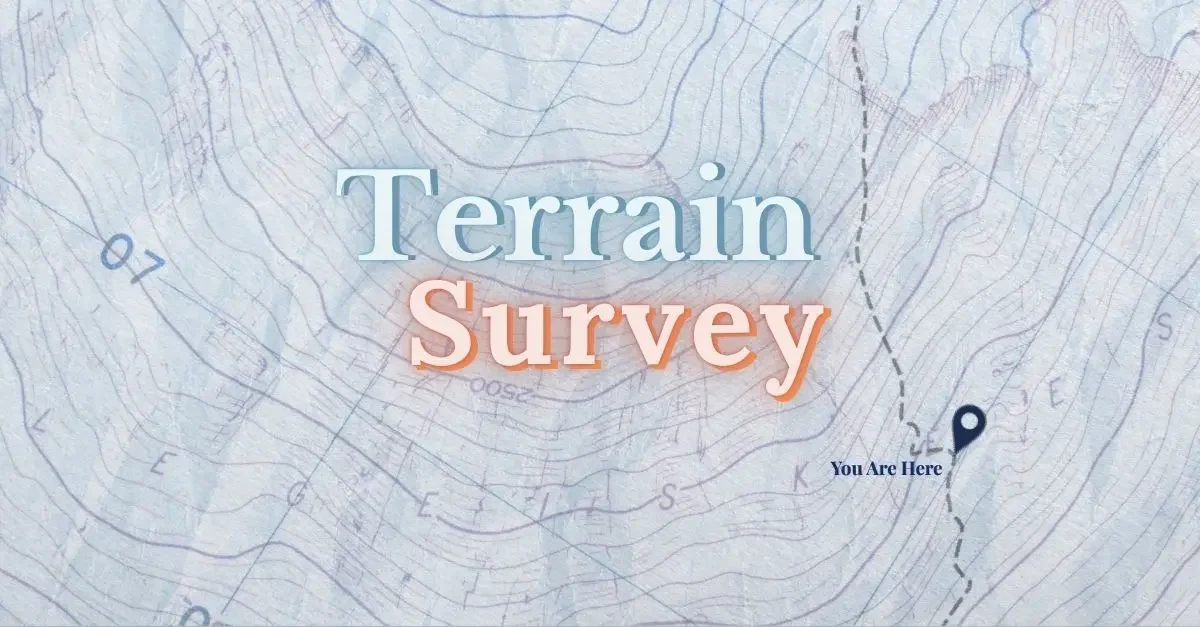
Influencing without authority breaks in four different places, and each one has a different fix, so the first step is knowing which one is yours.
Priority Whiplash. The direction above you changes faster than your team can deliver. You retool the plan, and by the time it lands, the target has moved again. The rework is exhausting, and the whiplash starts to look like your failure to execute.
Filter Friction. You're doing the work, and it doesn't translate upward. What you send up gets compressed or lost, and what leadership hears isn't what you meant. The filter between you and them distorts more than it carries.
The Advocacy Gap. You know the real status, but saying it plainly feels unsafe, so you soften it on the way up or keep it to yourself. The gap between what you know and what you can say keeps widening.
The Boundaries Gap. Requests keep crossing into your team's capacity, and yes has become the default. Every no feels like it will cost standing you can't afford to lose, so the boundary never gets set.
If more than one of these feels familiar, the question is which one is running this season. Where is the friction sharpest right now?
What you're feeling isn't a gap in your ability; it's a gap in the structure. The system gave you responsibility for outcomes without building a place where your judgment can be seen and trusted, so every recommendation has to earn its standing from zero. The terrain has conditions, the conditions have names, and the first step is locating which one you're standing on.
The survey does the locating, and the map below shows the wider ground.
What does influence look like when you can't pull rank?
It comes down to whether the person with power can see your reasoning before they're asked to trust your conclusion. The Equal Ground Route moves through four phases.
Phase 1: Read the ground (week 1). Purpose: figure out how much of your reaction belongs to this person and how much comes from bosses you had before. Key move: before the next hard conversation, ask what this person has actually done versus what you're bracing for out of habit. What shifts: you answer the question that was asked instead of the one it reminded you of.
Phase 2: Surface the judgment (weeks 2 and 3). Purpose: show your reasoning before anyone has to ask for it. Key move: when you make the recommendation, include the options you rejected and why. What shifts: there's less blank space for doubt to fill, and the stakeholder reviews your thinking instead of auditing you.
Phase 3: Set the terms (weeks 3 and 4). Purpose: make the working agreement explicit. What questions mean, who decides what, when updates happen. Key move: one conversation that puts decision rights and update rhythm on the record. What shifts: a question inside an agreed structure is just process, and it stops feeling personal.
Phase 4: Work in the open (ongoing). Purpose: use the authority you already have, where people can see it. Key move: drop the workarounds, even when the direct route feels riskier. What shifts: your judgment builds a track record, and a track record is what makes powerful people stop re-checking you.
This is slower than a workaround, and it's also the only version where trust builds instead of resetting.
The hardest part of stakeholder friction is what it does to how you see yourself. A capable manager, questioned often enough, starts pre-loading every conversation with defense. Over time, the defensiveness gets read as the problem, and the original structural gap disappears from view entirely.
This is why the terrain matters more than the technique. Leadership Cartography treats friction as information about where you're standing, and it stops short of turning it into a verdict about you. The same manager, with the same instincts, has a different experience under a stakeholder whose questions have agreed meaning than under one whose questions can mean anything. The person didn't change; the ground did.
My own version of this only shifted when I understood that the authority had already been given to me. The harder work was learning to trust my own judgment enough to use it in full view. The stakeholders stayed as demanding as ever, and I stopped waiting for permission I didn't need.
RELATED READING
Managing Up to Your VP or CEO: A Practical Guide
How to Say No to Your Boss Without Damaging Your Reputation
When Your Boss Is the Bottleneck: Why Managing Up Feels Impossible
When the Map is Blurry at the Top, Staying Silent Hides the Cliff
If three days of preparing for a ten-minute conversation sounds familiar, the Source Assessment shows you where that bracing comes from. Discover your pathway.