


The History of Work
Every management theory
on this shelf was invented
to solve someone else's problem.
In someone else's century.
We are still using them. The org chart, the performance review, the chain of command — all of it designed for a world that no longer exists. The History of Work traces where these ideas came from, what problems they were actually built to solve, and why applying them today produces exactly the friction you keep running into.
The map was never drawn for you in the first place.
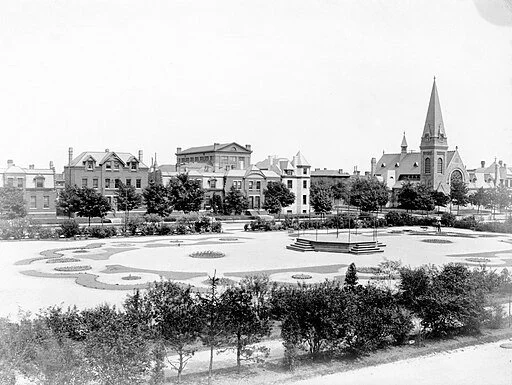
The Company Town and the Architecture of Total Provision
In 1880, George Pullman built an entire town for his workers. Decades later, Gilchrist, Oregon, was founded in 1938 and operated as a company town until 1991. In these places, the employer was also the landlord, the grocer, and the teacher.
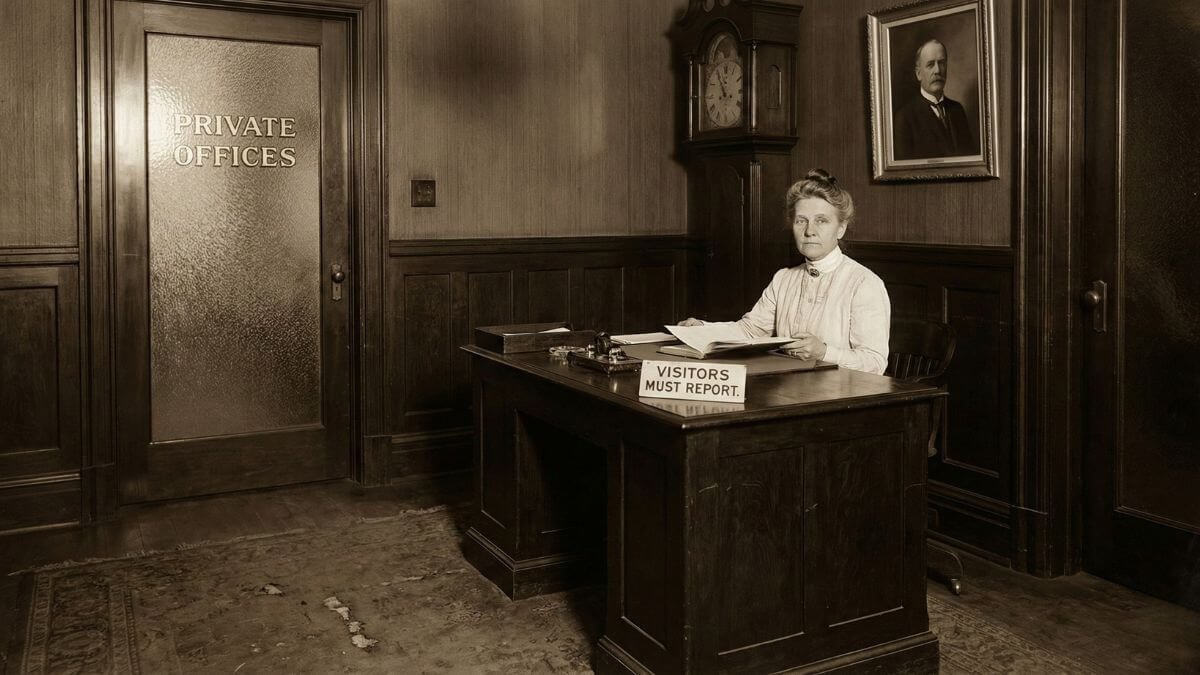
The Receptionist and the Performance of Protection
In the 1890s, the receptionist wasn't a greeter; they were a human filter. Discover how this legacy of "protective support" is currently creating a development trap for your team.
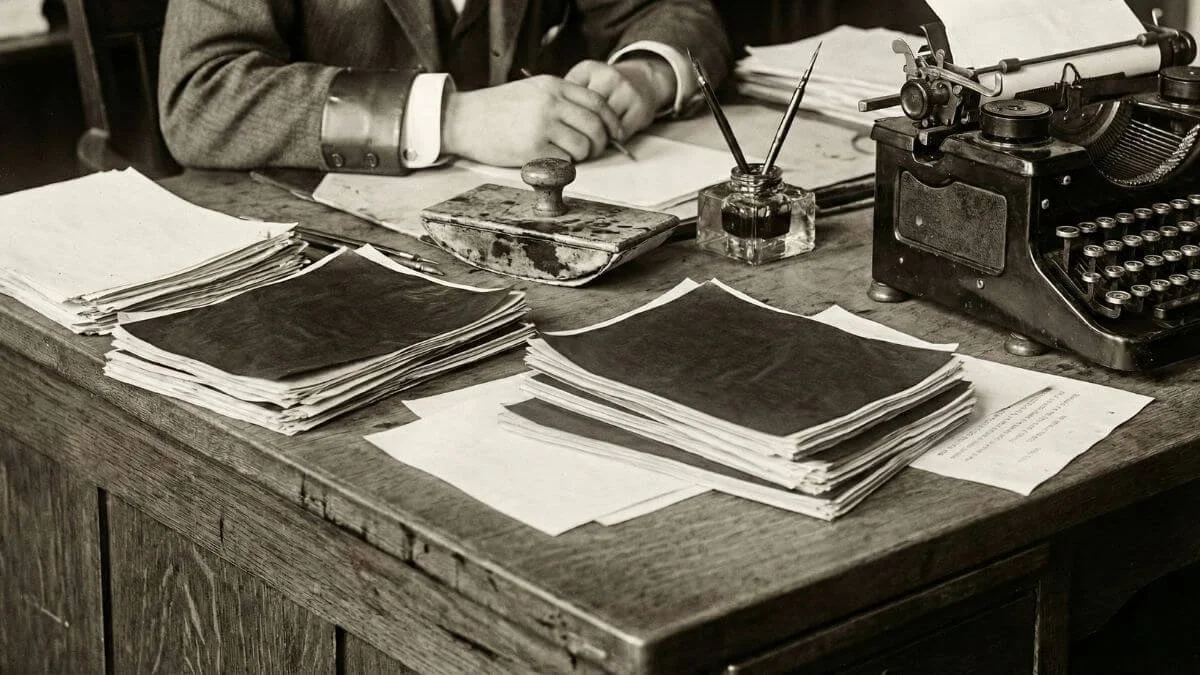
The Carbon Copy Clerk: Why We Still Use 1806 Management Logic
In 1806, Ralph Wedgwood patented carbon paper to solve a problem of distance. Before then, every contract and invoice was rewritten by hand, inviting errors and disputes. Wedgwood’s messy, ink-coated sheets created a synchronized truth.
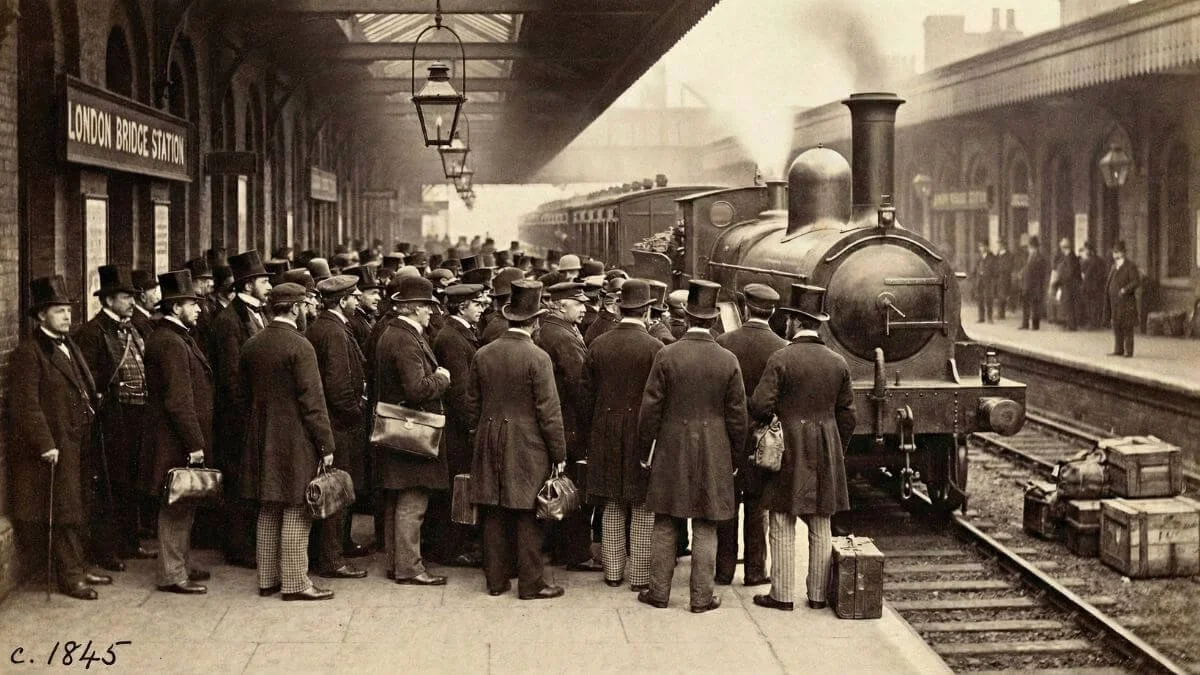
The Commute and the Unpaid Journey to Work
The commute started in the 1840s as unpaid time that extended the workday. Support™ leaders still manage that hidden cost through hybrid scheduling and exceptions.