


The History of Work
Every management theory
on this shelf was invented
to solve someone else's problem.
In someone else's century.
We are still using them. The org chart, the performance review, the chain of command — all of it designed for a world that no longer exists. The History of Work traces where these ideas came from, what problems they were actually built to solve, and why applying them today produces exactly the friction you keep running into.
The map was never drawn for you in the first place.
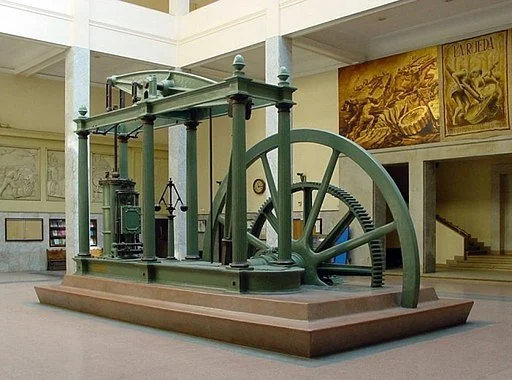
The Steam Engine: The Day Work Stopped Following the Sun
In 1781, James Watt patented a steam engine that produced rotary motion. This allowed factories to move away from riverbanks and into the heart of the city. More importantly, it allowed work to happen twenty-four hours a day.
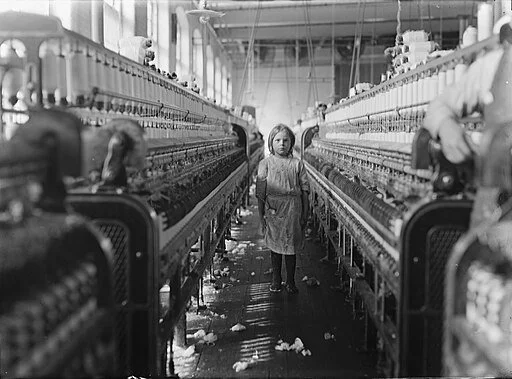
The End of Child Labor: When We Traded Hands for Minds
In the late 19th century, children were the ideal industrial workers. They were small enough to crawl under moving looms to clear jams and compliant enough to accept wages that were a fraction of an adult's pay.
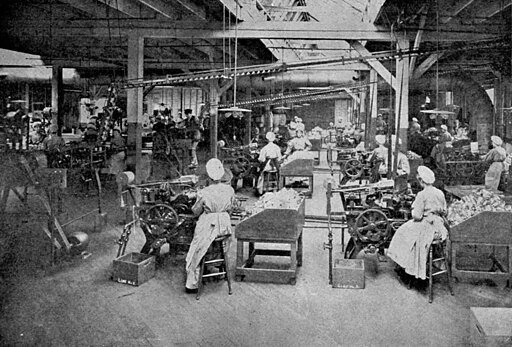
The First Foreman: When Watching People Became a Job
In the 1880s, as factories swelled from small shops to massive industrial complexes, the owner-operator could no longer see every corner of the floor. The solution was the creation of a new class of worker.
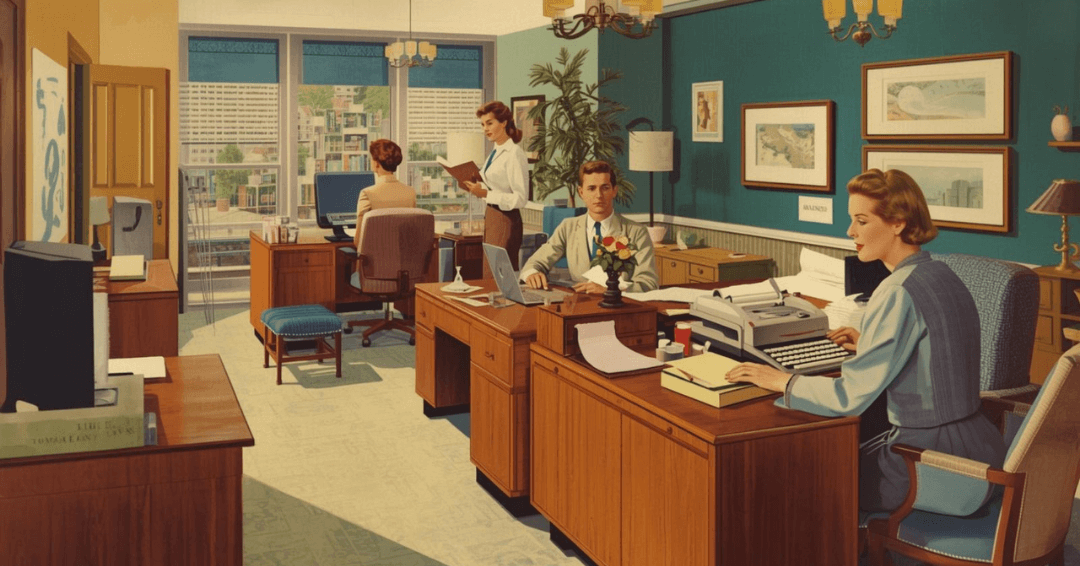
The 100-Day Clock: Why "Culture Fit" is a Tribal Firewall
Before the rise of modern HR, the settling-in period was a high-stakes gamble. In the age of Scientific Management, every second was accounted for. A new employee was a disruption to the flow.