


The History of Work
Every management theory
on this shelf was invented
to solve someone else's problem.
In someone else's century.
We are still using them. The org chart, the performance review, the chain of command — all of it designed for a world that no longer exists. The History of Work traces where these ideas came from, what problems they were actually built to solve, and why applying them today produces exactly the friction you keep running into.
The map was never drawn for you in the first place.
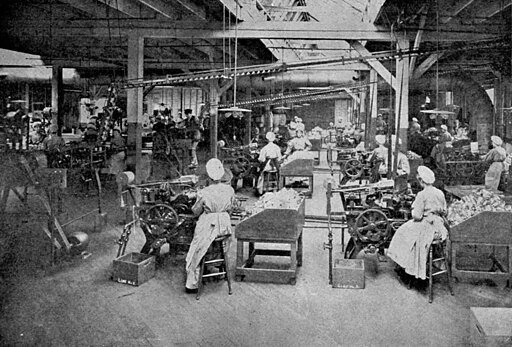
The First Foreman: When Watching People Became a Job
In the 1880s, as factories swelled from small shops to massive industrial complexes, the owner-operator could no longer see every corner of the floor. The solution was the creation of a new class of worker.
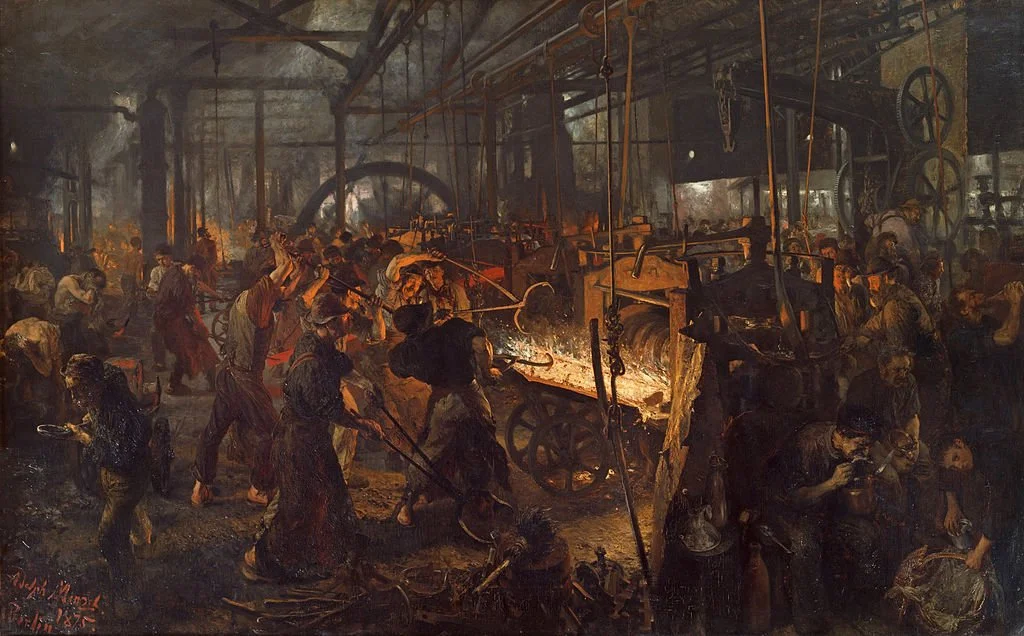
47 Tons of Iron and a Stopwatch
In 1911, the office stopped being a place of craft and became a place of math. With the publication of Frederick Taylor’s Principles of Scientific Management, the "knack" of the individual worker was replaced by the cold precision of the stopwatch. Managers were no longer mentors; they were functional foremen tasked with ensuring that every human movement mirrored a machine’s gear.
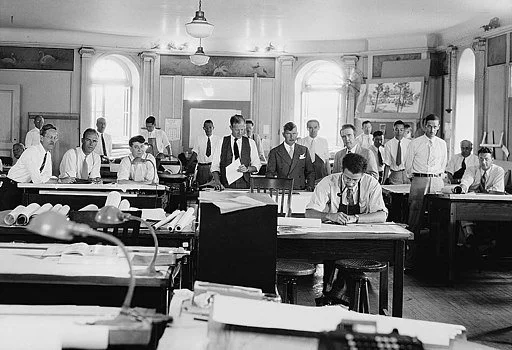
The Open Office 1.0 and the Illusion of Together
In the 1900s, German managers removed office walls to increase collaboration. They called it office landscaping. What they actually built was a surveillance system disguised as teamwork. We're still using the same blueprint today.
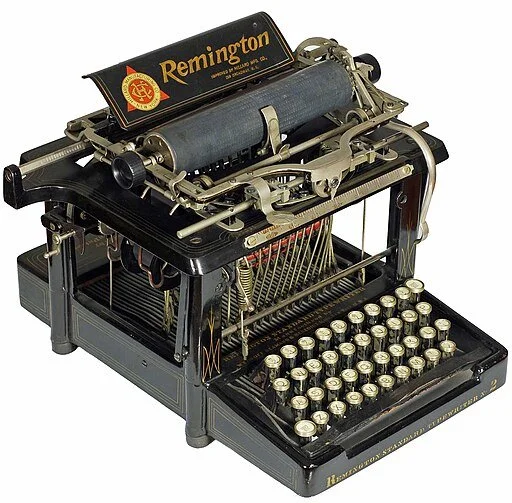
The QWERTY Keys and the System Built to Slow You Down
In 1873, the QWERTY keyboard was invented to slow typists down and prevent mechanical jams. Today, we still use this 150-year-old system designed for a problem that no longer exists. Are you leading with inherited systems or building ones that serve your team?