


The History of Work
Every management theory
on this shelf was invented
to solve someone else's problem.
In someone else's century.
We are still using them. The org chart, the performance review, the chain of command — all of it designed for a world that no longer exists. The History of Work traces where these ideas came from, what problems they were actually built to solve, and why applying them today produces exactly the friction you keep running into.
The map was never drawn for you in the first place.
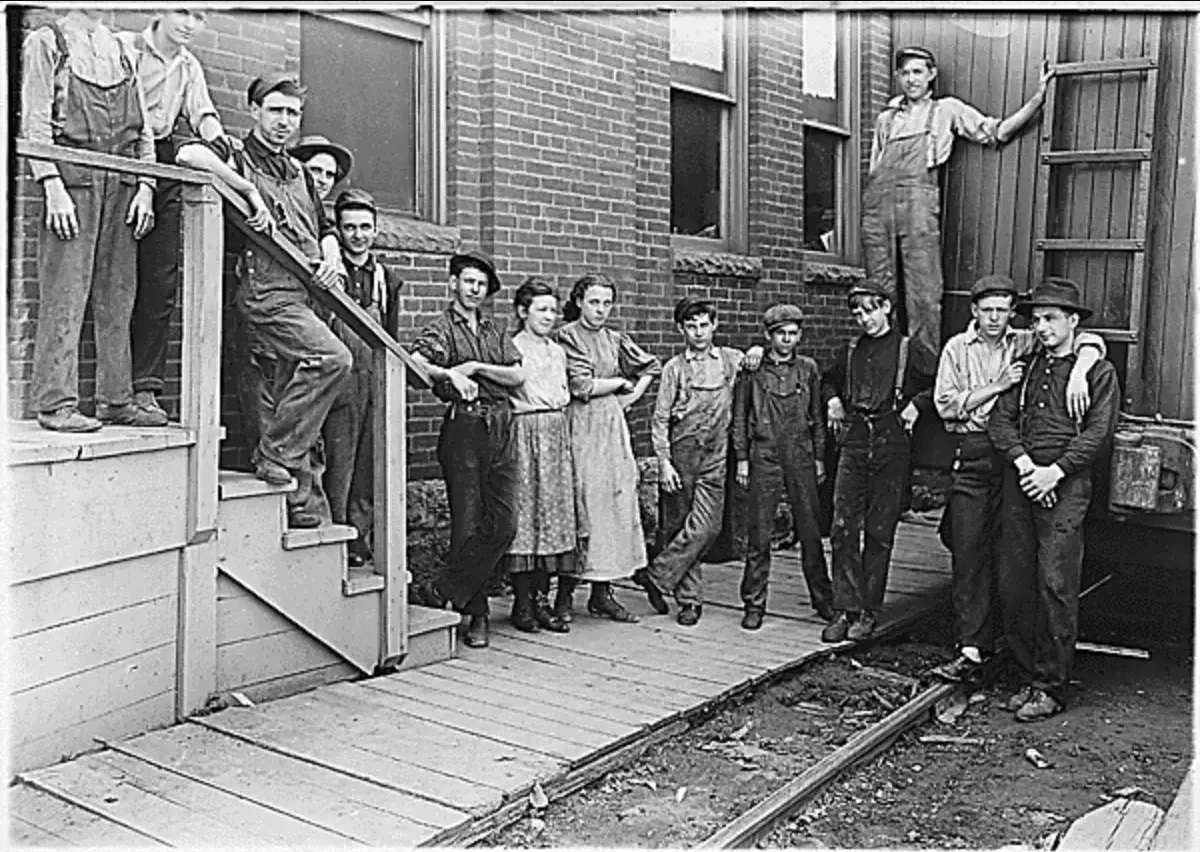
History of Vacation Time: When Rest Became Work Policy
When vacation time spread in the early twentieth century, it did not arrive as a simple act of care. Employers learned to justify rest once exhaustion started damaging output, stability, and retention. That older logic still shapes modern leadership, especially for managers who protect recovery for everyone else while treating their own as negotiable.
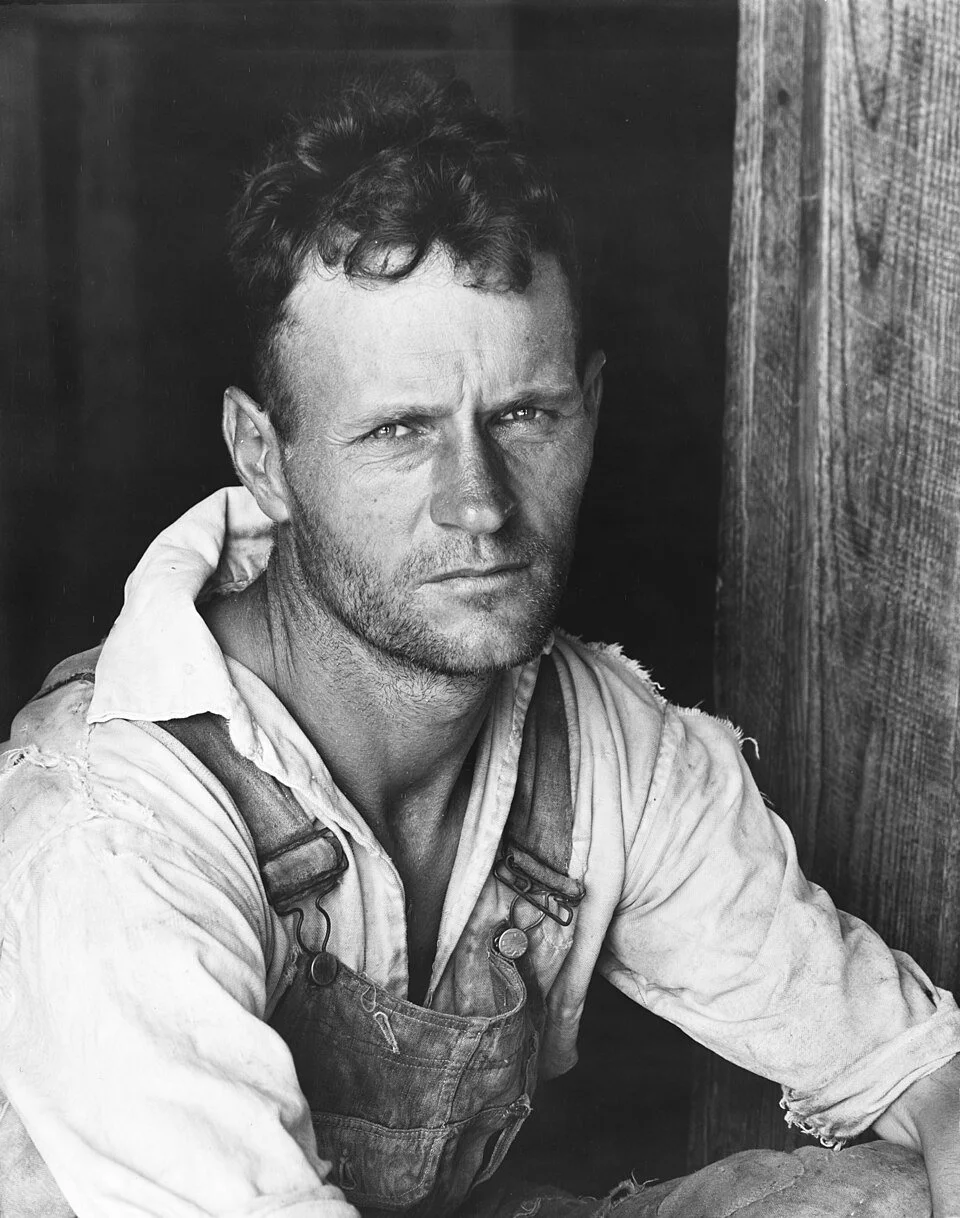
The Uniform of Belonging Beyond Blue and White: The Persistent Language of Work Clothes
In the 1880s, a factory worker couldn't walk into a restaurant that served clerks. Not because of any rule posted on the door. Because of what he was wearing.

The Invention of the Interchangeable Person: Why Your Job Description is a Ceiling
When corporations grew too large for relationships, they invented job descriptions to ensure no one was indispensable. Discover why your modern role is actually a 100-year-old ceiling.
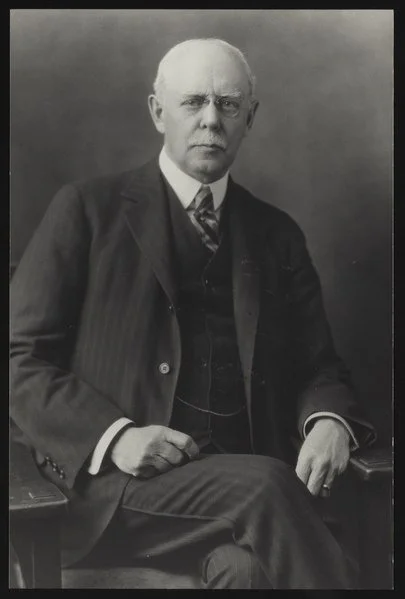
The First Consultant and the Outsourcing of Thinking
The consultant is the ultimate byproduct of low-trust environments. When you hire an outside firm to validate what your own staff already knows, you are participating in a cycle of intellectual laundering. You are paying a third party to supply the courage your own system lacks.