


The History of Work
Every management theory
on this shelf was invented
to solve someone else's problem.
In someone else's century.
We are still using them. The org chart, the performance review, the chain of command — all of it designed for a world that no longer exists. The History of Work traces where these ideas came from, what problems they were actually built to solve, and why applying them today produces exactly the friction you keep running into.
The map was never drawn for you in the first place.

The Invention of the Interchangeable Person: Why Your Job Description is a Ceiling
When corporations grew too large for relationships, they invented job descriptions to ensure no one was indispensable. Discover why your modern role is actually a 100-year-old ceiling.
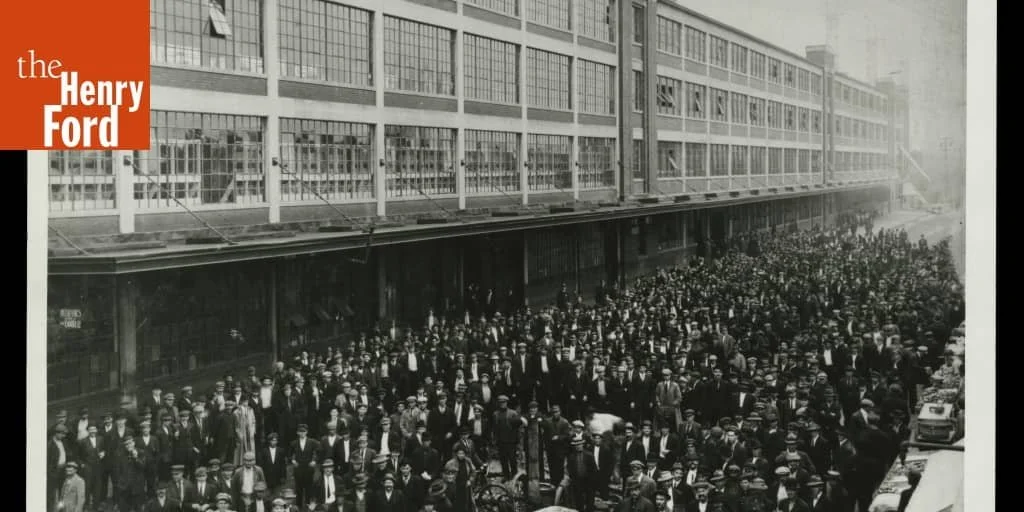
The $5 Day and the Price of Your Personal Life
In January 1914, Henry Ford announced he would pay his assembly line workers $5 a day. The fine print didn't make the headlines. Workers still earned $2.34 in wages. The additional $2.66 required passing inspection by Ford's newly created Sociological Department, which showed up at your home unannounced to evaluate your marriage, your kitchen, and whether your wife had the nerve to hold a job. If you're a Purpose™ pathway leader who wants work to mean something, you've inherited Ford's bargain in a form so subtle it looks like culture.
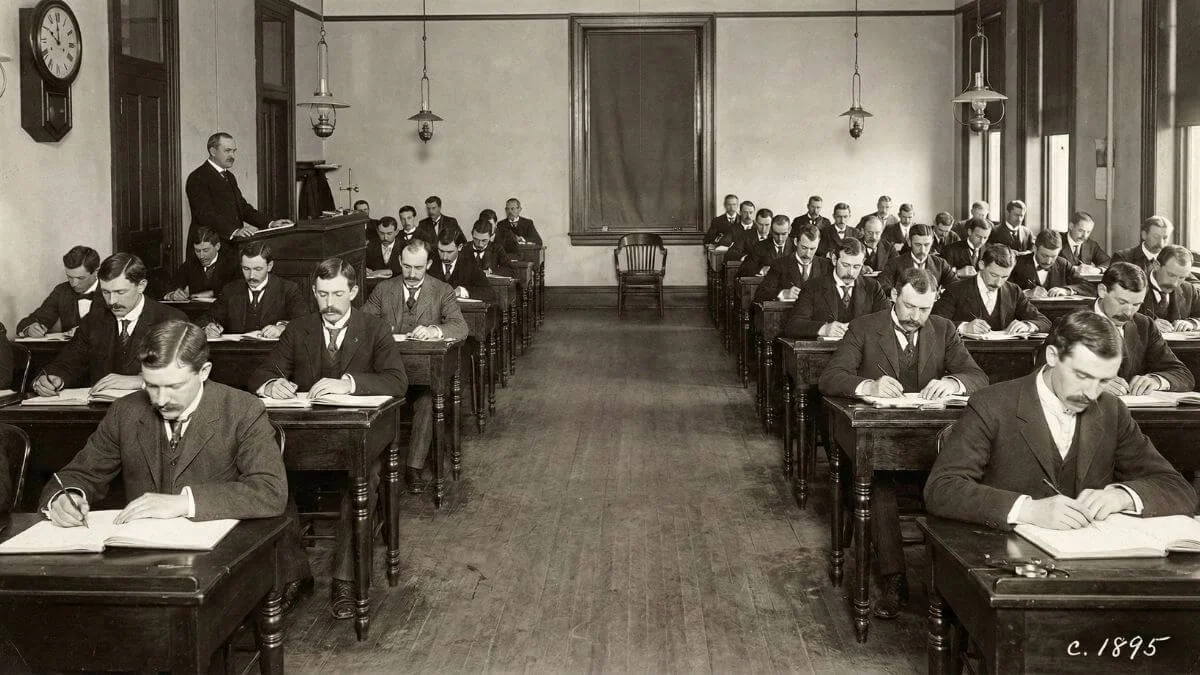
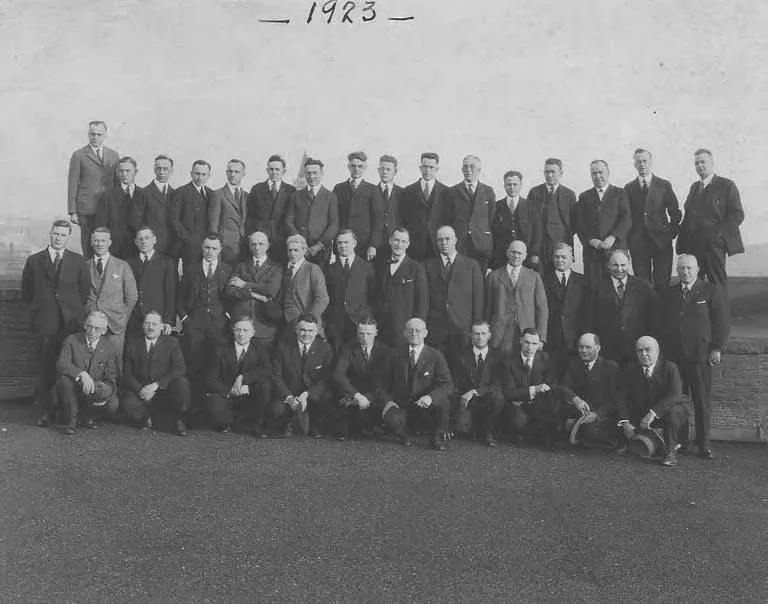
Golden Handcuffs and the Price of Loyalty
When companies faced a turnover crisis in the 1920s, they didn't offer better wages or conditions. They invented something far more clever: the pension plan that made leaving feel impossible.