
The Uniform of Belonging Beyond Blue and White: The Persistent Language of Work Clothes
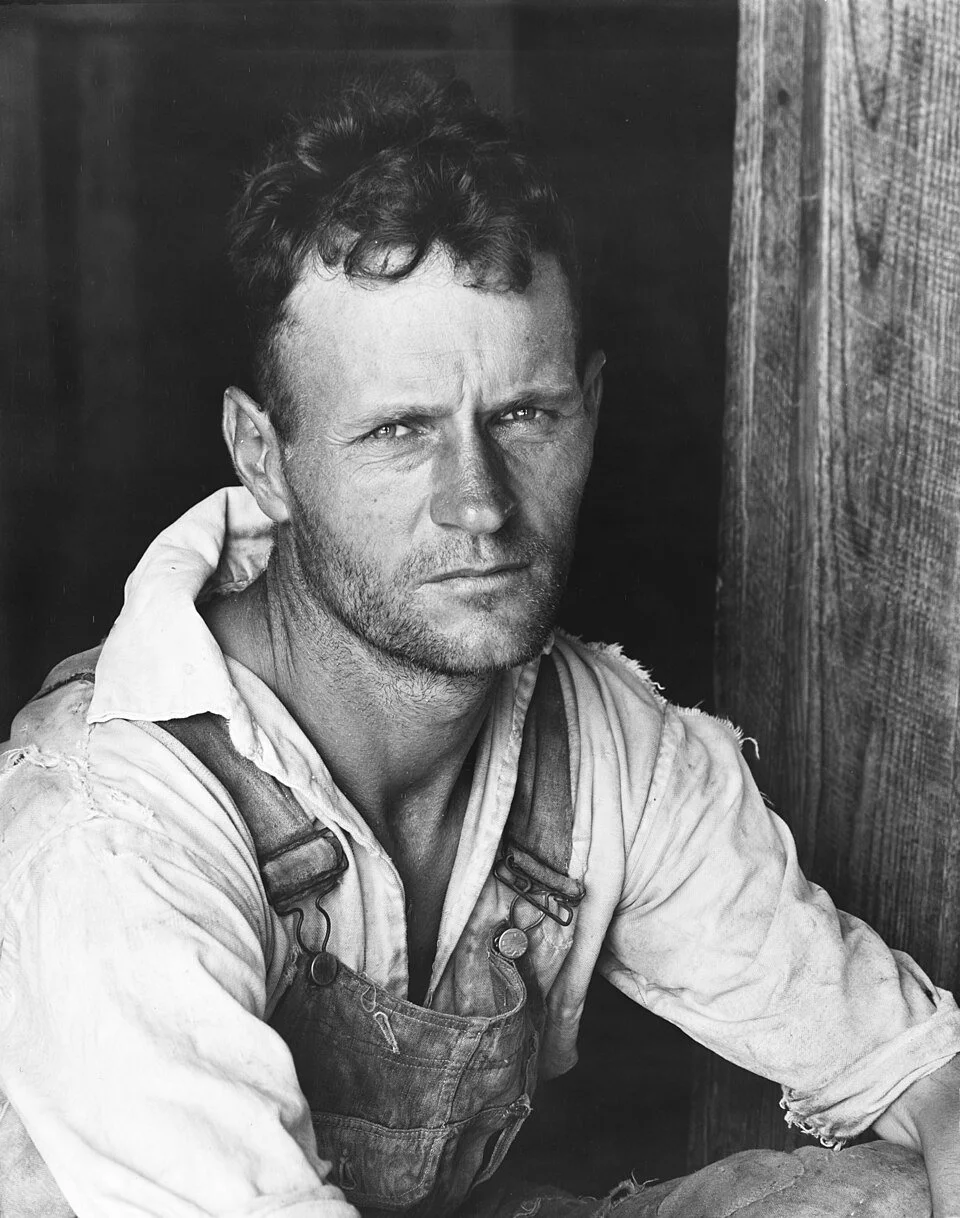
A worker did not have to say what he did for a living. His shirt had already said it. Blue collar history begins with work clothes, but the real story is class recognition. In factories, garages, mills, fields, and machine shops, durable blue clothing became associated with manual labor because it could withstand dirt, grease, residue, and physical work. White collars belonged to offices, to clerks, to managers, to people whose work did not soil their cuffs. The clothing was functional. It was also social. It told the room who handled the machinery and who handled the paperwork. The visual divide was already forming before the language hardened around it. Industrial work created bodies that carried evidence. Dust. Oil. Sweat. Wear. Office work created a different performance. Clean collars. White cuffs. The body still worked, but it worked behind a desk, where cleanliness could be mistaken for status.
What did blue collar clothing mean in the 1880s?
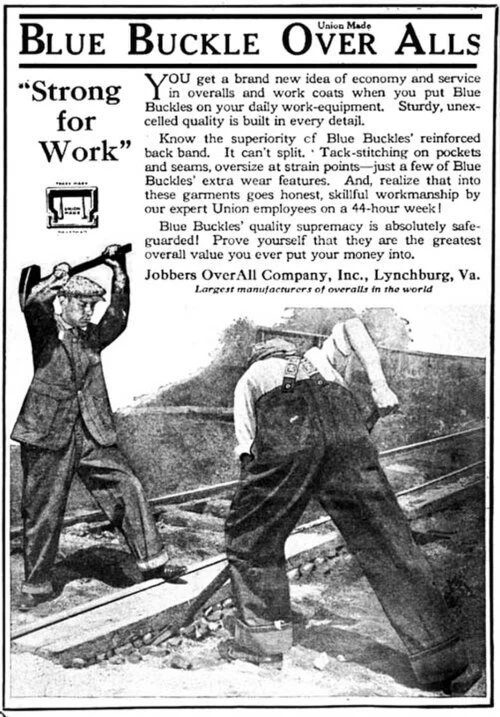
In 1880, the average manufacturing workday was almost exactly ten hours. Many workers labored six days a week. The clothes had to survive that world. Workers wore heavy shirts, canvas trousers, overalls, caps, and sturdy boots because the work was physical and the workplace was unforgiving. Blue and dark fabrics hid dirt better than white cloth. They also made the worker legible as someone whose labor happened close to machines and far from the office door. A blue work shirt protected the worker’s body from industrial life. It also marked him as a laborer before anyone asked his name.
What was the job of the factory worker?
The factory worker entered a place organized around output, repetition, and physical endurance. The job could involve tending machines, moving materials, assembling parts, loading goods, or performing one task for long hours inside a larger production system. Machinery did not care whether a worker was tired. Production schedules did not care whether a worker's hands ached. The clothing followed the hazards. Caps kept hair contained. Heavy fabric gave some protection from abrasion. Sturdy boots made standing possible across long shifts. These were not fashion choices. They were survival choices. But once the worker left the factory, the clothes kept speaking. The shirt that made sense beside a machine became a social marker on the street. The worker's class position became visible before his character, skill, intelligence, or dignity could enter the conversation. The white collar carried a different message. Office workers wore their collars and cuffs as badges of aspiration. The garment signaled distance from manual labor, from dirt, from machines, and from public evidence of exhaustion.
How did work clothes become a sorting system?
The clothing did more than describe the job. It shaped assumptions about intelligence, ambition, education, and belonging. Blue collar became attached to a body that produced. White collar became attached to a body that administered. The factory worker could be skilled, disciplined, and essential. The office clerk could be underpaid and trapped inside his own hierarchy. The clothing flattened both. One looked like labor. The other looked like advancement.
Why does this still matter at work?
Most workplaces no longer separate people by blue work shirts and white collars in the same obvious way. But clothing still sorts people before the meeting starts. Tech has a uniform. Hoodies, sneakers, jeans, branded fleece. Consulting has a uniform. Pressed shirts, polished shoes, controlled casualness. None of these rules need to be written down. The room teaches them. This is the Leadership Cartography systems issue: clothing may begin as function, but it becomes a belonging signal when a workplace uses appearance to decide who seems credible, serious, collaborative, or "one of us." In the Together™ pathway, the modern cost appears when teams believe they are building collaboration while visible signals keep sorting people before the work begins. The engineer reads the button-down as corporate performance. The sales lead reads the hoodie as immaturity. The finance lead reads the casual clothes as carelessness. No one has to say it. The clothing has already started the meeting. You can design collaboration into every org chart. But if the room still decides who belongs by what people look like when they enter, the uniform is still doing work the org chart cannot see. The visible uniform of belonging never disappeared. It just learned to look like culture fit.
If work clothes once sorted people by class before they spoke, and your workplace still reads credibility through appearance before contribution, are you building a team, or are you preserving an older sorting system with better language?
If the system you have been managing inside is starting to feel more familiar than you would like, identify your legacy and take the quiz.

Related Reading
Sources
Atack, Jeremy, and Fred Bateman. "How Long Was the Workday in 1880?" The Journal of Economic History, 1992. Lepore, Jill. "Away from My Desk." The New Yorker, May 5, 2014. Martin, Lou. "The Origins of White Collar vs. Blue Collar." ADP ReThink Quarterly, January 20, 2023. Whaples, Robert. "Hours of Work in U.S. History." EH.net Economic History Association. Investopedia. "Blue-Collar vs. White-Collar Jobs: What's the Difference?" Smithsonian Magazine. "How 19th-Century Activists Ditched Corsets for One-Piece Long Underwear." National Gallery of Art. "Dressing for Dinner in the Gilded Age."