
When personality became something management wanted to sort
How a wartime personality test became a hiring habit, and what it costs the people being read.
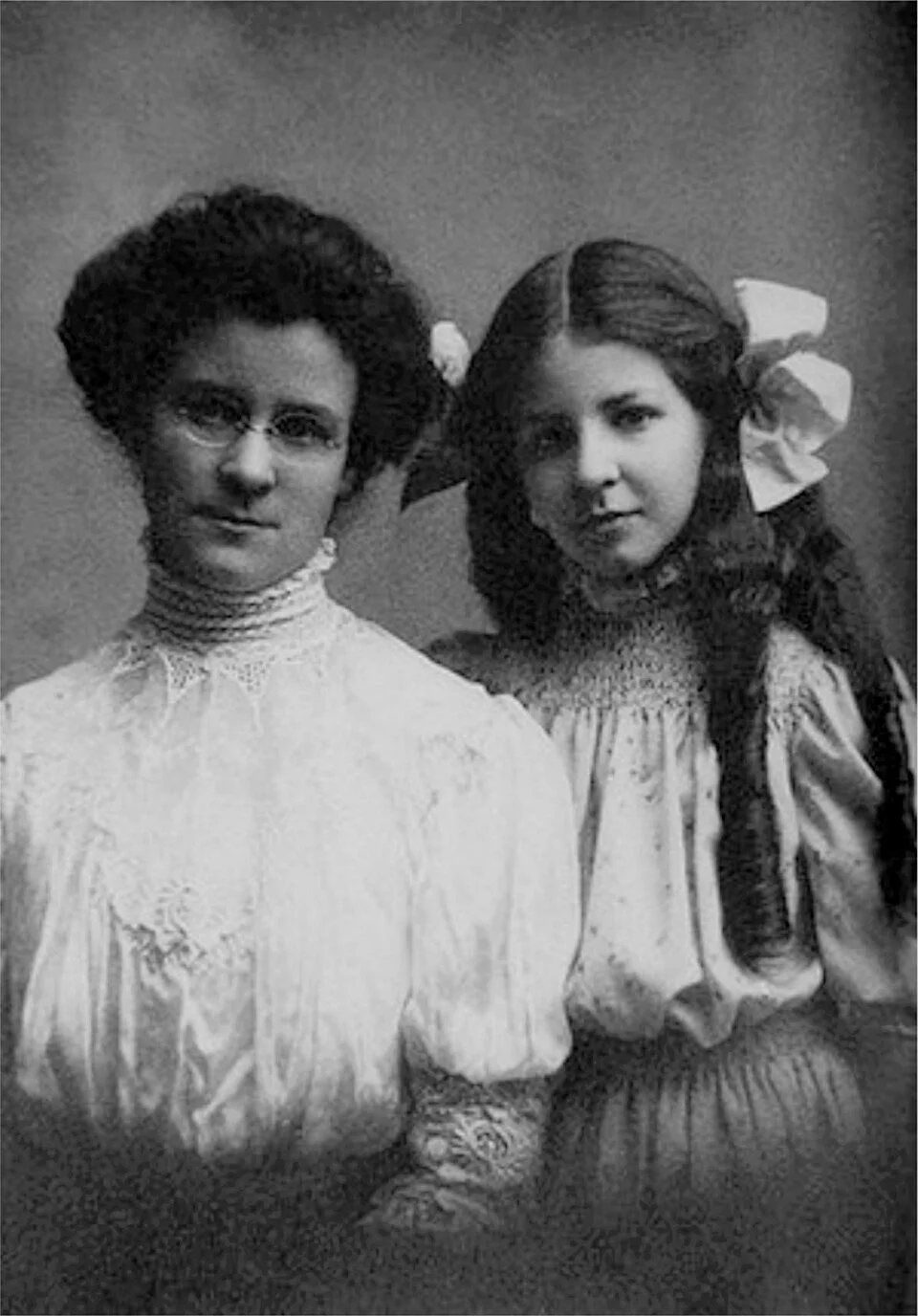
Cook (left) with her daughter Isabel in an early 20th century photograph. Courtesy of Katharine Myers, Public domain, via Wikimedia Commons
A four-letter code can settle how a hiring manager reads you before you have done a single day of the work.
That code has a wartime origin. The Myers-Briggs Type Indicator first appeared in 1942, built by Katharine Cook Briggs and her daughter Isabel Briggs Myers out of Carl Jung's theory of psychological types. They took Jung's 1921 book Psychological Types and turned it into something an institution could use at scale: a questionnaire, four letters, a result. The promise was that human difference could be sorted into categories and managed at scale.The timing was not an accident. American institutions in the war years were placing huge numbers of people into work that had to happen fast, and they wanted a way to read a person before committing to them. Personality testing had already moved into industry after World War I, when the psychological tools built to screen soldiers were repurposed to screen job applicants. The early industrial versions looked for the worker who might turn out unstable or disruptive. By the 1940s, employers were no longer satisfied with skill. They wanted fit and temperament as a signal that a person would settle into the system before the system spent anything on them.
JakeBeech, CC BY-SA 3.0 <https://creativecommons.org/licenses/by-sa/3.0>, via Wikimedia Commons
What was the Myers-Briggs Type Indicator built to do?
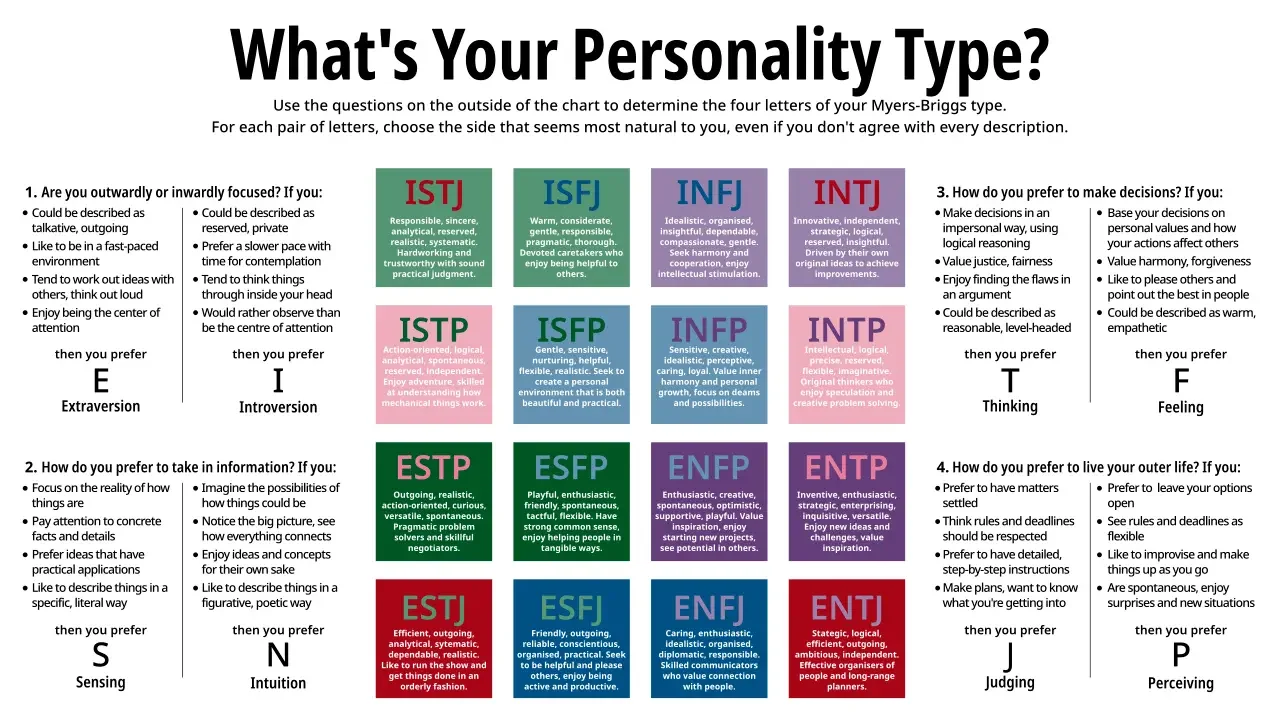
Katharine Briggs had studied personality for years before industry had any use for it. Her daughter turned that study into an instrument during the war, built around preferences: how a person directs attention, takes in information, makes decisions, and organizes life. Jung had described those patterns. Myers and Briggs made them portable. A long theory became a short result that anyone in a personnel office could read in seconds.
What job did personality testing create?
The job was the personnel tester. This person rarely held the authority of a psychologist. The work lived inside personnel departments and the early human resources offices, and it looked clerical: hand out the forms, score the answers, file the results, pass the manager a shortened version of a human being, sorted into suitable or unsuitable, stable or unstable, practical or imaginative.The clerical surface hid real power. A candidate could walk in with experience, references, and the ability to do the job, and the test would add a second test on top of the first one. Now the candidate also had to match the organization's preferred idea of a person. Someone who interviewed well could still be filed as a risk. Someone who answered in the wrong pattern could be ruled out before anyone watched them work. The form gave a manager's preference the appearance of evidence.
How did personality become a hiring shortcut?
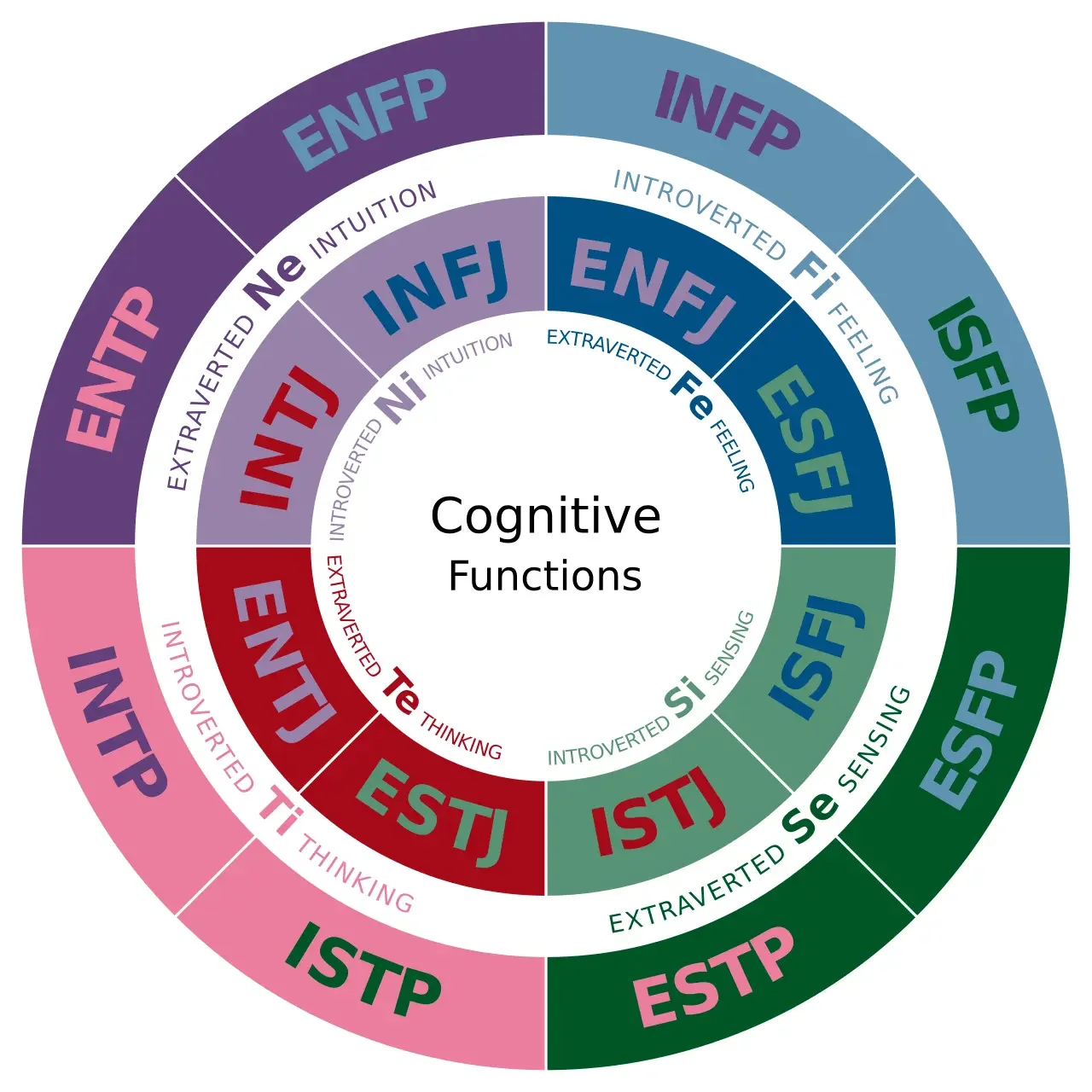
The Myers and Briggs Foundation now states plainly that the assessment should not be used for hiring selection. It describes preferences and tendencies. It was never built to predict whether someone can do a job.Hiring forces a high-stakes decision on incomplete knowledge, so the process keeps hunting for ways to make a person simpler to read. A resume compresses experience into titles. An interview compresses capability into performance under pressure. A personality test compresses preference into identity.This is the Leadership Cartography systems issue. The original tool gave language to preference. Inside a hiring process, that same language becomes a filter. The filter rewards the candidate who already resembles the organization, and whether that candidate can actually do the work turns into a secondary question.The Lead with Precision™ pathway lives right here. Precision leaders value clarity, repeatable inputs, and decision systems that take the guesswork out of judgment. In hiring, that instinct can build a process that feels fair because everyone takes the same assessment. The weakness is buried inside the measure itself. A test produces a result, and a result feels like proof. When the result does not predict performance, the label pulls a manager's attention away from the harder work of defining the role and watching how a person actually thinks in context.
Offnfopt, Public domain, via Wikimedia Commons
What does this leave inside the workplace?
It leaves a workplace full of people managing how they are read. Applicants learn to answer the way the role seems to want. Employees learn which traits get praised and lean toward them. Teams start explaining each other through type language, as if four letters could account for tension, pace, or a hard decision. The person shrinks to fit the code, and the code travels easily from one meeting to the next. Once a workplace has a label, it can stop asking better questions about the people inside it.
If a wartime tool turned human preference into a sorting language, and modern hiring still reaches for that kind of language to take the uncertainty out of people, are we choosing better candidates, or are we choosing the ones whose labels make the system feel safest?
Where does this land for you?
If the system you have been managing inside is starting to feel more familiar than you would like, the Leadership Map Source Assessment can help you name what you are working with. Identify Your Legacy

Related Reading
What Business Schools Are Missing in Their Leadership Assessment Layer
Personnel Departments: how the office that scored these tests was built for control before it was built for people.
Sources
The Myers-Briggs Company. Our Story.
The Myers-Briggs Company. History, Reliability and Validity of the Myers-Briggs Assessment.
Woods, R.A. and Hill, P.B. (2022). Myers-Briggs Type Indicator. StatPearls.
Gibby, R.E. and Zickar, M.J. (2008). A History of the Early Days of Personality Testing in American Industry: An Obsession with Adjustment. History of Psychology, 11(3), 164-184.
Myers and Briggs Foundation. Ethical Use of the MBTI Assessment.