


The History of Work
Every management theory
on this shelf was invented
to solve someone else's problem.
In someone else's century.
We are still using them. The org chart, the performance review, the chain of command — all of it designed for a world that no longer exists. The History of Work traces where these ideas came from, what problems they were actually built to solve, and why applying them today produces exactly the friction you keep running into.
The map was never drawn for you in the first place.
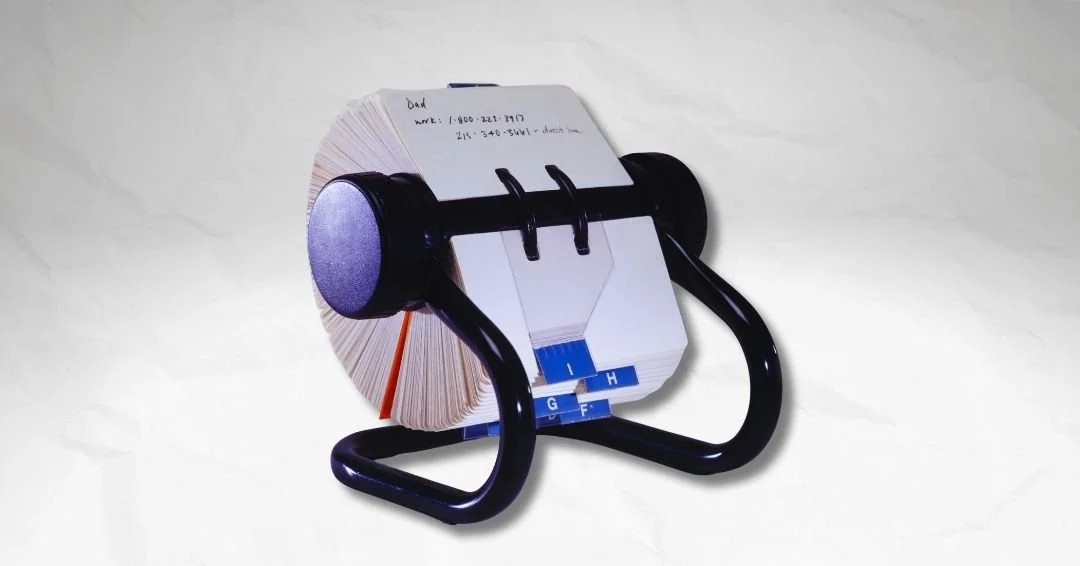
The Rolodex and the Quantification of Connection
Arnold Neustadter patented the Rolodex in 1956, a rotating card file that held business contacts on a desktop spindle in alphabetical order.
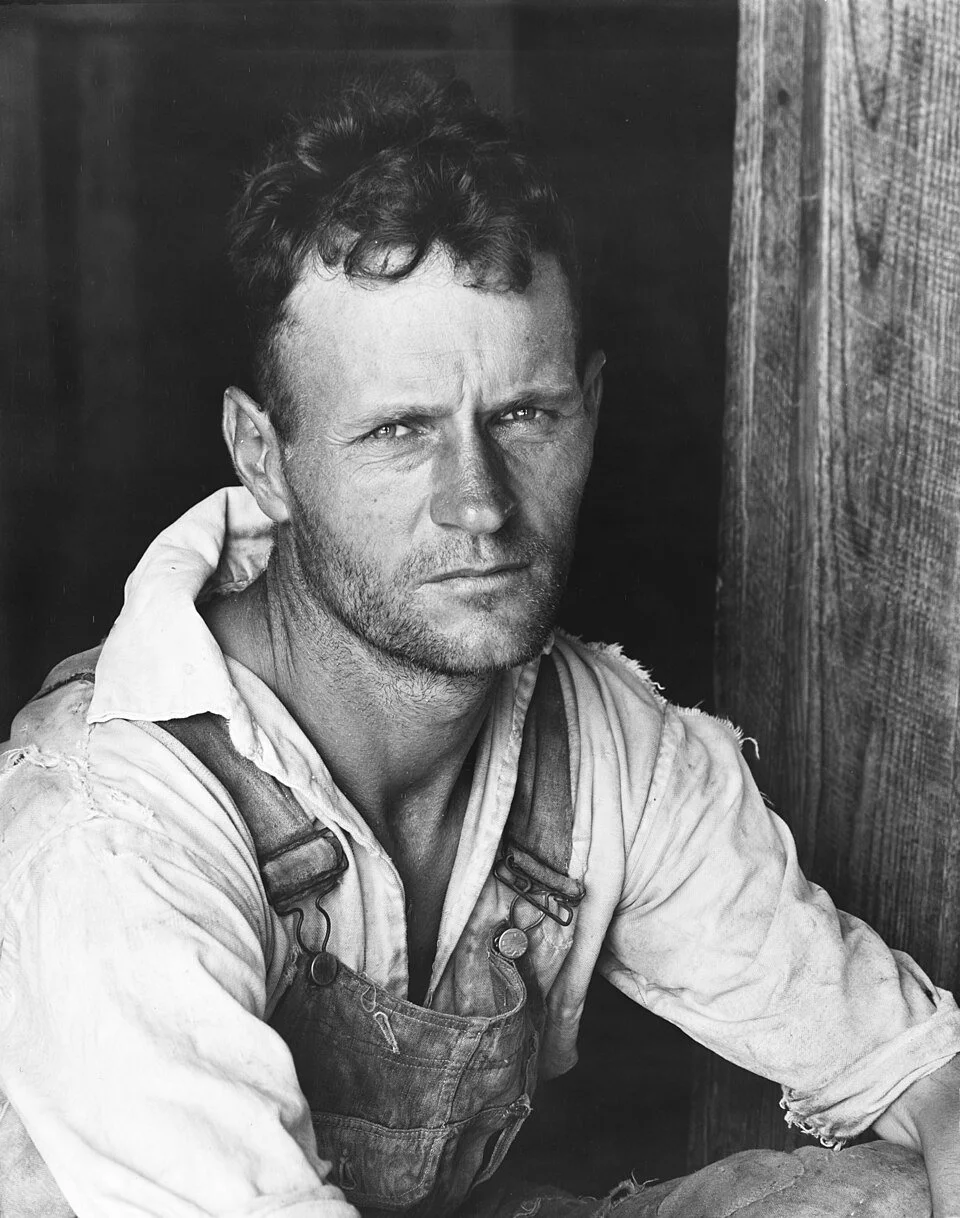
The Uniform of Belonging Beyond Blue and White: The Persistent Language of Work Clothes
In the 1880s, a factory worker couldn't walk into a restaurant that served clerks. Not because of any rule posted on the door. Because of what he was wearing.
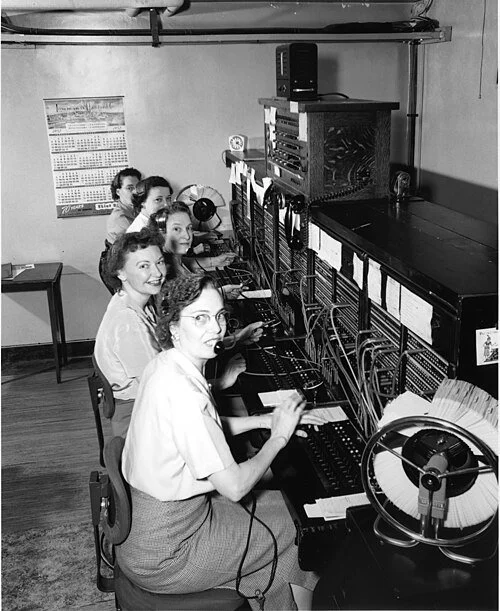
The Switchboard and the Illusion of Connection
In 1878, every telephone call required an operator who could hear your conversation, delay your connection, or refuse to patch you through. The telephone didn't create direct communication. It created a permission structure.
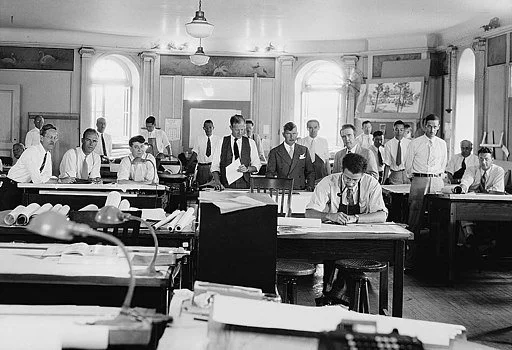
The Open Office 1.0 and the Illusion of Together
In the 1900s, German managers removed office walls to increase collaboration. They called it office landscaping. What they actually built was a surveillance system disguised as teamwork. We're still using the same blueprint today.