
The No Criticism Rule of the Padded Room
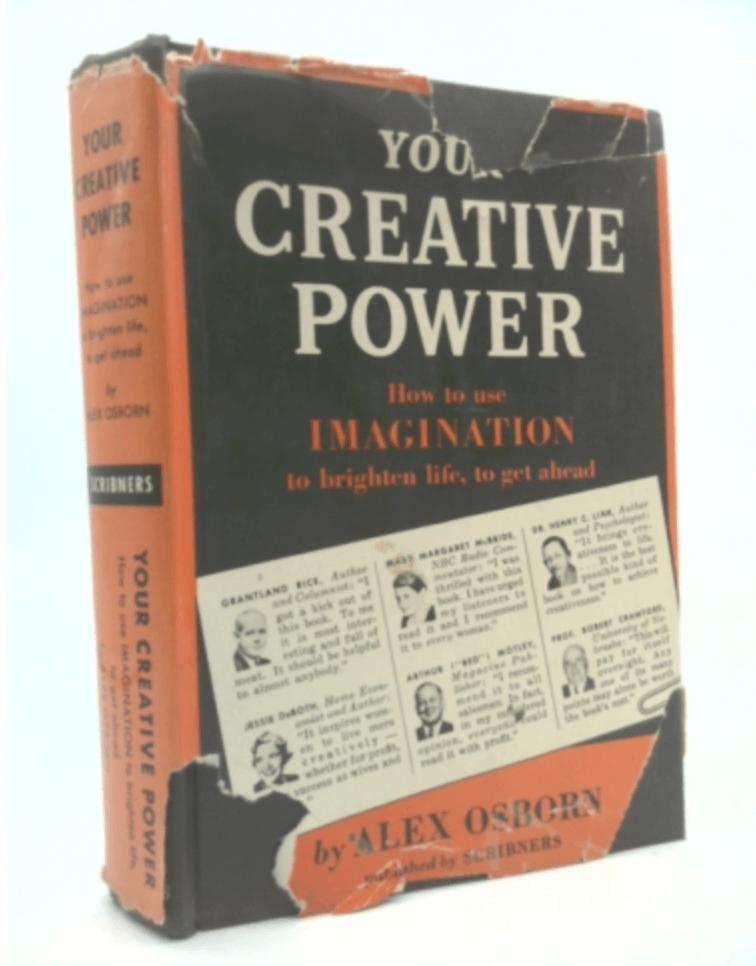
Title: Your Creative Power: How to Use Imagination
Author: alex osborn
Publisher: Scribner
Format:Hardcover
Asin:B000FNFS2M
Release Date:January 1949
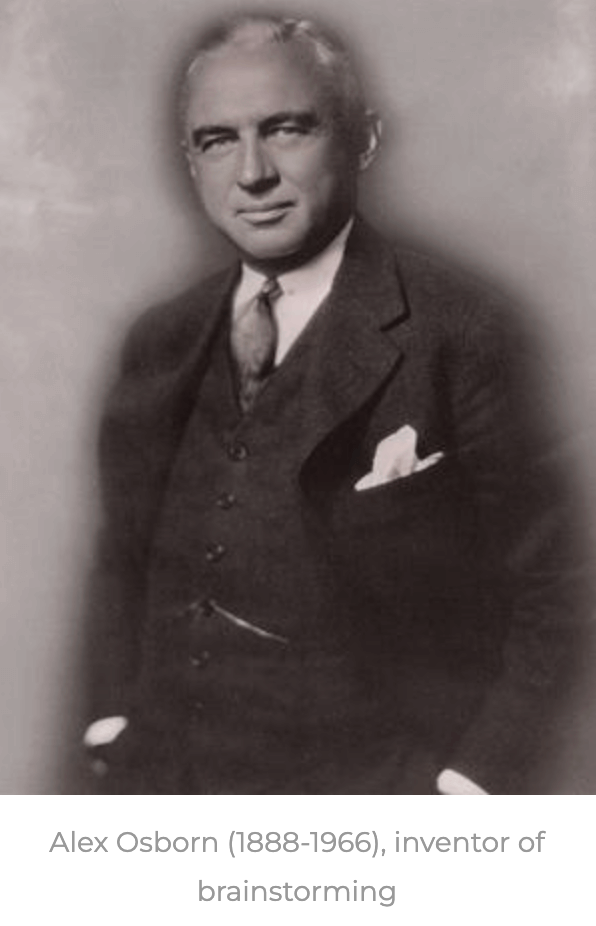
In 1939, a man named Alex Osborn decided that your ideas were too fragile to survive a meeting. Osborn was an advertising executive who noticed that his staff meetings were where creativity went to die. He watched as one person would share a thought, only to have three others immediately explain why it was expensive, impossible, or stupid. He called this "judicial thinking." To stop it, he invented brainstorming. His primary rule was simple and radical: criticism is forbidden. He believed that if you removed the fear of judgment, the human mind would become a faucet of pure innovation.
This change was born out of desperation. The Great Depression was ending, and the world was sliding toward war. Businesses needed high-speed solutions to stay relevant. Before Osborn, the workplace was a rigid hierarchy. The boss spoke, and the workers executed. If you had an idea, you kept it to yourself unless it was perfect. The risk of looking foolish was a career-ending threat. Osborn’s "No Criticism" rule was the first major attempt to democratize the office. It turned the conference room into a laboratory where volume mattered more than quality.
Before and After: The Shift in Output
To understand the impact, look at how the actual job of a "Creative Associate" changed between 1930 and 1945.
The 1930 Idea Clerk (Before)
Primary Task: Drafting finalized proposals for executive review.
Workflow: Work in isolation. Vet every thought against company policy before speaking. Only present ideas that have a 90% chance of approval.
Goal: Avoid error and maintain the status quo.
The 1940 Brainstormer (After)
Primary Task: Rapid-fire ideation within a group setting.
Workflow: Contribute "wild" ideas without self-censorship. Build on the suggestions of others (the "Yes, and" method).
Goal: Hit a high quantity of ideas to find the one "gem" hidden in the pile.
The necessity of this shift was clear. The complexity of the modern world was outpacing the ability of a single manager to have all the answers. Collaboration became the new fuel for the industrial engine. However, this transition created a new type of friction that we still feel today.
The Modern Absurdity of the "Safe Space"
Today, we have taken Osborn’s rule and turned it into a mandatory performance. We sit in glass-walled rooms with colorful sticky notes, pretending that every idea is a good one. We have entered an era of "Toxic Positivity" where the fear of offending a coworker has replaced the fear of the boss.
In modern management, we often mistake a lack of criticism for a presence of safety. But they are not the same thing. In 1939, the rule was meant to spark momentum. In 2026, it often leads to "groupthink" where nobody wants to be the person who points out that the ship is sinking. We spend hours in "blue sky" sessions while our actual projects are drowning in the mud of reality. We have used Osborn's gift as a way to avoid the discomfort of honest, steady truth-telling.
Mapping the Together™ Pathway
In Leadership Cartography, this history sits squarely in the Together™ Pathway. Osborn was trying to map the Team Dynamics Map, but he only drew the "Sunny Days" version. He focused on the connection between people while ignoring the internal pressure of the individual.
True leadership mapping requires you to look at collaboration. When a team is "brainstorming" but nothing is getting done, the signal isn't that they need more ideas. The signal is that they lack the steadiness to handle healthy friction.
If you are a manager who feels like your meetings are a waste of time, you are likely stuck in a loop of performative collaboration. You are following a rule from 1939 that was meant to open doors, but you’ve used it to build a padded room. To move forward, you have to stop managing the "vibe" and start mapping the actual movement of work.
If your team's "no criticism" rule has made it impossible to say "no" to a bad idea, have you actually built a creative space, or just a system where no one is responsible for the outcome?

Stop Managing the Vibe
You cannot lead a team by simply removing the "No." True collaboration requires the steadiness to hear a "Maybe" and the clarity to define a "Yes." It is time to move past the sticky notes and find your place on the map.
Find your steady next move below:
Tier 1: Discovery Not sure why your collaborative sessions leave you feeling more scattered instead of steady? Take the Leadership Style Quiz to see how your map is currently drawn.
Tier 2: Tactical If the system has stopped holding its own shape, explore the Team Dynamics Map. This isn't about personality styles or who is difficult. It is a guide to the invisible operating rules of the group, showing you where responsibility has blurred and why you are stuck compensating for a system that isn't providing a clear trail.
Tier 3: Subscription Need a permanent place to store your insights? Join The Map Drawer for a standing library of leadership maps you can return to whenever the terrain shifts. Use these tools to move from managing individuals to navigating the systemic pressure of your team.