


The Manager's Compass
Name what's happening.
Choose your route.
Every management challenge is a terrain condition — not a personal failure.
The Manager's Compass maps the friction you're navigating and gives you the Terrain Survey to locate where you actually are. Each post names what the system is doing, what it signals, and one clear move forward.
Find your source map first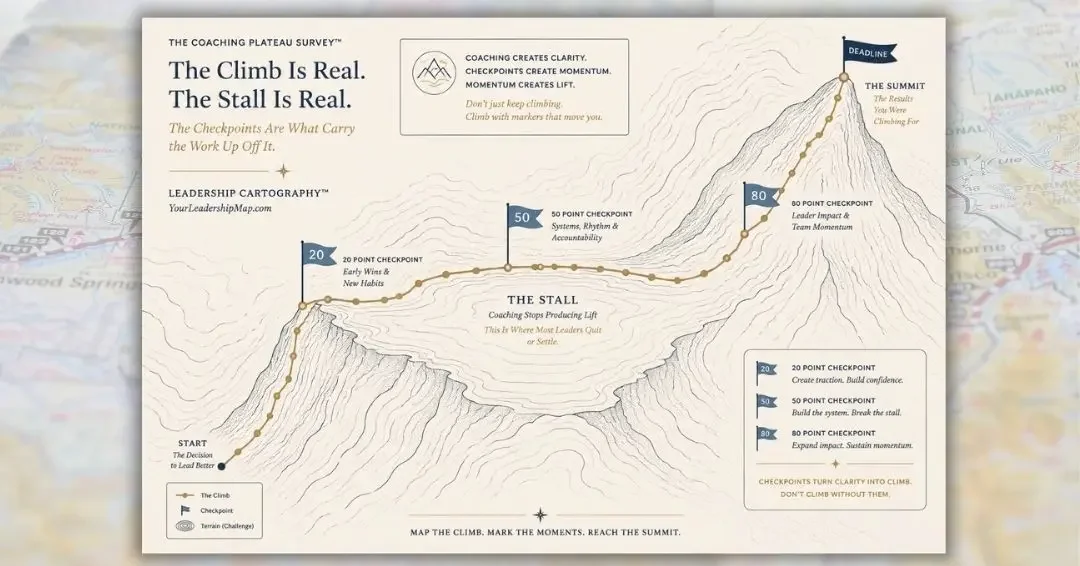
How to Handle Underperformance When Coaching Isn't Working
You have had the conversations. The person understands, agrees, commits, and the work still comes in late. Here is how to read what coaching cannot fix, and where the real relief lives.
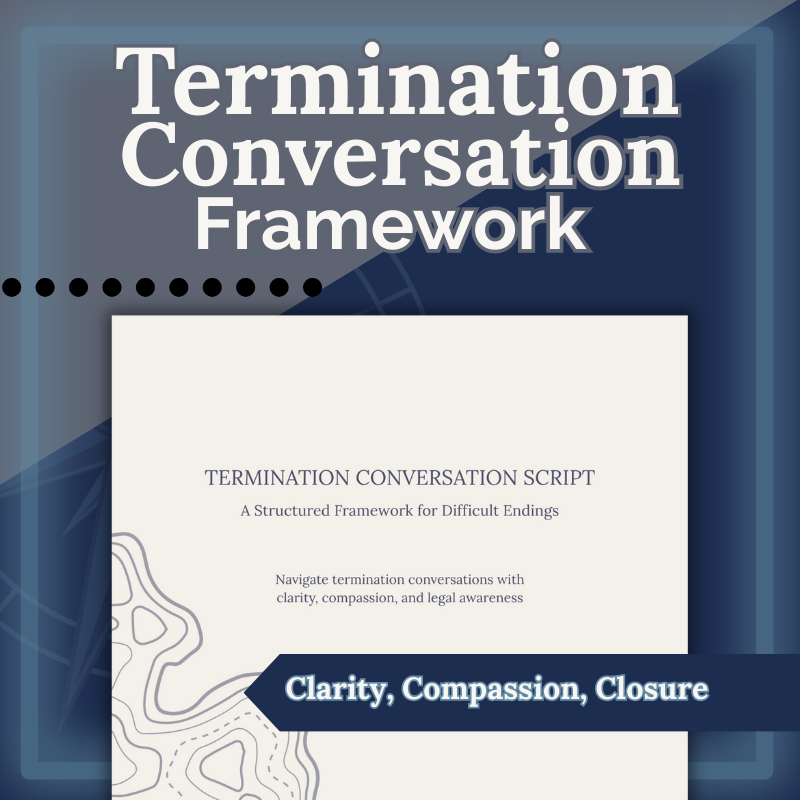
How to Fire Someone: The Step-by-Step Guide for Managers
Termination conversations are one of the hardest responsibilities of management. Most managers delay, over-explain, or let guilt turn a necessary conversation into something cruel. The problem isn't that you care—it's that no one taught you how to do this with clarity. Here's your step-by-step guide to conducting termination conversations that preserve dignity for everyone involved.

How to Develop Employees Who Actually Grow: 5 Principles Rooted in Clarity, Care, and Reality
You hired someone brilliant. Six months later, they're struggling, and you can't figure out what went wrong. The problem isn't always their potential—sometimes it's that we're developing the wrong skills, ignoring crucial signals, or mistaking good intentions for actual readiness. Here's your framework for developing employees with clarity, care, and a clear-eyed view of reality.

The Performance Review Playbook: How to Build Trust and Drive Growth in 60 Minutes
The calendar reminder appears: "Performance review with Sarah - Thursday, 3pm." Your stomach tightens—not because Sarah isn't performing well, but because you know how these conversations usually go. Stilted, formal, both of you counting minutes until it's over. But performance reviews can be different. They can become conversations your team actually looks forward to—moments that build trust instead of anxiety, clarity instead of confusion. The difference lies not in what you discuss, but in how you structure the conversation itself.