


The History of Work
Every management theory
on this shelf was invented
to solve someone else's problem.
In someone else's century.
We are still using them. The org chart, the performance review, the chain of command — all of it designed for a world that no longer exists. The History of Work traces where these ideas came from, what problems they were actually built to solve, and why applying them today produces exactly the friction you keep running into.
The map was never drawn for you in the first place.
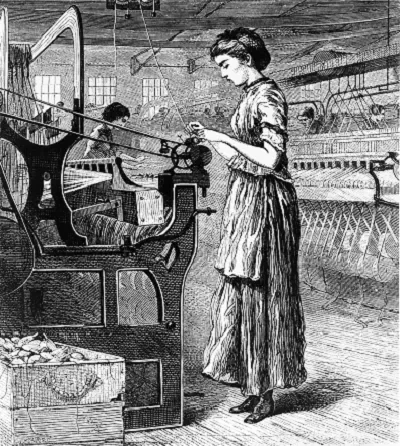
The Mill Girls Who Walked Out First
The Lowell mills were designed as a "moral experiment" of total control. But when owners cut wages, 800 women proved that workers didn't need formal organization—they just needed each other.

The Street Lamp and the Infrastructure of Safety
In the early 19th century, the "system" of the city was broken for twelve hours a day. The Lamplighter became the human interface for the infrastructure of safety.
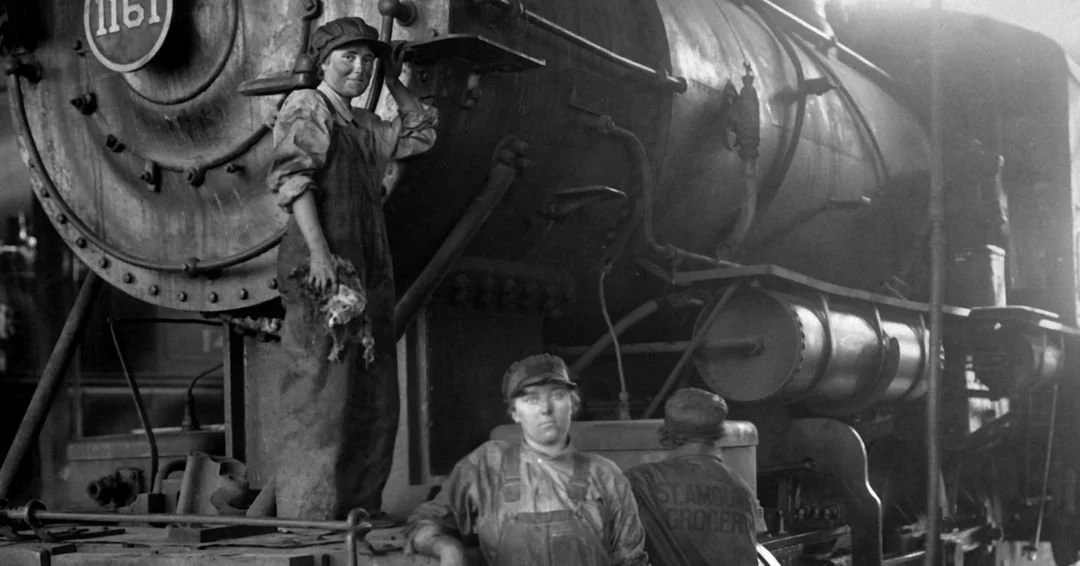
The Stopwatch and the Math of Human Motion
Discover how Frederick Winslow Taylor turned human movement into a math problem and why modern managers still use his Precision signals to track performance.
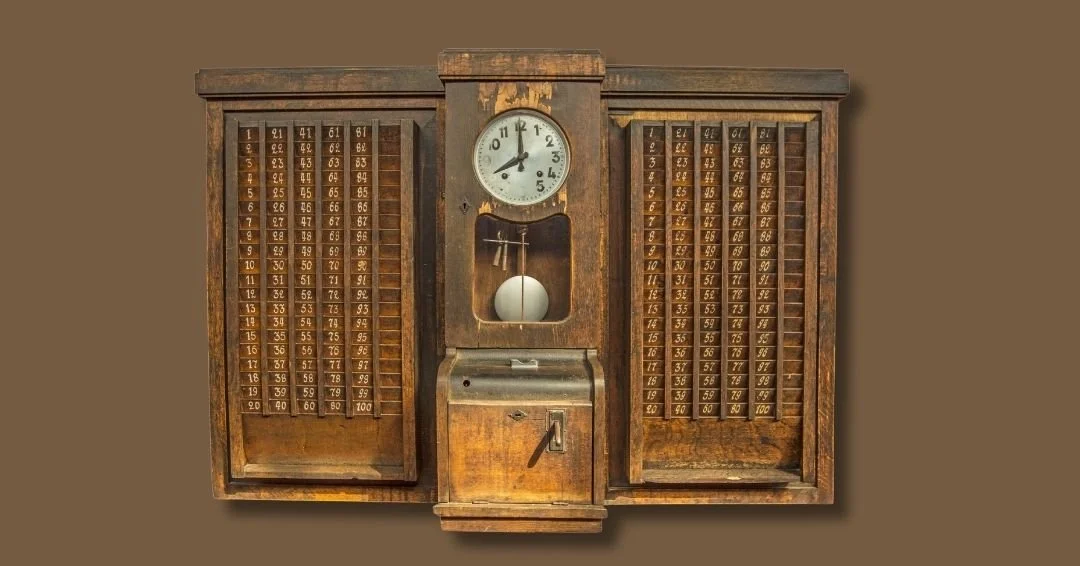
The Time Clock and the Automation of Trust
In the 1880s, the system faced a crisis of accountability. The Bundy Time Recorder was born to replace the biased human Watch Keeper with a cold, objective machine.