


The History of Work
Every management theory
on this shelf was invented
to solve someone else's problem.
In someone else's century.
We are still using them. The org chart, the performance review, the chain of command — all of it designed for a world that no longer exists. The History of Work traces where these ideas came from, what problems they were actually built to solve, and why applying them today produces exactly the friction you keep running into.
The map was never drawn for you in the first place.

The Paymaster’s Secret: Why Your Salary History is a 100-Year-Old Trap
In 1919, the staff at Vanity Fair was handed a memorandum that would feel like a threat to the modern manager. It forbade employees from discussing their salaries. In response, writers like Robert Benchley and Dorothy Parker didn't just complain; they walked into the office with their salaries written on signs hanging from their necks.
The First Question: A Map for the Human Element
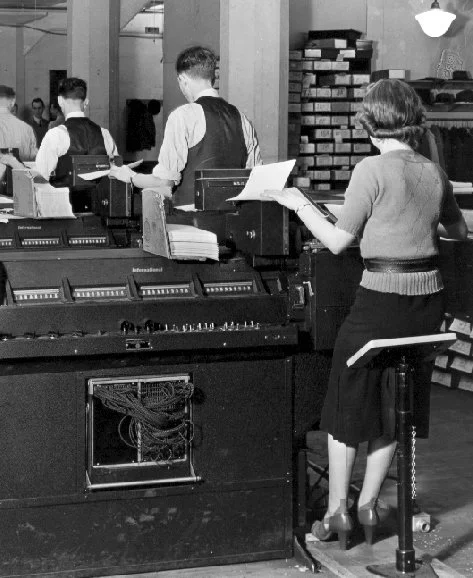
In 1930, the factory floor was a place of silence, and the worker was simply a gear in a machine. But when the "human element" became unpredictable during the Great Depression, management did something radical: they asked how employees felt. This was the birth of the employee survey, a tool originally designed to turn human resentment into a statistical average. Today, we still use these forms to calibrate the system, but true leadership requires shifting from measuring engagement to mapping safety.
Keeping Saint Monday – The Original Sunday Scaries
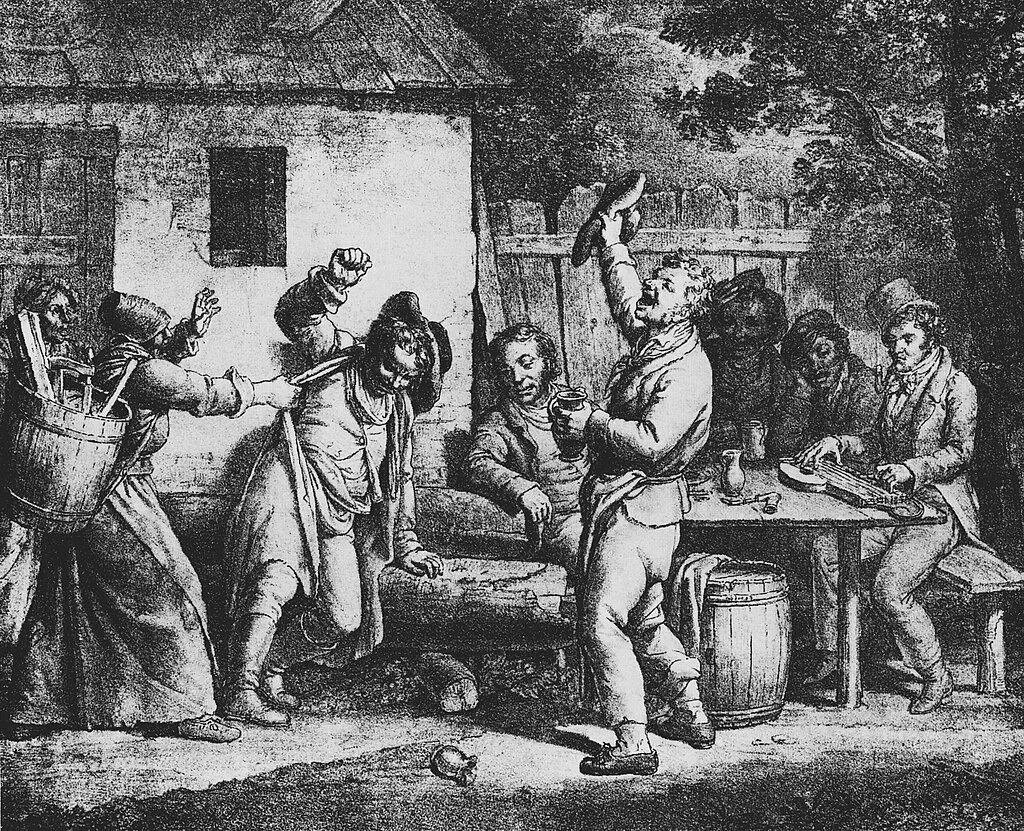
Before the two-day weekend existed, workers staged a silent rebellion called "Saint Monday." Discover how the "Knock-Up Man" was hired to police the human heart and why the modern "Sunday Scaries" are a signal that your biology is still revolting against the machine.