


The History of Work
Every management theory
on this shelf was invented
to solve someone else's problem.
In someone else's century.
We are still using them. The org chart, the performance review, the chain of command — all of it designed for a world that no longer exists. The History of Work traces where these ideas came from, what problems they were actually built to solve, and why applying them today produces exactly the friction you keep running into.
The map was never drawn for you in the first place.
History of Vacation Time: When Rest Became Work Policy
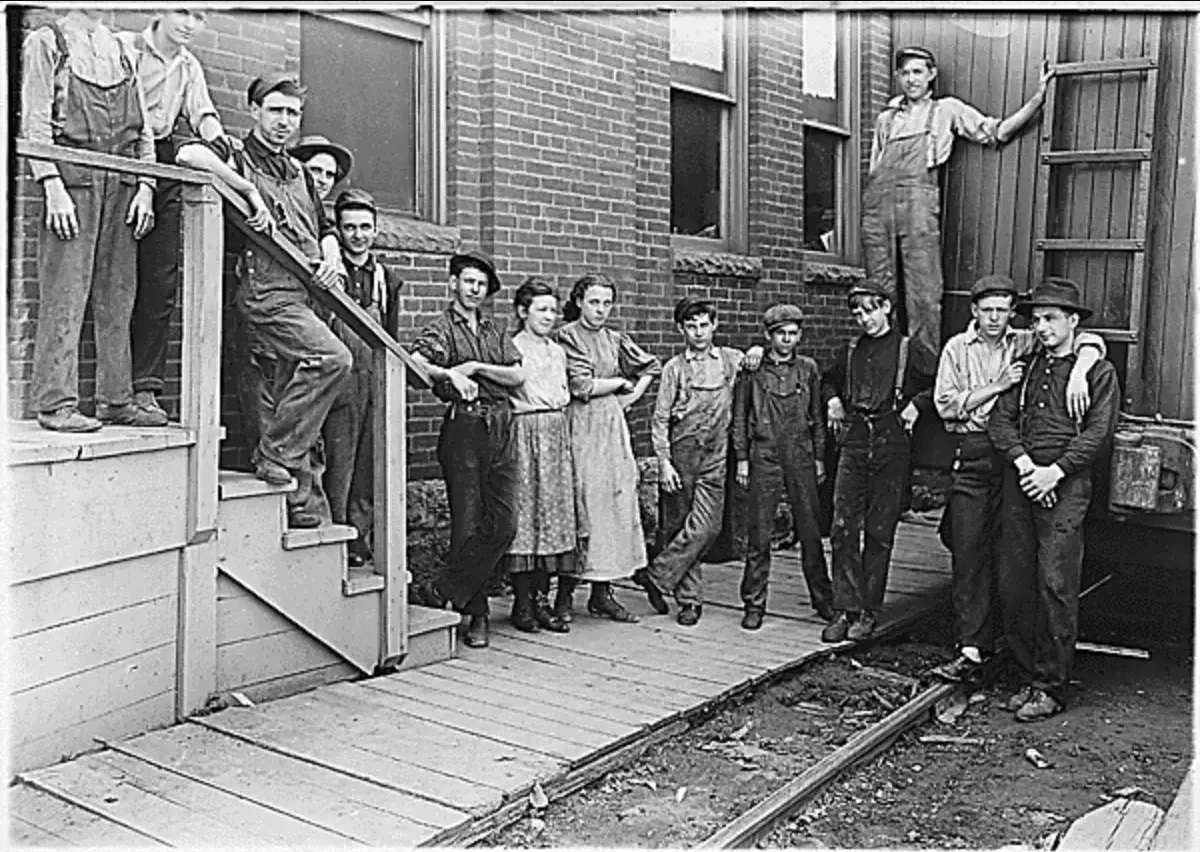
When vacation time spread in the early twentieth century, it did not arrive as a simple act of care. Employers learned to justify rest once exhaustion started damaging output, stability, and retention. That older logic still shapes modern leadership, especially for managers who protect recovery for everyone else while treating their own as negotiable.
The Company Town and the Architecture of Total Provision
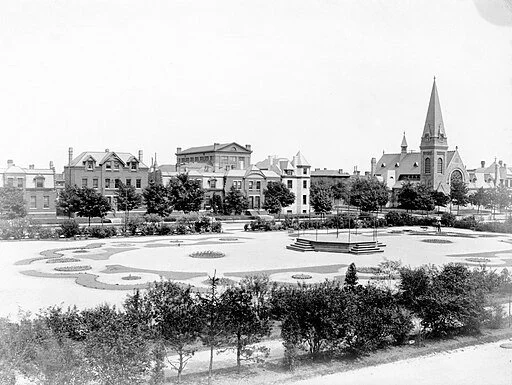
In 1880, George Pullman built an entire town for his workers. Decades later, Gilchrist, Oregon, was founded in 1938 and operated as a company town until 1991. In these places, the employer was also the landlord, the grocer, and the teacher.
The First Question: A Map for the Human Element
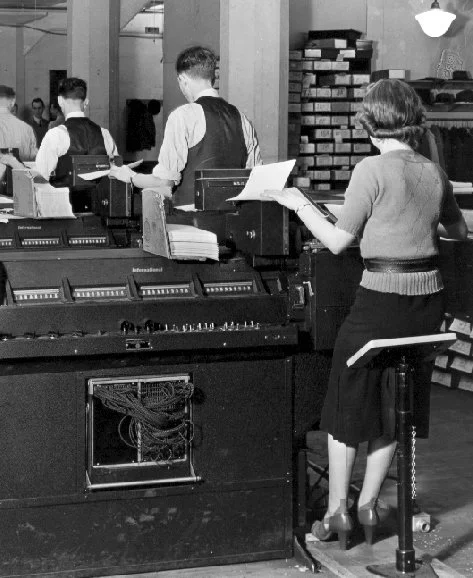
In 1930, the factory floor was a place of silence, and the worker was simply a gear in a machine. But when the "human element" became unpredictable during the Great Depression, management did something radical: they asked how employees felt. This was the birth of the employee survey, a tool originally designed to turn human resentment into a statistical average. Today, we still use these forms to calibrate the system, but true leadership requires shifting from measuring engagement to mapping safety.